Tel Beer Sheva National Park – A Fascinating Journey into Biblical Times in the Negev
Tel Beer Sheva National Park is not just an archaeological site; it is a profound journey back to the dawn of history. Designated as a UNESCO World Heritage Site in 2005, this ancient mound (Tel) represents one of the most significant biblical-era cities in Israel. Located at the strategic meeting point of the Hebron and Be'er Sheva streams, the park offers visitors a rare glimpse into the sophisticated urban planning of the Kingdom of Judah. Whether you are a history buff, a spiritual seeker, or a family looking for an educational desert adventure, Tel Beer Sheva National Park provides an immersive experience that brings the stories of the Bible to life against the stunning backdrop of the northern Negev landscape.
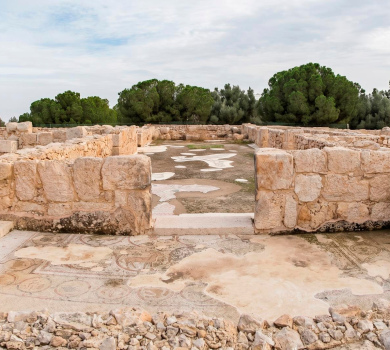
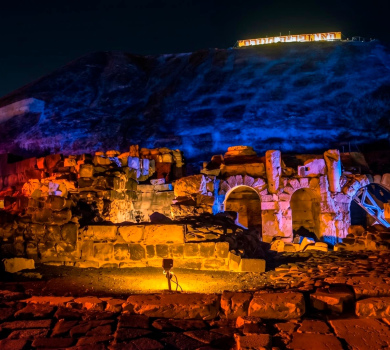
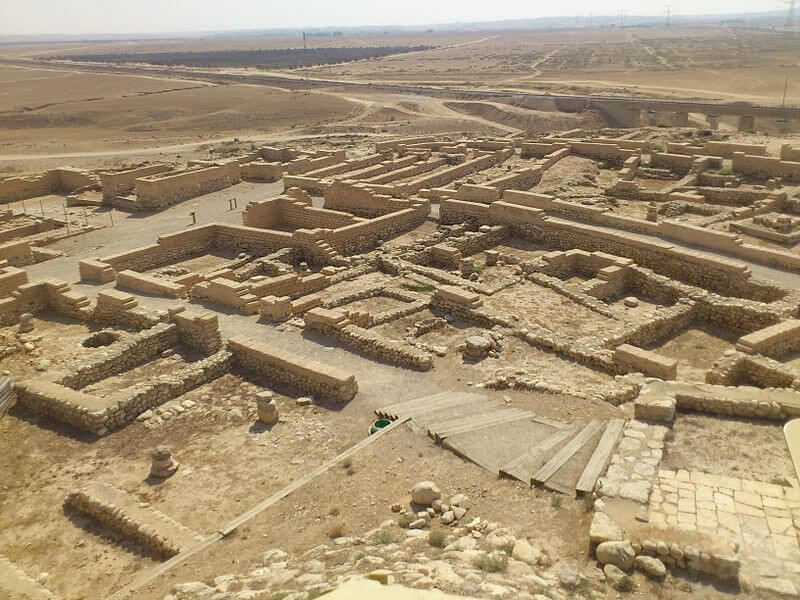
The site is uniquely preserved, showcasing the remains of a meticulously planned city from the 8th century BCE. Unlike many other ancient ruins, Tel Beer Sheva National Park reveals a circular street layout, advanced drainage systems, and public buildings that highlight the administrative importance of this southern gateway. As you walk through the reconstructed gates, you step into the same atmosphere that once greeted the patriarchs and ancient Judean officials.
Main Points of Interest at the Site:
- The Reconstructed Horned Altar – One of the most iconic finds at Tel Beer Sheva National Park is the large stone altar with four "horns" at its corners. While the original is preserved at the Israel Museum, the high-quality restoration at the entrance helps visitors understand the ancient sacrificial rituals. Interestingly, archaeologists believe the altar was dismantled during the religious reforms of King Hezekiah, symbolizing a major shift in Judean worship.
- The Extraordinary Ancient Water System – A true engineering marvel of the Iron Age. Visitors can descend into a deep shaft that leads to an enormous underground reservoir carved directly into the rock. This system was designed to ensure the city's survival during long desert droughts and enemy sieges, holding up to 700 cubic meters of floodwater channeled from the nearby stream.
- The Deep Well (Abraham’s Well) – Located just outside the city gates, this is one of the deepest wells in the country, reaching approximately 69 meters. Many scholars associate this location with the biblical accounts of Abraham and Isaac, who dug wells and made covenants in this very region, giving Be'er Sheva its name ("Well of the Oath" or "Well of the Seven").
- The Pillared Storehouses – These impressive structures near the gate were used to store taxes collected in the form of grain, oil, and wine. The layout reflects the city's role as a major logistical hub for the Kingdom of Judah.
- The Governor’s Palace and Four-Room Houses – Explore the ruins of the local ruler's residence and the classic "Israelite houses." The elevated position of the palace provided a commanding view of the entire valley, ensuring the security of the southern border.
Historical and Archaeological Background:
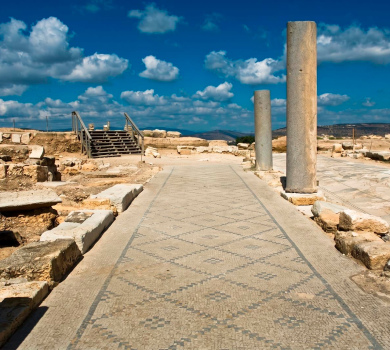
The history of Tel Beer Sheva National Park spans millennia, though its most prosperous era was during the Iron Age (9th–8th centuries BCE). The city served as the administrative center for the southern Negev under the Judean kings. Archaeological excavations have revealed that the city was destroyed in 701 BCE during the brutal campaign of the Assyrian King Sennacherib. However, the site’s strategic value didn't end there; later layers show Hellenistic temples, Roman fortresses, and even Byzantine dwellings. For those exploring the history of the Land of Israel, Tel Beer Sheva National Park serves as a chronological anchor, connecting the nomadic lives of the Patriarchs to the organized military and civic power of the Judean monarchy.
The architectural precision found here is remarkable. The city was designed with a "casemate wall" (a double wall with rooms inside), which acted as both a defensive fortification and living quarters or storage space. This level of urban foresight is why Tel Beer Sheva National Park is studied by researchers worldwide as a prime example of planned biblical cities.
Geography, Hydrology, and Desert Nature:
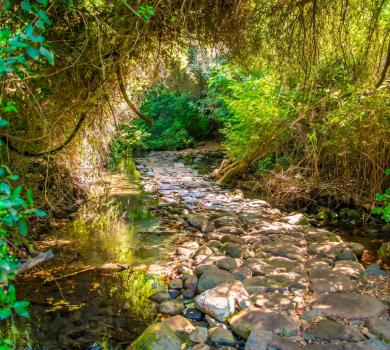
Situated in the arid northern Negev, the survival of Tel Beer Sheva National Park depended entirely on its proximity to the Be'er Sheva and Hebron streams. The tel sits on a natural hill, providing a 360-degree observation point over the vast plains. From the modern observation tower on-site, you can see the contrast between the ancient ruins, the sprawling modern city of Be'er Sheva, and the traditional Bedouin settlements in the area. The hydrology of the site is a testament to ancient wisdom—capturing rare flash floods in a desert environment required precise knowledge of the landscape, making the water system at Tel Beer Sheva National Park a highlight for any visitor interested in ancient technology.
How to Get There:
- From Be'er Sheva: The park is located just a few minutes' drive from the city center. Follow Route 60 towards the town of Omer, then follow the brown tourist signs leading east toward Tel Sheva and the Tel Beer Sheva National Park entrance.
- From Tel Aviv and Central Israel: Drive south via Highway 6 or Highway 40. Transition to Route 60 near Be'er Sheva and follow the clear signage. The journey typically takes about 1 hour and 15 minutes.
- Public Transport: Buses run frequently to Be'er Sheva, from where local lines or a short taxi ride can take you directly to the national park gates.
Who is This Visit Suitable For?
- History and Archaeology Lovers: The UNESCO status and professional excavations make it a top-tier destination for those seeking authentic historical depth.
- Families and Educational Groups: The site is well-marked with explanatory signs, and the descent into the water system is always a hit with children and students.
- Photographers and Nature Seekers: The desert light, especially during "golden hour," creates stunning shadows on the ancient stones, perfect for capturing the essence of the Negev.
- Spiritual Travelers: Walking where the Patriarchs once walked offers a unique emotional connection to the biblical text.
Opening Hours and Practical Tips:
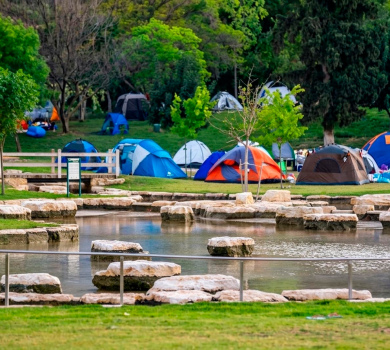
The park is managed by the Israel Nature and Parks Authority. While it is open year-round, it is highly recommended to visit during the morning or late afternoon during summer months to avoid the intense desert heat. Entry typically requires a pre-booked slot via the official website to ensure a comfortable experience. Make sure to wear sturdy walking shoes for the uneven archaeological paths and bring plenty of water. There is a shaded picnic area and a small shop at the entrance for refreshments.
Plan Your Visit:
A tour of Tel Beer Sheva National Park usually takes about 1.5 to 2 hours. To make the most of your trip to the south, we recommend combining your visit with a stop at the Abraham’s Well International Visitor Center in modern Be'er Sheva or exploring the nearby Mamshit National Park to see Nabatean ruins. Tel Beer Sheva National Park remains a cornerstone of Israeli heritage, offering a silent but powerful testimony to the resilience and ingenuity of the people who inhabited this desert thousands of years ago.







_840x0_bdc.webp "Tel Beer Sheva National Park Interesting Places in the South")
_840x0_bdc.webp "Tel Beer Sheva National Park Interesting Places in the South")
_840x0_bdc.webp "Tel Beer Sheva National Park Interesting Places in the South")



_840x0_bdc.webp "Tel Beer Sheva National Park Interesting Places in the South")
_840x0_bdc.webp "Tel Beer Sheva National Park Interesting Places in the South")
_840x0_bdc.webp "Tel Beer Sheva National Park Interesting Places in the South")
_840x0_bdc.webp "Tel Beer Sheva National Park Interesting Places in the South")
_840x0_bdc.webp "Tel Beer Sheva National Park Interesting Places in the South")
_840x0_bdc.webp "Tel Beer Sheva National Park Interesting Places in the South")


_840x0_bdc.webp "Tel Beer Sheva National Park Interesting Places in the South")
_840x0_bdc.webp "Tel Beer Sheva National Park Interesting Places in the South")
_840x0_bdc.webp "Tel Beer Sheva National Park Interesting Places in the South")