At a glance
What awaits you
Visit duration
30min
Short accessible trail; excludes the hidden reserve and swimming
Source and itineraryDifficulty
Not yet provided
Route length
Not yet provided
Who is it for
Popular visiting hours
Verified busyness data is not available yet
Best time to visit
JanFebMarAprMayJunJulAugSepOctNovDec
BestGoodHot
7-day forecast
Forecast loads when this section is viewed
About this place
Einot Tzukim Nature Reserve (Ein Feshkha)
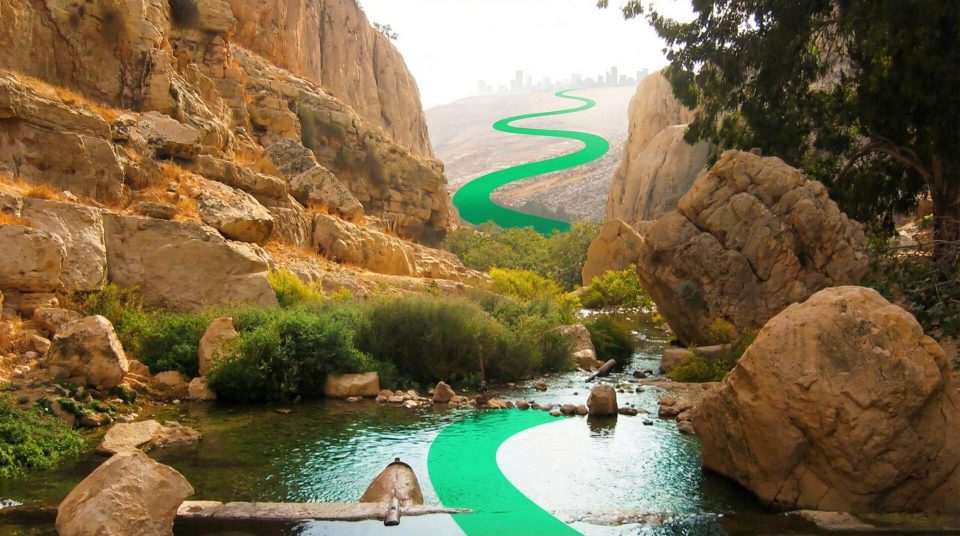
Reeds rustle below the pale cliffs of the Judean Desert, and water moves through the dense vegetation. This is Einot Tzukim, also known as Ein Feshkha, a belt of springs beside the northwestern Dead Sea shore. The interest lies in the contrasts: dry stone slopes, brackish channels and thick waterside growth within a short distance of each other. The pools in the public area offer an introduction to the oasis. Its wider story concerns the water that sustains life along the desert’s edge.
Springs below the cliffs
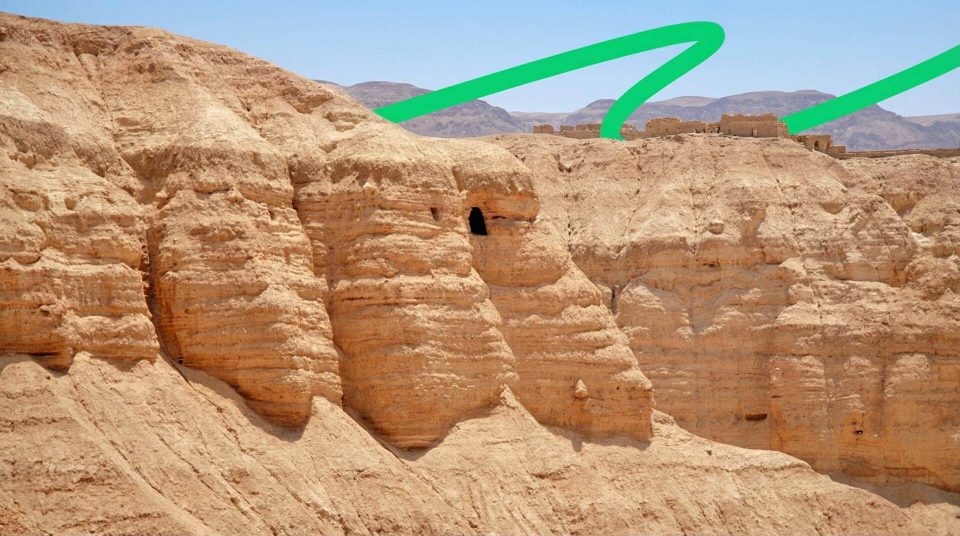
Einot Tzukim Nature Reserve lies south of Qumran, between the cliffs of the desert plateau and the Dead Sea shore in the West Bank. The two sites look close on a map but feel quite different on the ground. At Qumran, walls and dry channels draw the eye; at Ein Feshkha, vegetation gathers around the springs. Einot Tzukim means “cliff springs”, a fitting description of the meeting of water and rock. A location beside the Dead Sea does not mean the reserve provides a bathing entrance to the sea. Its pools are fed by their own springs and form a different aquatic environment. When planning the approach, identify the reserve’s actual entrance rather than a nearby beach or an arbitrary point on the shoreline. The green strip is a destination in its own right.
Three parts of one oasis
1
The public visitor area
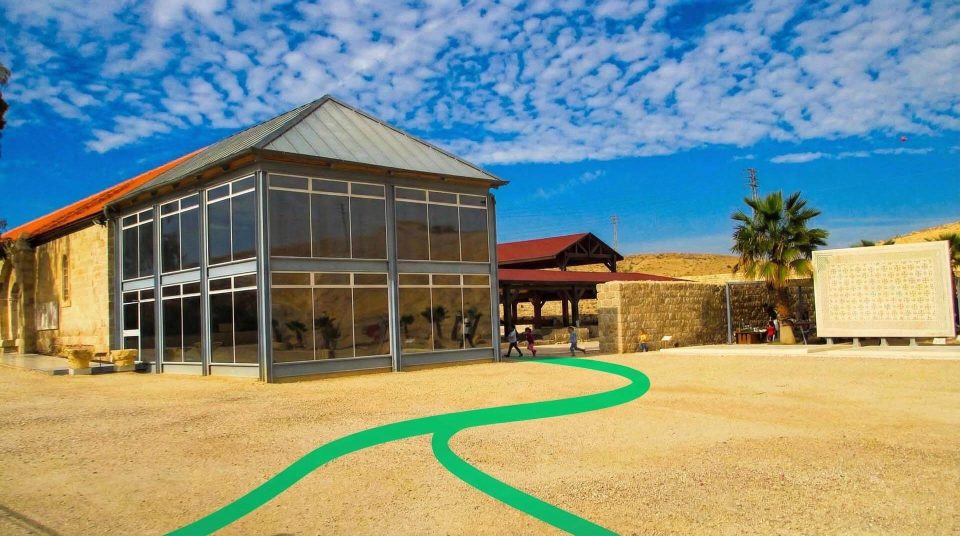
The central section introduces the spring water through recreation pools and green surroundings. Here the contrast between reeds and bare cliffs is easy to see. It is a straightforward first visit for a group wanting to explore the oasis without a long desert walk. Use of any particular pool remains subject to the rules on site.
2
The Hidden Reserve
The southern section preserves a more secluded wetland environment. Visits require organised accompaniment rather than unrestricted access along any path. A guided introduction can explain the channels, vegetation and conservation arrangements. The name does not refer to an additional open attraction that visitors may simply enter after using the pools.
3
The closed conservation area
The northern section is set aside for habitat protection and scientific work. It cannot be added to an independent walk. Zoning preserves places where visitor traffic has less influence on wildlife and water conditions. From the permitted area, you can already appreciate how strongly dense vegetation transforms this desert shoreline.
Brackish water and a green shoreline
The springs at Ein Feshkha are brackish. Their proximity to the Dead Sea can lead to an easy misconception that all the water here has the same properties. The spring-fed pools and the sea differ in salinity, the organisms they support and the ways people may use them. The less saline spring water allows plants and fish to live beside an intensely saline lake. Look particularly at transitions within the oasis. One channel may have dense growth along its banks, another patch opens into visible water, and a short distance further on the ground is dry again. That pattern reveals how life depends on small differences in moisture. Take time to follow those changes from a permitted path rather than treating every patch of green as identical. Natural spring water should not replace the drinking water you bring with you.
Life beneath the water’s surface
The spring pools support protected populations of small fish adapted to the local water conditions. Accounts of conservation work mention killifish and tilapia, and purpose-built pools have been created to help preserve them. Describing the reserve simply as the home of an endemic fish found nowhere else would miss important distinctions. Its conservation value includes the combination of neighbouring fish populations as well as the survival of their habitats. For visitors, watching movement along the water’s edge and in the channels is more useful than trying to catch a fish to identify it. Do not feed the animals or move them between pools. Even a small backwater is part of a connected system, where changes in water and vegetation can affect adjacent areas. The links between those small habitats are central to the oasis.
Birds between the reeds and the desert
Ein Feshkha is recognised by BirdLife International as an Important Bird Area. Reference accounts identify the Dead Sea sparrow and griffon vulture among its significant species. These birds use the landscape differently: dense waterside growth, open ground and cliffs provide different opportunities for feeding and shelter. Begin by deciding where to look. You might watch quietly along the reed margins or scan the high sky above the escarpment. Binoculars make it easier to see detail while keeping your distance from wildlife. A species’ inclusion in an ornithological list does not mean it can be seen beside a visitor pool every day. Comparing the movement of birds near the water with the apparently still rock behind them is part of the interest. Patient observation is more productive than expecting a particular sighting.
An ancient estate beside the springs
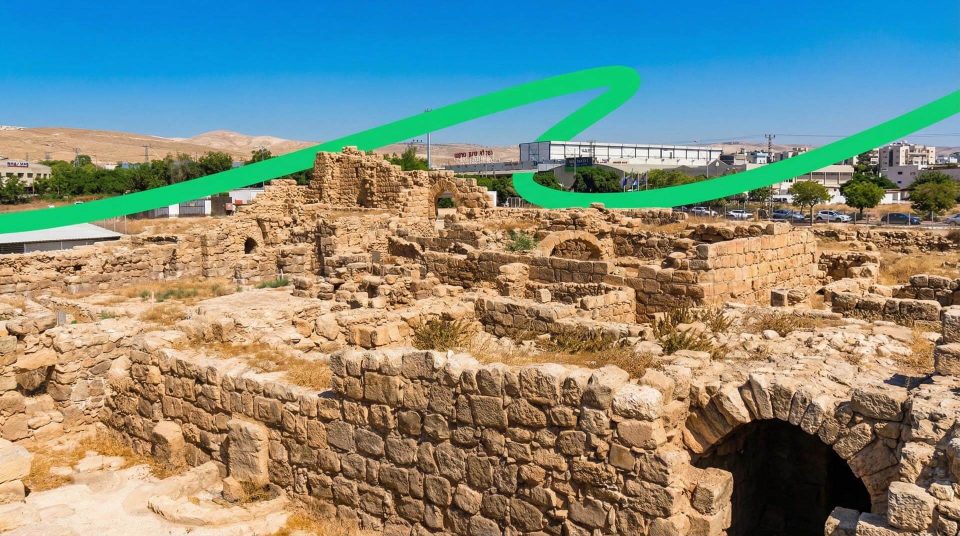
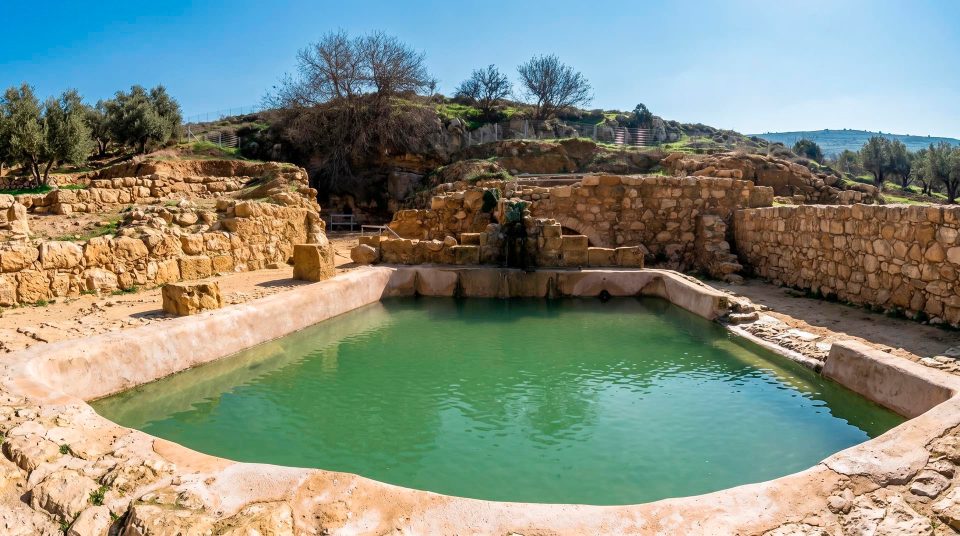
The archaeological site at Ein Feshkha adds a history of human water use to the natural landscape. Excavations investigated a courtyard building and working installations, including plastered basins and water channels. The complex existed during the same broad period as the settlement at Qumran, but their relationship and the purposes of individual installations remain subjects of scholarly discussion. Various functions have been proposed for the basins, including processing raw materials, making dye and processing dates. Presenting any one of these as a proven ancient factory would give a misleading impression of certainty. More securely, the surviving features show how the system worked: a channel delivered water, which was directed into specially prepared containers and held there. Looking at that physical sequence allows visitors to understand the installations without settling debates about what was made in them.
How Ein Feshkha was investigated
- 1838
Edward Robinson described the spring and nearby building remains. His observations show that the water and ancient structures attracted travellers long before the modern nature reserve was established.
- 1900
R. A. Stewart Macalister selected a shoreline rock as a reference point for the Dead Sea’s level. A line and the initials PEF were cut into it. Repeated measurements made the mark an enduring reference in the history of research into the lake.
- 1956 and 1958
Roland de Vaux excavated Ein Feshkha. The investigation of its working complex formed part of the wider archaeological study of the Qumran area.
- 2001
Yizhar Hirschfeld continued the archaeological investigations. The work examined ancient buildings and the remains of a tower on the slope west of the springs.
Reading the changing shore through its traces
The story of the Palestine Exploration Fund’s reference mark offers another way to understand the area. A rock selected for monitoring the water level links the present shoreline to measurements made at the beginning of the twentieth century. A historic measuring point, however, is different from a visitor viewpoint. Do not attempt an independent descent to the stone or treat it as an essential stop. For a first visit, notice the distances between the green belt of springs, the dry ground and the sea. The coastal terrain changes with the water level, so old photographs are not reliable route maps. Respect closed sections and use the permitted paths. Forcing a route through vegetation towards the sea can lead onto unstable ground as well as damage a sensitive habitat. The historical story is best explored without inventing a walking route to its surviving marker.
Choosing the focus of your visit
- Time beside the springs
- The open central section
- Choose this if you want to see water in a desert setting and make a stop without an extended walk. Notice how vegetation clusters around the channels; there is more to the setting than a single pool.
- Exploring a protected habitat
- An accompanied visit to the Hidden Reserve
- This offers a deeper introduction to the workings of the oasis. Ask about accompanied visits and participation rules before travelling. An unauthorised walk into a closed section is not an alternative.
- Archaeology and nature in one day
- Qumran and Ein Feshkha
- The combination allows comparison between a settlement that collected desert runoff and an estate beside permanent springs. These are separate sites with their own entrances, so plan a transfer between them.
- A day on a Dead Sea beach
- A different kind of outing
- The reserve’s pools do not function as a developed Dead Sea beach. If access to the sea itself is the priority, choose a location intended for it and treat the reserve as a separate nature visit.
Weather, light and the details of the oasis
A cooler day makes it easier to linger beside the water and examine the transition from cliffs to dense growth. In summer, the pools look especially inviting, but open approaches and the Dead Sea region itself remain hot. Shade beside one pool does not extend over an entire walk. For photographs, try a broad composition placing the green foreground against the pale escarpment, then a closer view of stems reflected in a channel. Work from the authorised paths rather than pushing plants aside for an angle. For birdwatching, choose a quiet pause away from a noisy group. Several attentive minutes beside one stretch of water often reveal more than moving quickly from pool to pool. The point is to give the small changes in movement, reflection and vegetation time to become apparent.
Decisions to make before arriving
- 1
Choose the section that fits your plans
Match the purpose of the visit to the public area and, if relevant, the possibility of an accompanied visit to the Hidden Reserve. Do not build the day around a walk that needs separate permission without checking that arrangement.
- 2
Prepare for both recreation and observation
Bring pool equipment appropriate to the rules, plus steady footwear, drinking water and sun protection for the nature areas. Wet stones and pool edges require attention regardless of a pool’s size.
- 3
Check arrangements in one enquiry
Before leaving, ask the reserve administration about the section you want to visit, admission arrangements and restrictions on water use. This is more reliable than old timetables or accounts tied to a particular weekday. Observe the marked boundaries on arrival.
Understanding what the springs sustain
After a walk, imagine the springs removed from the landscape. The channels, dense vegetation and many of the details that caught your attention would disappear with them. The ancient estate’s position also becomes easier to understand: a dependable resource drew people to this spot among dry slopes. That connection gives Ein Feshkha Nature Reserve much of its interest. Fish, birds, archaeological basins and protected closed areas reveal different kinds of dependence on water. A slow visit, with attention to small features, suits the place. Watch how the boundary between wet and dry ground changes over short distances and how it shapes the surrounding growth. Those observations make the wider Dead Sea shore more legible, linking the intimate scale of a spring channel to the much larger desert landscape.
Questions about visiting Einot Tzukim
- Are Einot Tzukim and Ein Feshkha different reserves? They are two names for the same nature reserve beside the northwestern Dead Sea shore. Maps and signs may also use Enot Tsukim or Ein Feshkha. Look for the reserve entrance south of Qumran rather than a general point on the coastline.
- Do visitors swim in the Dead Sea here? The spring-fed pools belong to a different water system. Visiting the reserve does not provide an entrance to an equipped beach on the sea. Use pools only where the reserve administration allows it, and follow the instructions for the particular pool.
- Can I enter the Hidden Reserve on my own? This section is visited with organised accompaniment and the appropriate permission. Admission to the open visitor area does not authorise walking along every path into protected sections. Ask about accompanied visiting arrangements before making the trip.
- Why is part of the oasis closed? Zoning protects the wetlands, plants and animals from continual disturbance. The northern closed section is reserved for conservation and scientific work. Keeping it outside the visitor route is a deliberate part of protecting the habitat, rather than a missing attraction.
- What is there to see apart from pools? Look at the channels, reed beds and birds, as well as the history of the ancient working complex. The arrangement of water channels and plastered basins shows how people collected and used spring water in antiquity, even where an installation’s precise purpose remains debated.
- Does it work as a family stop? For an introduction, choose the public area and avoid independent excursions towards the shore. Children need constant supervision around water. Check the suitability of the specific paths for a pushchair separately; access in one part should not be assumed throughout the oasis.
- How does the visit differ from Qumran? Qumran explains the organisation of an ancient settlement and the history of the manuscripts. Ein Feshkha focuses on springs and living habitats. Their proximity makes comparison worthwhile, but they have separate entrances and need to be planned as distinct visits.