At a glance
What awaits you
Visit duration
Not yet provided
Difficulty
Not yet provided
Circular path, boardwalk and bird hide accessible; concrete path reaches tower base, not a guarantee of step-free tower-top access.
Route length
Not yet provided
Who is it for
Popular visiting hours
Verified busyness data is not available yet
Best time to visit
JanFebMarAprMayJunJulAugSepOctNovDec
BestGoodHot
5-day forecast
Forecast loads when this section is viewed
About this place
Hula Nature Reserve
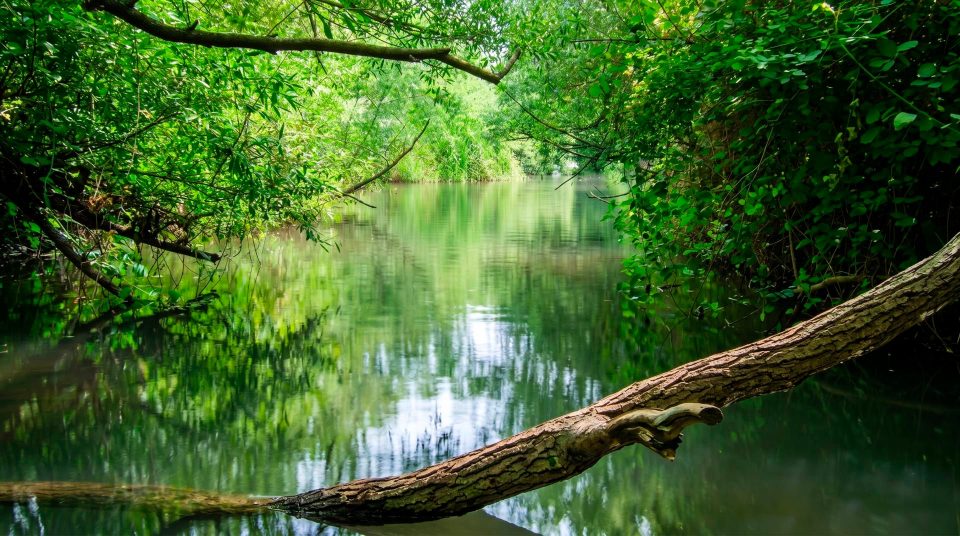
From the boardwalk at Hula, several wetland habitats come into view at once: open water, a dense wall of papyrus and narrow channels between the stems. Pause at an observation window and wait for movement in the vegetation. Behind this quiet scene lies the history of a drained valley and the effort to save a small part of its wetland. Hula Nature Reserve reveals how a restored marsh works, and why birds, plants and people need different relationships with the water's edge.
Choosing the right Hula on the map
Agamon Hula and Hula Nature Reserve are separate places within the same valley. The reserve lies south of Agamon and preserves a restored fragment of the former lake and marshes. Agamon emerged from a different valley rehabilitation project. These are not two entrances to a single visitor attraction: each has its own grounds and visitor arrangements. For this trip, select Hula Nature Reserve as your destination. The valley lies between the Naftali Mountains to the west and slopes rising towards the Golan Heights to the east. That setting helps you picture a broad lowland where water once occupied far more space than it does today. On the boardwalk, reeds can narrow the view to a few metres. From a lookout, it becomes easier to place this surviving wetland within the much larger landscape.
The habitats and viewpoints of the reserve
1
The restored lake
The open water is small in comparison with historic Lake Hula. It attracts waterbirds and lets you compare their behaviour on an unobstructed surface with activity close to the densely vegetated shore.
2
The papyrus marsh
Papyrus and reeds grow along the shallow margins. The papyrus provides shelter for animals and is an essential part of their habitat. Listening carefully can reveal more here than trying to see a whole bird immediately.
3
The floating boardwalk
The route over the water brings visitors close to a habitat they cannot enter on foot. Screened sections reduce disturbance to birds and offer views of life that is difficult to see from an open bank.
4
The observation tower
From a higher level, the boundaries between vegetation and water become clearer. After watching at close quarters, this perspective shows how the different parts of the marsh connect. Use of individual levels depends on permitted access.
5
The aquatic plant sanctuary
The garden conserves rare plants associated with the valley's former wetlands. Its purpose is to sustain populations that struggle in the altered environment, rather than to provide an ornamental display beside the lake.
The scale of the walk and the protected wetland
about 600 mFloating boardwalk length in the official description
3 Levels in the observation tower
300 haArea of the Ramsar-listed wetland
Marsh and lake differ beneath the surface
Water between the stems may look like an extension of the open lake, but the ground beneath them is different. Peat, formed from accumulated plant remains, characterises the historical marsh area. The official description contrasts it with calcareous deposits on the lake bed. This helps explain why drainage changes much more than the appearance of the surface. Once wet ground is no longer waterlogged, decomposition, vegetation and soil stability all change. After drainage, the valley experienced peat fires and soil loss. During a walk, keep that connection in mind: water level determines both the visible vegetation and processes hidden beneath your feet. The boardwalk gives access for observation without treating the marsh itself as ordinary walking ground.
How the valley changed
- 1951–1958
The lake and marshes were drained to expand agricultural land and address public-health problems. Altering the water system affected a wide range of habitats throughout the valley.
- 1964
Hula Nature Reserve was officially inaugurated as the country's first nature reserve. Protecting a small wetland area became an important step in the development of Israel's conservation movement.
- 1996
The reserve was added to the Ramsar list of wetlands of international importance. The designation recognises the value of a connected system of habitats; it does not promise a particular number of birds beside the boardwalk.
- 2011
The Hula painted frog was rediscovered after being considered extinct following the drainage. The finding showed how much could remain unknown about the life of even a small protected wetland.
Why water buffalo graze the wet meadows
Water buffalo, locally called jamus, are among Hula's most recognisable animals. Their value extends beyond their broad silhouettes against the water. The Ramsar description explicitly links grazing with the preservation of open wet meadows: large herbivores help prevent vegetation from taking over. The animals therefore maintain habitat needed by other species. The reserve's official account traces its herd to buffalo from the Bethsaida Valley, northeast of the Sea of Galilee. What you see depends on where the animals happen to be during your visit. A close view cannot be promised, and buffalo should never be treated as tame park animals. Photograph them from an authorised observation area at a respectful distance. Offering food to attract them changes their behaviour and creates unnecessary risk.
The floating boardwalk: a closer view of the shore
Walking above the water changes the angle of observation. From an ordinary bank-side path you see the vegetation as a wall; here, part of the route passes directly over the wetland. Roofed and screened sections create places to watch quietly. Compare a bird moving across open water with movement among the stems, then spend time looking into a seemingly empty gap in the reeds. The boardwalk's length is only part of the reserve walk: other paths connect it with the entrance and surrounding areas. There is little reason to hurry simply to complete the distance. Choose a window, let your eyes adjust to the detail and leave space for other observers. With a long camera lens, a steady position and unhurried movements are particularly useful. The habitat is very close, so keeping quiet has a practical purpose.
Ways to watch different parts of the marsh
- Open water
- Waterbirds and the wider scene
- Scan gradually with binoculars, from the nearest water to the far side. Silhouette and movement may be easier to distinguish than plumage. A rewarding visit need not depend on finding one particular species.
- Papyrus and reeds
- Life concealed along the shore
- Listen first, then look for movement between the stems. Stay within the observation space rather than stepping out towards a bird: the vegetation is its cover.
- The tower
- The pattern of the whole wetland
- An overview reveals habitat boundaries and the layout of the water. It adds context to close observation, while allowing different features of the same wetland to stand out.
- Wet meadow
- The ecological role of grazing
- Keep your distance from large animals. Buffalo move around and may be difficult to see. The stop is also worthwhile for understanding the open marsh landscape they help maintain.
Birds use the whole valley
Birdwatching in the Hula Valley belongs to the larger geography of migration between Europe, Asia and Africa. The valley is a stopover within that system, with much more to offer than a single photogenic flock. Different birds use open water, marshy margins, fields and trees; their distribution shifts with the season and time of day. Spring and autumn passage bring additional variety, while some birds remain in the region through winter. Outside the main migration periods, the wetland itself still rewards attention. On a first visit, watching several kinds of behaviour, from feeding to resting and movement along the bank, is more useful than measuring success against a checklist of sightings. The enormous crane gatherings familiar from images of Agamon should not automatically be expected beside the boardwalk at this separate reserve.
Rare plants and the return of the Hula painted frog
The aquatic plant sanctuary reveals a less conspicuous side of ecological restoration. Drainage broke up the valley's former network of wet habitats, leaving some species in need of dedicated conservation conditions. Cultivating rare plants helps maintain their populations and provides a basis for reintroduction to suitable places. The Hula painted frog adds a lesson in scientific caution. Considered extinct, it was found again in the reserve in 2011. Its rediscovery is not a promise that a visitor will see this rare amphibian on a walk. Rather, the story explains why a small, overgrown patch can have great importance even when a person looking into it sees nothing at all. Conservation success does not always present itself as a conspicuous animal beside the path.
Reading the exhibits near the entrance
A marker near the entrance helps you picture the edge of the former lake. Nearby, a floating platform used in the drainage works recalls the scale of the engineering that reshaped the valley. Compare those reminders with the restored water you will walk above. The Oforia visitor centre explores the valley's history, wildlife and bird migration, connecting an individual wetland with long-distance flyways. Presentations and access to the centre follow their own arrangements. Even without including it, the reserve's water, vegetation and historical markers give a coherent account of the place. The Founders' Grove near the entrance is associated with neighbouring Yesud HaMa'ala. The old protected section of the grove is not an area for unrestricted wandering.
Preparing for a wetland walk
The approach branches east from Route 90, north of Yesud HaMa'ala Junction. Keep the words 'Nature Reserve' in your navigation destination so you do not arrive at Agamon instead. Bring binoculars, drinking water and sun protection: being beside a lake does not guarantee shade along the path. A small, light kit for observation is more useful here than swimming equipment. If step-free access matters, discuss the combination of approach paths, boardwalk and visitor centre in advance. An accessible entrance area does not make the top of the tower accessible to everyone. Plan the day around quiet stops. When close observation becomes tiring, switch to a broader view of the marsh. Walking faster will not make up for an imagined shortfall in the number of birds you have seen.
Watching without disturbing the wetland
Questions about Hula Nature Reserve
- Are Hula Nature Reserve and Agamon the same place? No. They are separate sites within one valley. The reserve lies south of Agamon and conserves a restored fragment of the former marshes. Choose the specific Hula Nature Reserve entrance when planning your journey.
- Where does the floating boardwalk go? It runs above the reserve's water and marsh habitats. The official description gives its length as about 600 metres. That is one section of the walk, not the complete distance from the entrance and back.
- Do I need to visit during migration? Spring and autumn passage add variety, but other seasons also have interest. Open water, papyrus, wet meadows and protected plants reveal how the wetland works even without a large migratory flock in view.
- Am I guaranteed to see water buffalo? No. The reserve maintains a herd, but the animals move around their own area and may be far from a viewpoint. Visitors should not approach them or try to lure them closer for a photograph.
- Why are buffalo grazed here? They help keep wet meadows open and limit overgrowth. Water buffalo have a conservation role within this habitat. They are not kept as an attraction for feeding, petting or close encounters.
- Can I see the rare Hula painted frog? You should not plan on it. The 2011 rediscovery matters to science and conservation history, but it does not establish a visitor observation point where a sighting can be guaranteed.
- Are binoculars necessary for a first visit? They make it much easier to watch birds on open water and near vegetation while keeping a suitable distance. A visit can still be worthwhile without them: the habitats themselves and the history of the valley provide plenty to explore.
Sources
History
The lake and marshes were drained to expand agricultural land and address public-health problems. Altering the water system affected a wide range of habitats throughout the valley.
Hula Nature Reserve was officially inaugurated as the country's first nature reserve. Protecting a small wetland area became an important step in the development of Israel's conservation movement.
The reserve was added to the Ramsar list of wetlands of international importance. The designation recognises the value of a connected system of habitats; it does not promise a particular number of birds beside the boardwalk.
The Hula painted frog was rediscovered after being considered extinct following the drainage. The finding showed how much could remain unknown about the life of even a small protected wetland.