At a glance
What awaits you
Visit duration
Not yet provided
Difficulty
Not yet provided
Main paved paths, rest areas, toilets and changing rooms accessible; not every natural or water area is fully accessible.
Route length
Not yet provided
Who is it for
Popular visiting hours
Verified busyness data is not available yet
Best time to visit
JanFebMarAprMayJunJulAugSepOctNovDec
BestGoodHot
5-day forecast
Forecast loads when this section is viewed
About this place
Horshat Tal National Park
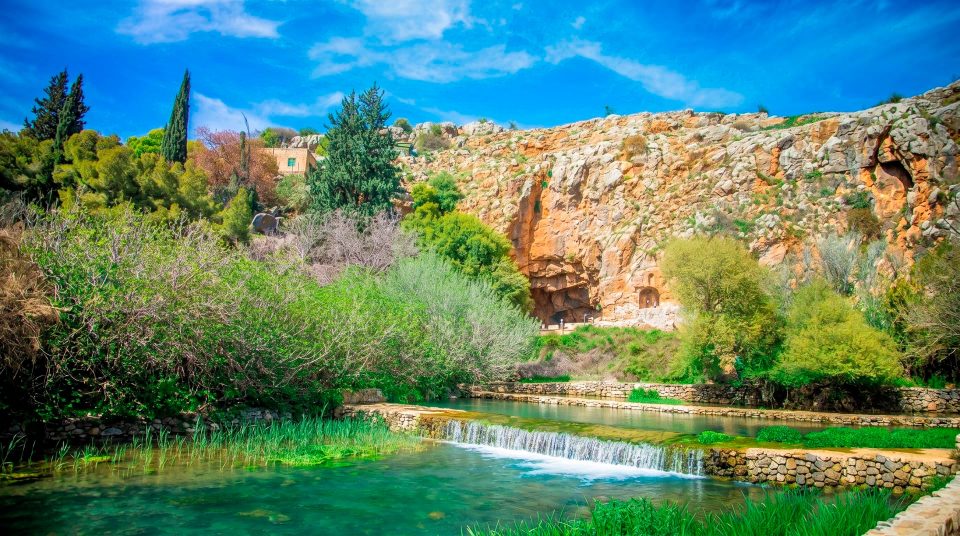
Space is the first thing you notice at Horshat Tal. Water threads through green ground, open glades separate the old oaks, and Mount Hermon rises beyond the northern valley. Many visitors come for an unhurried day beside the channels and pools, but the grove has a history of its own. Mature Tabor oaks and sensitive areas of wild plants survive beside the places set aside for recreation. That close relationship between a public park and protected nature gives Horshat Tal its character.
A grove at the northern end of the Hula Valley
Horshat Tal National Park lies northeast of Kiryat Shmona, near HaGoshrim and south of Road 99. This is the level northern part of the Hula Valley, beneath the surrounding mountains. Water from the Dan river system runs through the grounds in Nahal Tal and in channels feeding the recreational pools. A visit here centres on open space, glades and time spent in one place, quite unlike walking a narrow river gorge. Nearby map labels can refer to the national park or to protected natural areas with different boundaries and rules. The entrance is reached from Road 918, which branches from Road 99 at Horshat Tal Junction. Keep that distinction in mind throughout the day: recreation belongs in the areas provided for it, while the natural zones require a lighter footprint.
Tabor oaks in open woodland
The Horshat Tal oak grove has the character of open woodland. Large trees stand well apart, with clearings between them. The trees are identified as Tabor oaks, Quercus ithaburensis, and their interest lies in their broad trunks, branching crowns and the history of the grove’s preservation. Dense shade is only one way to appreciate a woodland. An oak standing in an open glade reveals its own shape particularly well: heavy limbs, uneven bark and light spreading beneath the crown. You can study it without climbing the trunk or stepping among every root. A wide photograph including the clearing often conveys more than a close-up taken against the bark. These mature trees define the local landscape, but repeated trampling of the ground around them can damage the conditions they need.
Putting the protected grove in context
1968 Year the nature reserve was declared
107 dunamsArea of the declared nature reserve
350–400 yearsEstimated age of some of the older oaks
The whole park cannot be described by one figure
The area and declaration date above refer to the designated nature reserve, not the entire recreation ground. Lawns, pools, oak woodland and the orchid area form a more complicated patchwork. Even the familiar term “orchid reserve” does not mean that the botanical area shares the legal boundaries of the old oak reserve. Tree ages also need care. The estimate refers to some of the mature specimens examined; it is no basis for calling every oak a thousand years old or assigning the whole grove a single birth date. These distinctions matter because different natural areas are being conserved at Horshat Tal, while the developed park around them accommodates much heavier use. A figure for area alone cannot tell you where visitors may walk.
Features to look for around the park
1
Nahal Tal and the pools
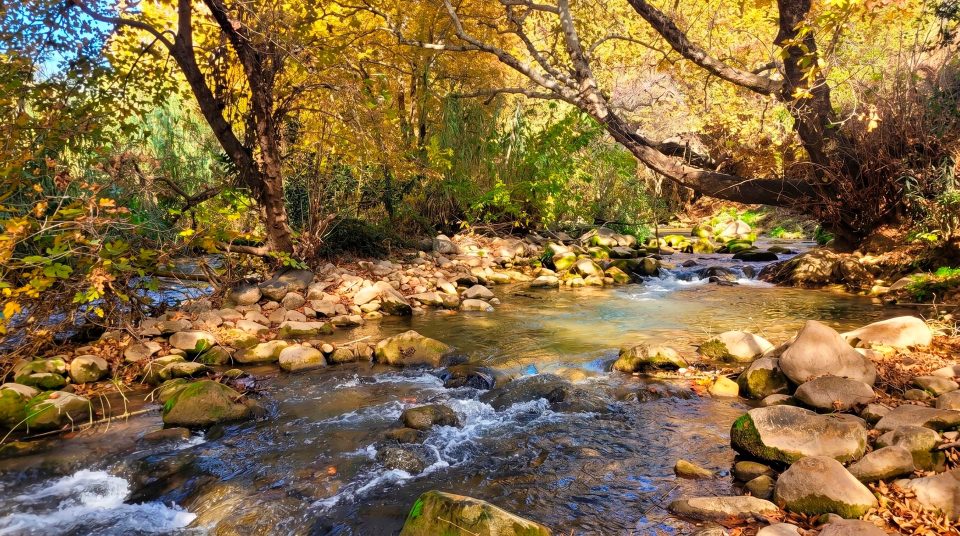
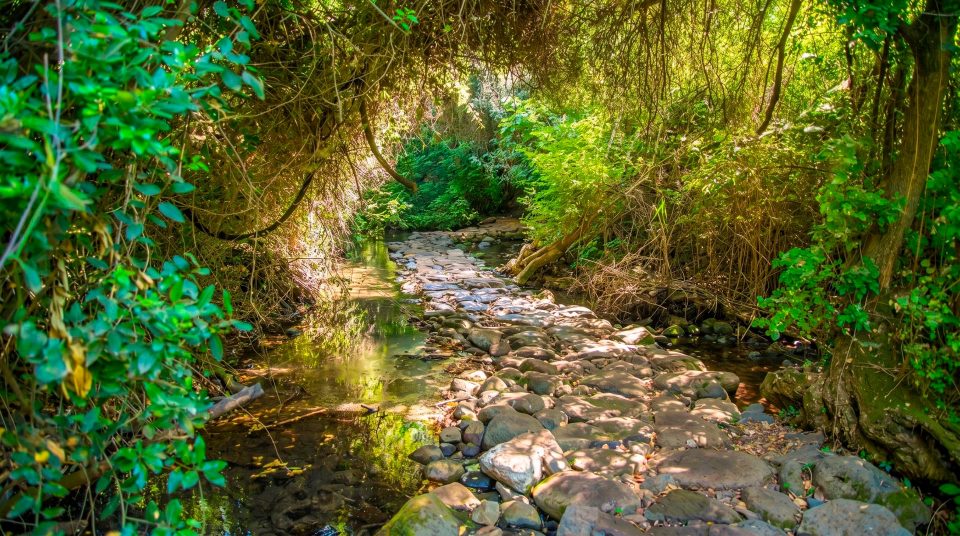
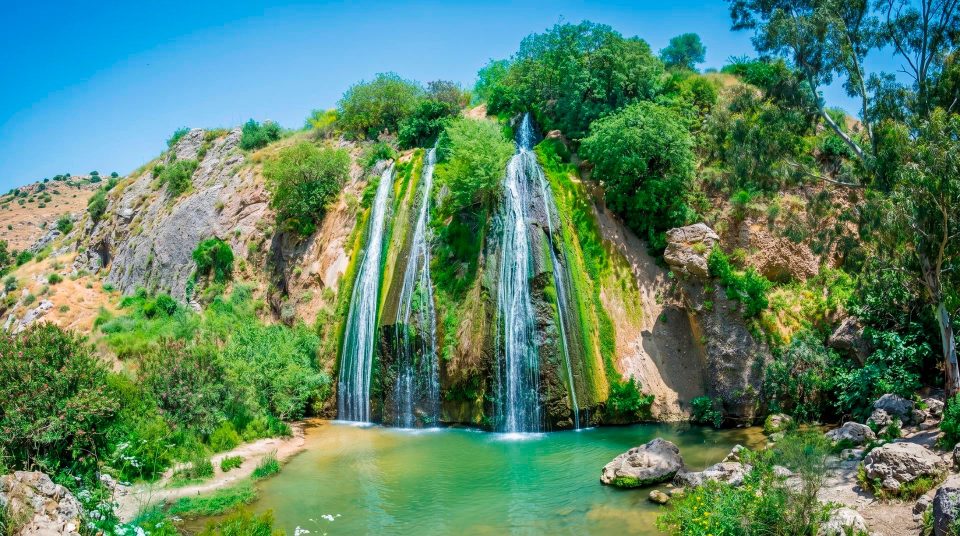
Nahal Tal, a branch of the Dan system, passes through the park, with some of its water carried along channels in the recreation area. A pool and a natural channel serve different purposes. Places where entering the water is permitted are designated separately.
2
The large oaks
Compare the shape of several crowns and the way their shade falls across a clearing. The space between trees makes their outlines easy to see. Old branches should remain part of the living tree rather than become climbing equipment.
3
The protected orchid area
The park is known for its variety of wild orchids. This is a seasonal botanical interest, not a promise of a large flower bed in bloom throughout the year. Access to sensitive ground is subject to conservation arrangements.
4
Recreation lawns
Broad grassy spaces are a characteristic part of Horshat Tal. Make these the base for your main stop, keeping picnic equipment and ball games away from the fragile vegetation of protected areas.
The dew in the park’s name
Horshat Tal means “Grove of Dew”. The name refers to Psalm 133 and its mention of the dew of Hermon. The association is easy to understand here in the northern valley, where the mountain forms a recognisable backdrop to the Jordan headwaters region. That literary image is separate from the physical explanation of the pools. Their water arrives through channels connected to the Dan. Holding those two explanations together adds depth to a quiet stop by the water. The name reflects a way of imagining the place, while the water network explains how it actually works. Both are worth noticing before the visit becomes solely a search for an empty patch of lawn.
The “Grove of Ten” and a tradition of protection
The Arabic name Sajarat al-Ashara is associated with a local legend about ten companions of Muhammad. According to the story, they stopped beside channels of the Dan and found no trees to which they could tether their horses. They pushed their staffs into the ground; the staffs took root and grew into trees, establishing the grove. This is a traditional account of the trees’ origin, rather than a verified episode from the Prophet’s biography. Its cultural consequence matters: respect for the place helped protect the oaks. Care for this landscape therefore predates the modern tourist park. Research provides estimates of the trees’ biological age, while local tradition explains why people treated them with particular reverence. These are different kinds of knowledge, each relevant to the grove’s survival.
Wild orchids need a closer, more patient look
The botanical area’s name can suggest a great flower garden, but wild orchids follow seasonal cycles. Their value lies in the variety of species and the preservation of their habitat. Flowering dates depend on the plant and the weather. A visit focused on one species is best planned around botanical guidance or an officially permitted visit. Descriptions of the protected oak woodland also record caper bushes, sea squill and anemones. They draw attention below the great crowns, where plants occupy patches of light and change the glades through the seasons. Making a new track to reach a single flower damages the habitat that brought a botanist here in the first place. Observe and photograph from the permitted route. The southern botanical area occupies ground formerly used for fishponds and includes travertine deposits. Its conditions therefore differ from both the oak grove and the managed lawn. That history of land use helps explain why plants are distributed unevenly across the park.
Different ways to spend a day at Horshat Tal
- Time beside the water
- Water and open space
- Pools and lawns provide the focus. Swimming depends on the water area being open and operating under the appropriate arrangements. Cool running water alone does not establish that a place is safe to enter.
- A closer look at the grove
- Woodland and local tradition
- Concentrate on old trees and the differences between naturally open woodland and developed parkland. Do not plan a free-ranging walk through conservation areas.
- A botanical visit
- Plant observation
- Check permitted access to the area that interests you and any seasonal programme. Choose the date around the plants rather than swimming weather.
- An overnight stay
- A separately planned visit
- Camping needs separate planning and confirmation of the arrangements. Day admission should not be treated as a reservation for a tent pitch or cabin.
Cold water and a family day out
A day beside the water in the Hula Valley can appear easy to organise: spread a blanket and move between grass and pool. At Horshat Tal, agree in advance where children may go near the water and who is watching them. The supply comes from cool channels, and neither temperature nor depth makes every stretch suitable for unsupervised play. Footwear that is easy to put on and secure on wet ground is useful when moving between the lawn and the water’s edge. Keep your main belongings in the designated recreation area rather than shifting the picnic base towards sensitive vegetation. Even without swimming, water remains a strong part of the visit. Follow its course between the trees and notice how the surrounding ground changes beside it.
Reading the grove through the seasons
For swimmers, Horshat Tal is chiefly associated with warm weather. A botanical visit has different priorities. After rain, the ground vegetation and developing plants draw attention; in dry conditions, individual tree outlines and the edges of shade become more prominent. Orchids, anemones and sea squill should not be expected to flower together. They belong to different seasonal displays. Photographing the grove can be a sequence of close observations: bark, a crown, an opening between trees and a channel of water. A measured pace leaves more room for these than an attempt to tick off every plant in one visit. Recreation services and permission to use the pools follow their own arrangements. Check those with the official operator before travelling, separately from your broader interest in the grove.
Protecting the trees that provide the shade
Questions about the Horshat Tal grove and pools
- Where is Horshat Tal National Park? It is near HaGoshrim in the northern Hula Valley, northeast of Kiryat Shmona. Road 99 is the main road reference. For navigation, select the national park entrance rather than a marker for the protected oak grove.
- Where does the park’s water come from? The pools are supplied by cool channels connected to the Dan River. “Grove of Dew” is a literary name. It does not mean that dew from Mount Hermon fills the water areas.
- What kind of oaks grow here? They are Tabor oaks, Quercus ithaburensis. The grove contains large, very old specimens. The approximate age estimate of several centuries applies to some of the trees rather than every trunk.
- Can visitors walk freely among the orchids? The orchid area should not be treated as an ordinary recreation lawn. Access follows conservation rules. A botanical visit needs to take account of permitted entry and the flowering season of the species you want to see.
- Why is it called the “Grove of Ten”? The name comes from a local Arabic legend about ten companions of Muhammad whose staffs became trees. It belongs to folklore and reflects the grove’s cultural value and a long tradition of protecting it.
- Is swimming always allowed? The presence of recreational pools does not guarantee permission to enter the water on any given day. Check the water area’s operating arrangements before travelling. Permission to swim in one place does not automatically apply to every channel.
- Can I arrive with a tent without making arrangements? An overnight stay is a separate kind of visit. Confirm that the campsite is operating, that space is available and what accommodation rules apply before setting out. Day admission does not give permission to camp wherever you choose.