At a glance
What awaits you
Visit duration
Not yet provided
Difficulty
Not yet provided
Leashed, muzzled dogs are allowed in the day-use area but prohibited in the campground.
Route length
Not yet provided
Who is it for
Popular visiting hours
Verified busyness data is not available yet
Best time to visit
JanFebMarAprMayJunJulAugSepOctNovDec
BestGoodHot
5-day forecast
Forecast loads when this section is viewed
About this place
Maayan Harod National Park
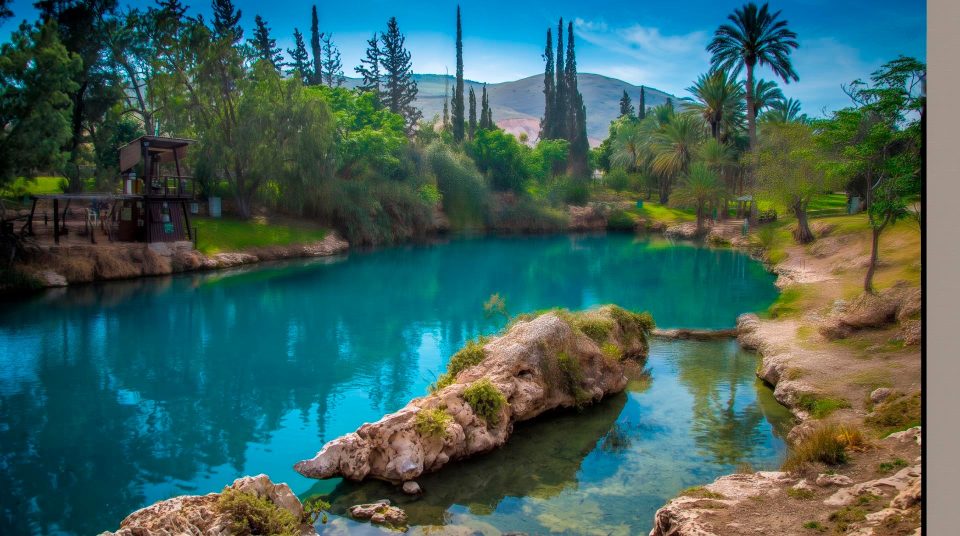
At the foot of Mount Gilboa, water emerges from a dark grotto and flows through green parkland. The Hankin House stands above the spring; beyond the trees, the Harod Valley opens out. Maayan Harod National Park brings these different scales into view, from a small outlet in the rock to a landscape of roads, settlements and a medieval battlefield. Explore the lower grounds, then give the hillside some attention too.
Where Mount Gilboa meets the valley
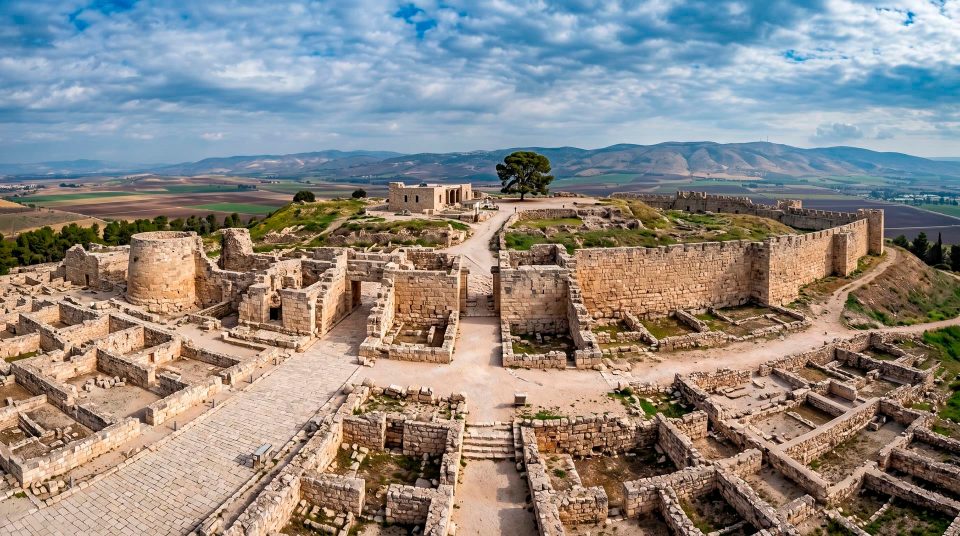
Maayan Harod lies at the northwestern foot of Mount Gilboa, beside the community of Gidona. The hillside gives way quite abruptly to a level agricultural valley. The national park spans that transition: water, lawns and trees occupy the lower grounds, while the Hankin House and memorial sites stand higher up. The Harod Valley is often included under the broader name of the Jezreel Valley, but its drainage is distinct. The western valley drains towards the Kishon; here, water flows east to the Jordan River. The spring’s position made it a longstanding landmark on the route between Afula and Beit She’an. From the lower grounds, your view is drawn towards the slope. Higher up, the extent of the surrounding valley becomes much easier to appreciate.
The places that give the park its character
1
The spring beneath the rock
The water emerges from a grotto known as Gideon’s Cave. Pause by the source itself. This small natural feature is the reason for the park’s location and the focus around which both ancient traditions and the modern recreation grounds developed.
2
The house above the spring
The small hillside house is associated with Yehoshua and Olga Hankin. Its position offers a useful contrast with the enclosed corner beside the rock: from here, the view opens across the cultivated valley.
3
The tomb and memorial
The Hankins’ tomb lies near the house, with a memorial to fallen residents of the valley farther west. These places call for a quieter manner than the lawns in the lower part of the park.
Follow Harod Spring from its source
Water comes out at the base of the mountain and passes through channels and pools shaped by people. Follow that sequence with your eyes: a dark recess in the rock, the emerging flow and the landscaped grounds beyond. It becomes clear that the park developed around an active spring, while the outlines of its pools and paths belong to later landscaping. The groundwater is supplied by rainfall filtering through rock. It reaches the surface where the geological structure allows it to emerge from beneath the hillside. On a visit, the most revealing point is often the outlet itself, rather than the largest stretch of water. Clarity is not proof that spring water is safe to drink. Nor should the grotto be treated as a developed cave route that visitors can explore independently.
Gideon’s Cave and the selection of the warriors
Tradition connects the spring with an episode in the Book of Judges. Before fighting the Midianites, Gideon reduces his force by watching how the men drink. In the biblical narrative, three hundred warriors remain after the test. The name Gideon’s Cave keeps that association alive and helps explain the fame of this relatively small natural feature. However, identifying present-day Maayan Harod with the biblical En Harod is disputed; scholars have proposed other locations. It is therefore appropriate to speak of a tradition and a biblical account when visiting. Neither the grotto nor the arrangement of the modern park establishes precisely where the troops stood. That distinction preserves the story’s significance while allowing historical and archaeological questions about its setting to remain open.
Ain Jalut and the medieval landscape
The spring’s Arabic name is Ain Jalut. Its surroundings are associated with a documented medieval event: the Mamluk victory over a Mongol army in 1260. The battle halted that army’s advance towards Egypt and became a major episode in the region’s history. Unlike the association with Gideon, this is an event with an established historical date. Even so, the boundary of today’s national park should not be projected onto the battlefield. The fighting involved the surrounding countryside, and its precise troop positions cannot be reconstructed by following modern paths. Look instead at the broad passage along the foot of Mount Gilboa. A spring helps explain why armies used this area: people and animals moving along an overland route both needed a reliable water supply.
From a medieval spring to a national park
- 1260
At the Battle of Ain Jalut, a Mamluk force defeats a Mongol army in the area of the spring and valley.
- 1921
The settlement of Ein Harod is established beside the water. It later moves elsewhere; the present-day kibbutzim of that name occupy different sites from the national park.
- 1931–1936
A house for Yehoshua and Olga Hankin is built on the hillside. It is intended as their home, but the couple never live there.
The Hankin House and a changing agricultural valley
Yehoshua Hankin was involved in major land purchases connected with the development of Jewish settlements in the valley. The house above the spring moves the story from the broad transformation of the land to the lives of one family. It was built as a private home, although the couple never occupied it, and subsequently became a museum. From outside, notice its modest scale and chosen setting: a house on a slope above water, looking towards the agricultural landscape with which Hankin’s work was closely connected. Seeing the building from the grounds and entering its museum are different visiting arrangements. If documents and displays are your main interest, check access to the house separately. Admission to the park should not be taken to include a museum tour or access to its interior.
A family tomb and a memorial to the valley’s fallen
Yehoshua and Olga Hankin’s tomb stands close to the house they had planned to occupy. The two sites bring their personal story together on a single slope. To the west is the memorial to fallen residents of the valley, created by sculptor David Palombo. Here the character of a visit changes. Names and remembrance take the place of play beside the water, with the surrounding landscape adding context to the lives being commemorated. For children, a simple explanation of the difference between a family tomb and a public memorial is enough to begin with. Look at the sculpture’s details without assigning an unverified symbolic meaning to every element. Keep group photographs and noisy gatherings for other parts of the park, so that this area can retain its quieter purpose.
What the hillside view reveals
The climb towards the house also gives an overview of the park. Below, you can make out the lawns, lines of water and trees along the foot of the mountain. Beyond them lie fields and agricultural ponds in the Harod Valley, with the Moreh heights in the distance. The view links the natural spring with a landscape extensively reshaped by people. The valley has changed through time: wet areas were drained, farming practices altered and roads built. Those transformations are an important part of its history. Compare a photograph from the slope with a close view of water emerging from the grotto. They describe different aspects of the same place, one intimate and the other far-reaching. Use the permitted viewpoints; a panorama does not require approaching an edge or making a path of your own.
Choosing where to spend your time
- For the natural setting
- The grotto and the watercourse
- Begin where water emerges from the rock, then follow the flow along the available paths. The focus is the spring’s relationship with Mount Gilboa’s lower slopes; this is not a long gorge walk.
- For the history
- Several periods on one hillside
- Link the spring with the house, tomb and memorial. Treat the biblical account, medieval battle and Hankin family story as distinct historical layers, each with its own evidence and context.
- For a family visit
- Lower parkland and a separate climb
- Alternate looking at the water with time on the lawns. The climb to the house introduces steps and additional exertion, so assess it separately from the lower grounds.
- For the panorama
- The slope above the park
- Allow the upper area its own stop, with enough energy for the return. The broad valley view offers a different perspective from the enclosed landscape immediately around the spring.
Shade by the water, sun on the slope
Maayan Harod occupies a warm, low-lying valley rather than cool mountain country. In summer, water and trees make the lower grounds attractive for a pause, but reaching the house still means going up the hillside. Choose a less hot part of the permitted visiting day for that climb. In cooler weather, more attention can go to the view and historical sites. After rain, take care on steps and paths near the water. Spring greenery is a seasonal backdrop rather than a promise of particular flowers on a given day. Resting on a lawn and climbing steps call for different footwear and a different pace. Bring drinking water with you rather than planning to collect it from the spring, however clear the flow may look.
Water features have their own visiting rules
Finding the right destination
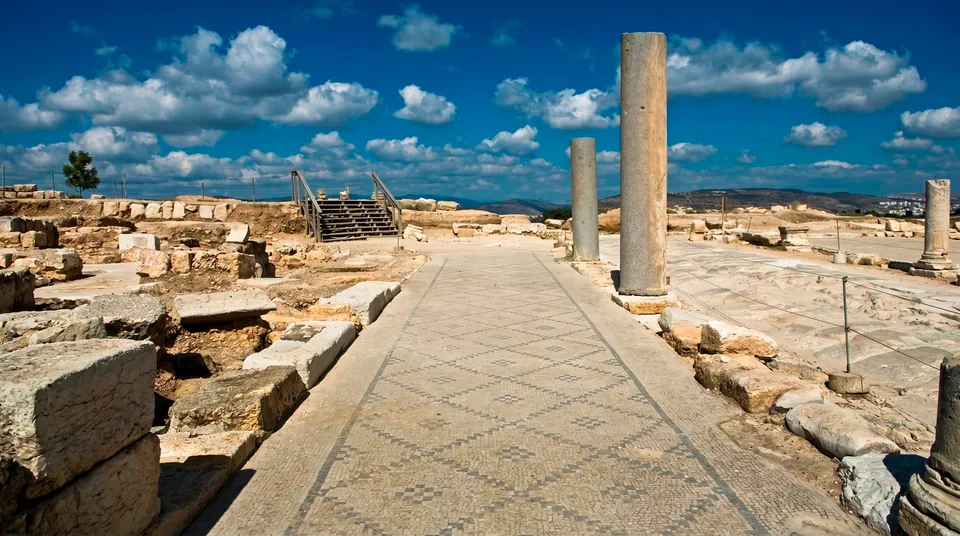
For driving directions, select the national park beside Gidona. The approach to this side of Mount Gilboa branches from Road 71 between Afula and Beit She’an. Searching only for Ein Harod may direct you to the modern kibbutzim, which are separate from the spring. Maayan Harod works well in a valley itinerary that combines scenery with an interest in local settlements. Bet Alfa offers a different focus, with an ancient mosaic floor that rewards close examination; Gan HaShlosha is known for larger pools. Comparing them helps identify the kind of visit you want. Here, the distinctive experience comes from the proximity of a small rock recess, a broad valley and the personal history of the house above the water. Leave time for that shift between the near view and the distant landscape.
Questions about Maayan Harod
- Are Maayan Harod and the Ein Harod kibbutzim in the same place? No. The national park surrounds the spring beside Gidona, while the modern Ein Harod kibbutzim are elsewhere. Select the full national park name when planning your route rather than relying on the shared name alone.
- Can visitors explore inside Gideon’s Cave? This is the grotto from which the spring emerges, not a developed underground walking route. The permitted area beside the water is sufficient for viewing it. Do not plan an independent exploration inside the recess.
- Did Gideon select his soldiers at this exact spot? That is the familiar tradition linking the spring with the account in Judges. Scholars dispute the precise biblical identification. The story of testing the warriors needs to be distinguished from an established fact about this location.
- Why is the Hankin House important? It was built on the slope above the spring for Yehoshua and Olga Hankin, who never lived in it. The house later became a museum. Access to its interior displays is a separate question from visiting the surrounding parkland.
- Is the whole visit an easy, level walk? The lower grounds and the route towards the house have different terrain. The upper historical sites involve a slope and steps. If stairs are unsuitable, check access to the places you want to see and plan a visit around the lower area.
- Does a visit have to include swimming? No. The spring, valley and historical sites give the park plenty of interest on dry land. Enter the water only where and when it is permitted; a filled pool does not by itself confirm the current bathing arrangements.
- Which medieval battle is associated with the spring? In 1260, the Mamluks defeated a Mongol army in the Ain Jalut area. This belongs to a different period from the account of Gideon. Today’s park paths do not mark the precise positions of the medieval armies.
Sources
History
At the Battle of Ain Jalut, a Mamluk force defeats a Mongol army in the area of the spring and valley.
The settlement of Ein Harod is established beside the water. It later moves elsewhere; the present-day kibbutzim of that name occupy different sites from the national park.
A house for Yehoshua and Olga Hankin is built on the hillside. It is intended as their home, but the couple never live there.