Bet Shearim National Park: A Time Capsule of Jewish Heritage and Ancient Art
Bet Shearim National Park is widely recognized as one of the most important and spiritually significant archaeological landmarks in the Middle East. Boasting a prestigious position on the UNESCO World Heritage list: this ancient site was the heart of Jewish life during the Roman and Byzantine periods. Its fame stems from being the residence and final resting place of Rabbi Yehuda HaNasi: the great leader who redacted the Mishnah. Visiting Bet Shearim National Park through the Nativa travel portal offers a unique journey into a massive underground necropolis consisting of dozens of burial caves carved into the soft limestone. As a world class tourist destination and a historic monument: Bet Shearim National Park showcases an extraordinary blend of Jewish tradition: classical art: and engineering mastery from two thousand years ago.
Key Archaeological Highlights and Visitor Features:
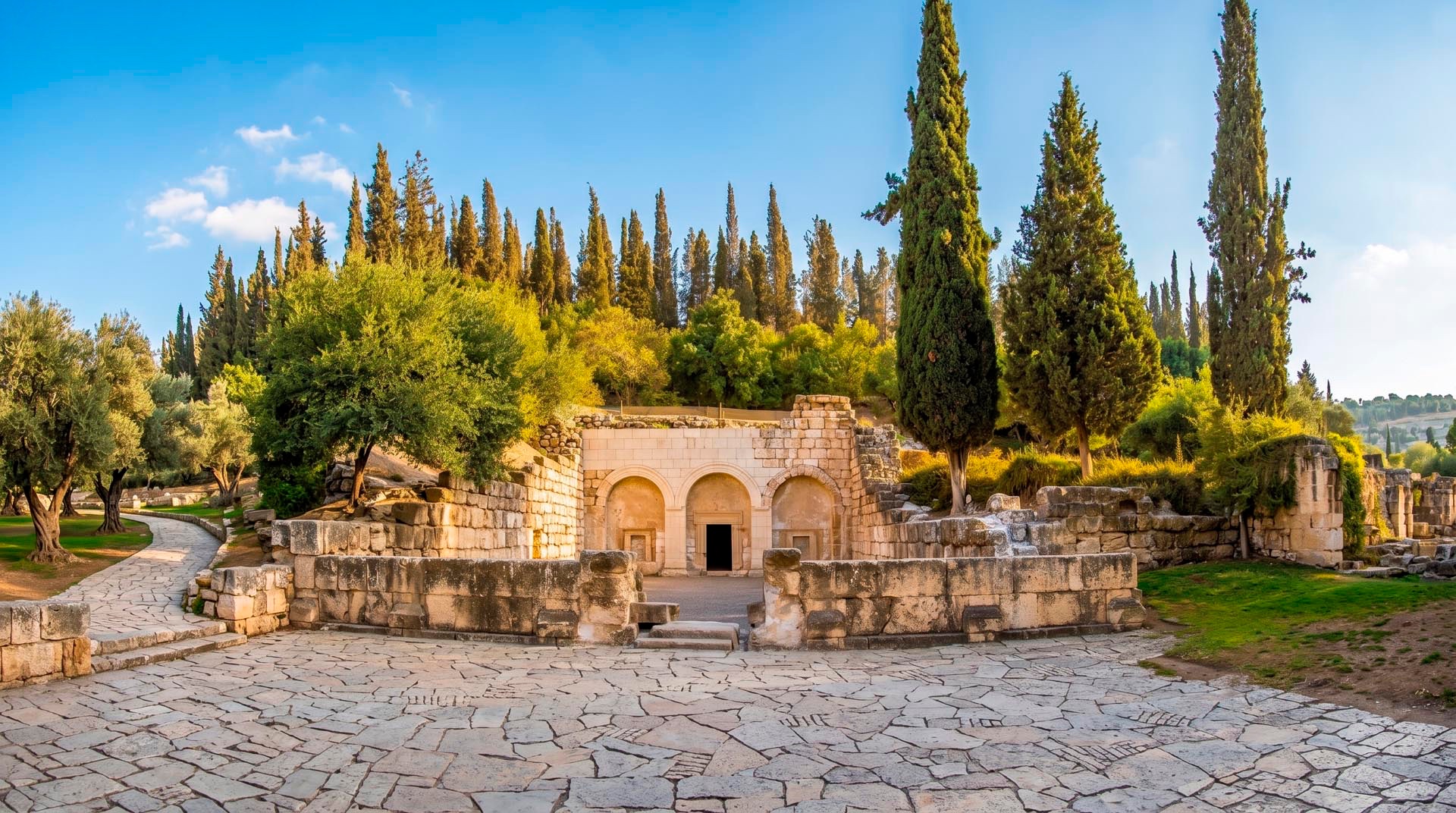
- The Cave of the Sarcophagi (Cave 20): The largest and most impressive burial system within Bet Shearim National Park. Measuring seventy five by seventy five meters: it contains over one hundred thirty stone coffins decorated with ornate reliefs of lions: bulls: and geometric patterns. While exploring Bet Shearim National Park: notice the grand triple arched facade and the massive 1.9 meter high Menorah carving that adorns the cave walls.
- The Tomb of Rabbi Yehuda HaNasi (Cave 14): The spiritual core of Bet Shearim National Park. This large system includes a spacious courtyard where ceremonies were likely held. Unlike the wealthy sarcophagi nearby: the Rabbi’s tomb follows his personal will to be buried directly in the earth. The presence of the names of his sons: Rabbi Shimon and Rabban Gamliel: confirms the historical identity of this site within Bet Shearim National Park.
- The Menorah Caves and Audio-Visual Show: Opened to the public in two thousand nine: this section of Bet Shearim National Park features six caves rich in carvings and inscriptions. Visitors can enjoy the dramatic "Evolution of the Menorah" show: which traces the story of the seven branched lamp from the destruction of the Temple to its role as the state symbol. Pre registration for this specific exhibit within Bet Shearim National Park is required.
- The Museum Cave and the Great Glass Block: An unexpected wonder in Bet Shearim National Park. Located in an ancient cistern converted into a glass workshop: visitors can see an 8.8 ton block of raw glass. It is the largest piece of ancient glass ever found: illustrating the industrial capabilities of the people who lived in Bet Shearim National Park.
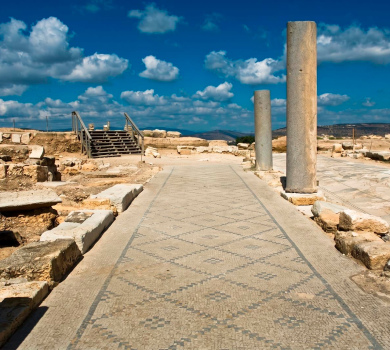
- The Upper Trail and Alexander Zaid Statue: A scenic hiking trail leading to the summit of the hill. Here: Bet Shearim National Park preserves the remains of the living city: including an ancient synagogue and oil presses. The bronze statue of Alexander Zaid: a founder of the Hashomer defense organization: offers a spectacular panoramic viewpoint over the Jezreel Valley.
- Caves of the Diaspora: Bet Shearim National Park served as the central cemetery for the Jewish world after the loss of Jerusalem. Inscriptions found in the Sarah Cave and the Cloth Merchants Cave mention Jews from Egypt: Syria: and Turkey: making this a true international cultural heritage site.
History and UNESCO Significance:
The area occupied by Bet Shearim National Park reached its zenith in the 2nd to 4th centuries CE. Following the Bar Kokhba revolt: it became the seat of the Sanhedrin. The site is a unique monument of nature and culture: where ancient Jewish art flourished under Hellenistic influence. Managed by the Israel Nature and Parks Authority: Bet Shearim National Park remains a biodiversity hotspot and a vital source for understanding the social and religious life of ancient Galilee as featured on the Nativa portal.
Opening Hours and Essential Visitor Information:
Please note that entry to Bet Shearim National Park closes strictly one hour before the official closing times listed on the Nativa portal. A separate booking is required for the Menorah show.
- Summer Season: Sunday to Thursday and Saturday from 08:00 until 17:00. Friday and holiday eves until 16:00.
- Winter Season: Sunday to Thursday and Saturday from 08:00 until 16:00. Friday until 15:00.
- Special Holidays: On Rosh Hashanah: Passover: and Yom Kippur eves: the site closes early at 13:00.
- Important Notice: Renovations are currently taking place in the entrance foyer. Operating hours are subject to change by the administration. We highly recommend checking the official website of the Israel Nature and Parks Authority for the most up to date information before visiting Bet Shearim National Park.
- Pre registration: Booking in advance via the Nativa visit coordination system ensures your entry into Bet Shearim National Park during busy holiday periods.
How to Get There?
- By Car: Bet Shearim National Park is located near Kiryat Tivon. Enter into Waze: Bet Shearim National Park.
- Accessibility: The park offers accessible paths to the Cave of Sarcophagi: the museum: and the visitor service center: making the wonders of Bet Shearim National Park available to all guests.
Nativa Recommendation: Arrive at least fifteen minutes before your scheduled Menorah show to settle payment and facilities. The Nativa portal invites you to discover the silent beauty of the caves and the profound spiritual legacy of the magnificent Bet Shearim National Park.






_840x0_bdc.webp "Bet Shearim National Park Interesting Places in the North")
_840x0_bdc.webp "Bet Shearim National Park Interesting Places in the North")
_840x0_bdc.webp "Bet Shearim National Park Interesting Places in the North")

_840x0_bdc.webp "Bet Shearim National Park Interesting Places in the North")
_840x0_bdc.webp "Bet Shearim National Park Interesting Places in the North")
_840x0_bdc.webp "Bet Shearim National Park Interesting Places in the North")
_840x0_bdc.webp "Bet Shearim National Park Interesting Places in the North")
_840x0_bdc.webp "Bet Shearim National Park Interesting Places in the North")
_840x0_bdc.webp "Bet Shearim National Park Interesting Places in the North")
_840x0_bdc.webp "Bet Shearim National Park Interesting Places in the North")
_840x0_bdc.webp "Bet Shearim National Park Interesting Places in the North")
_840x0_bdc.webp "Bet Shearim National Park Interesting Places in the North")