Zipori National Park: The International City of Mosaics and Spiritual Capital of Galilee
Zipori National Park (historically known as Sepphoris) is widely recognized as one of the most magnificent and strategically significant archaeological landmarks in Northern Israel. Serving as the capital of the Galilee during the Roman and Byzantine periods: this ancient city was the heart of Jewish spiritual and political life after the fall of Jerusalem. It was here that the Sanhedrin (Supreme Jewish Council) presided and where Rabbi Yehuda HaNasi completed the monumental task of redacting the Mishnah. Visiting Zipori National Park through the Nativa travel portal offers a unique window into a multicultural city where Jews and Pagans lived side by side: creating an extraordinary legacy of art and architecture. Known as the international city of mosaics: Zipori National Park houses dozens of the world’s most beautiful mosaic floors: making it a biodiversity hotspot of ancient culture and a must see historic monument.
Key Archaeological Highlights and Visitor Features:
- The Roman Theater: A stunningly preserved semi circular theater built in the late 1st century AD. Carved directly into the hillside within Zipori National Park: it once accommodated four thousand five hundred spectators. From the upper tiers: visitors can enjoy a panoramic viewpoint over the Beit Netofa Valley. Even today: Zipori National Park occasionally hosts live musical performances in this majestic ancient venue.
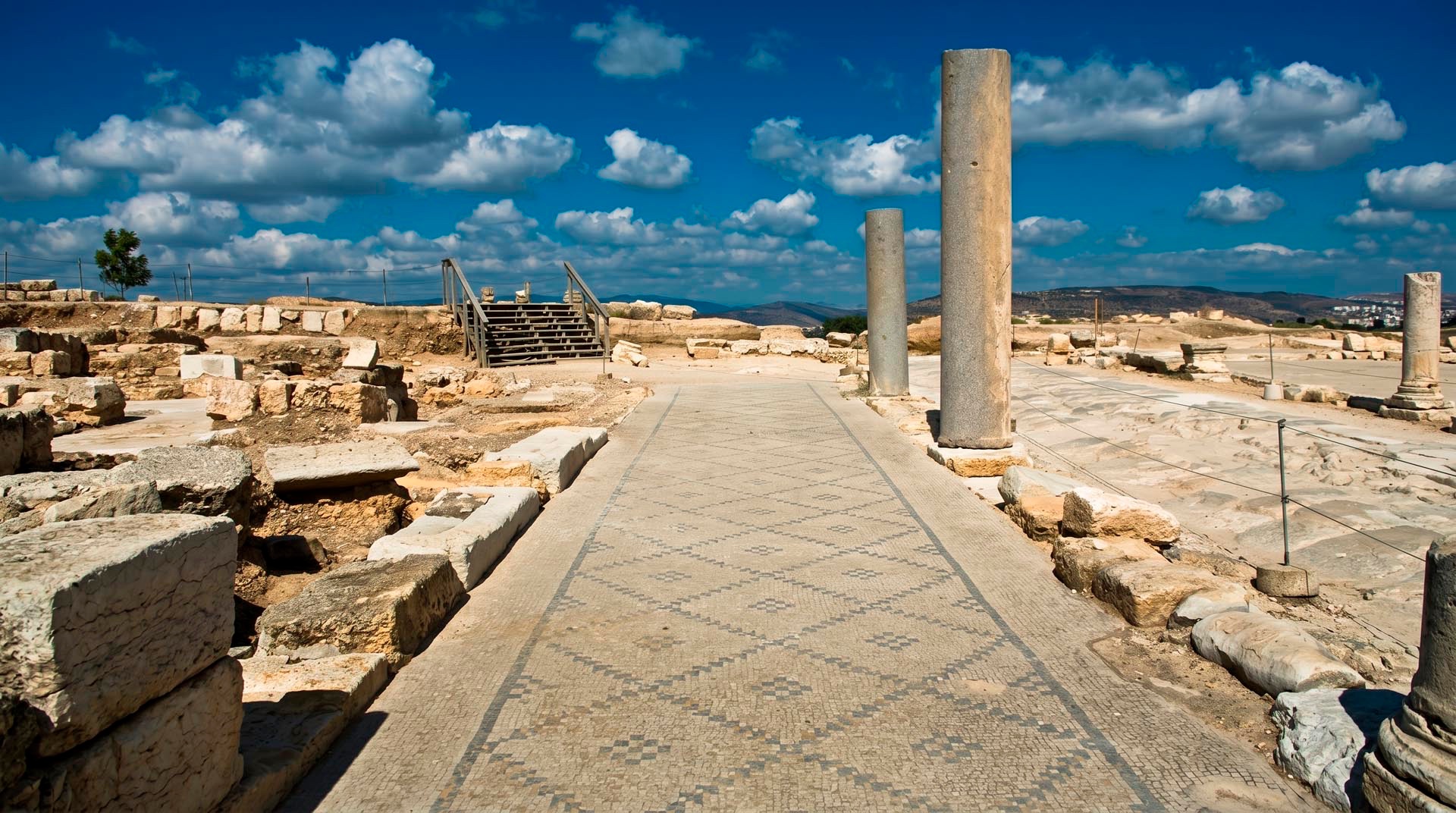
- House of Dionysus and the "Mona Lisa of Galilee": A luxurious Roman villa featuring the pinnacle of mosaic art in the Levant. The floors depict scenes from the life of Dionysus: the god of wine. However: the most famous feature of Zipori National Park is the portrait of a woman known as the Mona Lisa of Galilee. Her captivating beauty and mysterious gaze: which seems to follow the viewer: make this the most celebrated artifact in Zipori National Park.
- The Ancient Synagogue: A unique 5th century CE structure within Zipori National Park. The synagogue floor features a magnificent four part mosaic including the Binding of Isaac: a vibrant Zodiac wheel: and depictions of the Temple in Jerusalem. This site stands as a vital cultural heritage site for understanding Jewish life in the Byzantine era within Zipori National Park.
- The Jewish Quarter and Ritual Baths (Mikva’ot): Excavations have revealed a dense residential area from the Mishnaic and Talmudic periods. The high concentration of ritual baths found here confirms the strict adherence to purity laws by the residents of Zipori National Park. Walking through these reconstructed streets offers a deep dive into the daily life of ancient Jewish scholars.
- The Nile Festival House: A large public building within Zipori National Park decorated with eleven intricate mosaic floors. The central mosaic vividly portrays the celebrations held in Egypt when the Nile reached its peak flood levels: illustrating the global cultural connections of ancient Sepphoris as featured on the Nativa portal.
- Crusader Fortress: Standing at the highest point of Zipori National Park: this fortress was built upon ancient Roman foundations. It was the staging ground where the Crusader army set out for the Battle of Hattin in eleven eighty seven AD. Today: the fortress houses a historical museum and an observation deck offering 360 degree views of the Galilee mountains.
- Ancient Water System and Tunnel of Six Shafts: A massive underground engineering project in Zipori National Park consisting of a two hundred sixty meter long reservoir. Hikers can walk through the heart of this subterranean structure: which supplied water to the city for centuries. The Tunnel of Six Shafts has recently been reopened for public visits after safety upgrades in Zipori National Park.
History and Landscape:
The name Zipori is derived from the Hebrew word for bird (Tzipor): as the city sits atop a hill like a bird perched in its nest. The area occupied by Zipori National Park has seen empires rise and fall: from the Canaanite era to the Ottoman period. Exploring Zipori National Park is not just a lesson in archaeology: it is an immersion into the lush landscapes of Lower Galilee: where almond trees and wildflowers bloom among the ancient ruins. Managed by the Israel Nature and Parks Authority: it remains a world class tourist destination for history buffs and families alike.
Opening Hours and Essential Visitor Information:
Please note that entry to Zipori National Park closes strictly one hour before the official closing times listed on the Nativa portal.
- Summer Season: Sunday to Thursday and Saturday from 08:00 until 17:00. Friday and holiday eves until 16:00.
- Winter Season: Sunday to Thursday and Saturday from 08:00 until 16:00. Friday until 15:00.
- Special Holidays: On Rosh Hashanah: Passover: and Yom Kippur eves: the site closes early at 13:00.
- Important Notice: Certain areas such as the Orpheus Mosaic lookout may be closed for maintenance. On Holocaust Remembrance Day and Memorial Day: BBQs are prohibited within Zipori National Park. We highly recommend checking the official website of the Israel Nature and Parks Authority for the most up to date information before your visit.
- Pre registration: Booking in advance via the Nativa visit coordination system is recommended to ensure your entry during busy holiday periods into Zipori National Park.
How to Get There?
- By Car: Follow Highway 79 (HaMovil Junction to Nazareth) and turn toward Zipori between kilometer markers twenty two and twenty three. Enter into Waze: Zipori National Park.
- Accessibility: The park provides accessible paths to the main villas and the theater: along with an experiential audio guide (Trip Talk) for all guests visiting Zipori National Park.
Nativa Recommendation: Don't miss the interactive exhibits in the fortress which bring the spirit of the Mishnah city to life. The Nativa portal invites you to experience the breathtaking beauty and rich spiritual legacy of the magnificent Zipori National Park.









_840x0_bdc.webp "Zipori National Park Interesting Places in the North")
_840x0_bdc.webp "Zipori National Park Interesting Places in the North")
_840x0_bdc.webp "Zipori National Park Interesting Places in the North")
_840x0_bdc.webp "Zipori National Park Interesting Places in the North")
_840x0_bdc.webp "Zipori National Park Interesting Places in the North")
_840x0_bdc.webp "Zipori National Park Interesting Places in the North")
_840x0_bdc.webp "Zipori National Park Interesting Places in the North")
_840x0_bdc.webp "Zipori National Park Interesting Places in the North")
_840x0_bdc.webp "Zipori National Park Interesting Places in the North")
_840x0_bdc.webp "Zipori National Park Interesting Places in the North")
_840x0_bdc.webp "Zipori National Park Interesting Places in the North")
_840x0_bdc.webp "Zipori National Park Interesting Places in the North")