At a glance
What awaits you
Difficulty
Not yet provided
Lower short Tanur waterfall route is adapted for wheelchairs and strollers, not the full route from Metula.
Route length
Not yet provided
Who is it for
Popular visiting hours
Verified busyness data is not available yet
Best time to visit
JanFebMarAprMayJunJulAugSepOctNovDec
BestGoodHot
5-day forecast
Forecast loads when this section is viewed
About this place
Iyon Stream (Tanur) Nature Reserve
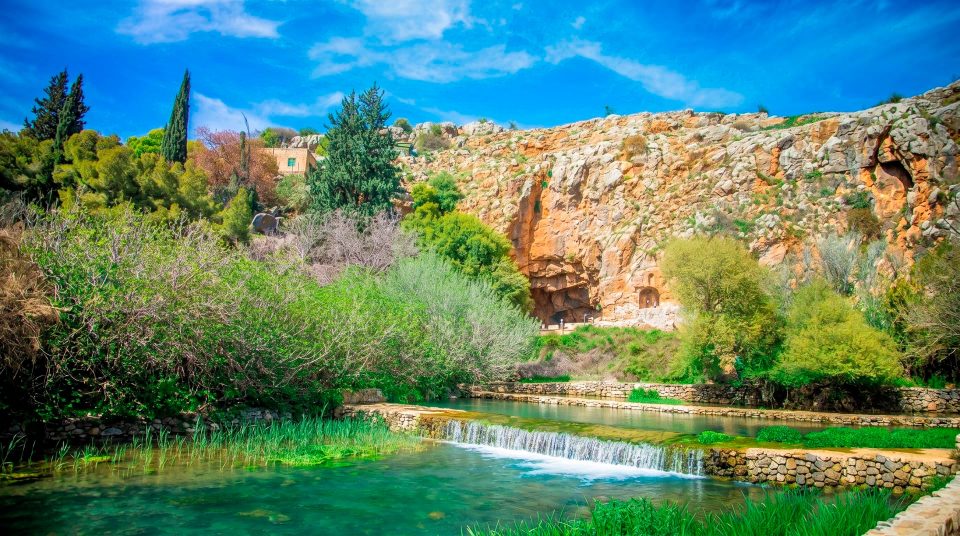
Near Metula, the Iyon Stream changes pace abruptly. Leaving its upper valley, it cuts into a canyon and drops towards the Hula Valley over a succession of rock ledges. At the Mill Waterfall, the masonry of an old flour mill becomes part of the scene; at Tanur, a tall column of water fills a narrow rock recess. These changing views give Iyon Stream Nature Reserve its character. The short approach to Tanur and a walk along the full waterfall sequence offer quite different introductions to the same gorge.
Waterfalls near Metula: the descent to the Hula Valley
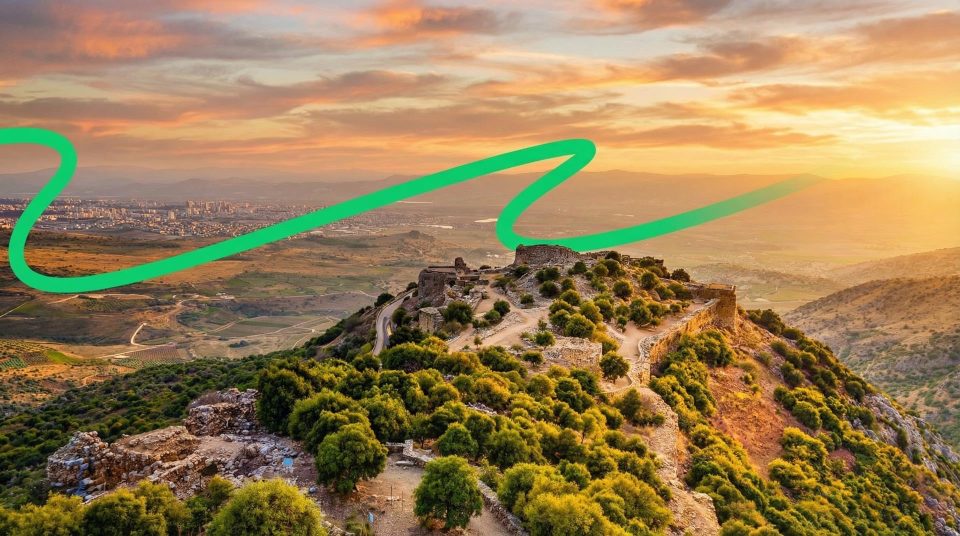
The Iyon rises in the Marjayoun Valley in southern Lebanon. East of Metula, the stream crosses a sharp break in the terrain and cuts a canyon before reaching the gentler ground of the Hula Valley. That change in elevation explains why so many waterfalls occur within a relatively short stretch. Following the channel over successive rock thresholds tells you more than an elaborate legend for each cascade would. Metula is the nearest town to use as a landmark, but the walk takes place in a separate protected natural area. Maps may label the stream Ayun, Iyyon or Nahal Ayun; these are alternative spellings of Iyon. It should not be confused with Nahal Amud near Safed, which lies in another part of Galilee and involves a different walking route.
Four names, four different waterfall settings
1
Iyon
The northern waterfall begins the sequence. Think of it as the first step down from the upper valley: farther along, the channel changes shape and the walls of the gorge become increasingly important to the view.
2
Tahana, the Mill Waterfall
The name refers to the remains of a flour mill beside the falls. Here the stream's working past is particularly clear. The drop provided energy for milling grain, giving this stretch of water a practical role in the life of the surrounding settlement.
3
Eshed
This cascade has two drops. As a result, descriptions may count either four named waterfalls or five individual falls. On the trail, the stepped shape of the channel is more revealing than deciding which way of counting is correct.
4
Tanur
The reserve's best-known waterfall plunges into a pronounced recess in the rock. Its height and close stone walls are especially striking from below. The view from above reveals more of the shape of the gorge surrounding the falls.
The heights of the main falls
21 mTahana Waterfall
30 mTanur Waterfall
2009 Summer water supplementation began
Tanur: look beyond the falling water
Tanur Waterfall can be a destination in its own right. From the lower viewpoint, the water draws a vertical line through the rock, and the enclosing recess makes its height easier to appreciate. Give yourself time to look. The falling stream attracts attention first; gradually the surrounding cliff, moisture-loving plants and contours of the eroded hollow become clearer. Several explanations have been offered for the name. One connects it with a tannur oven, another with a similar-sounding Arabic word for a skirt. Neither should be presented as a settled account of how the waterfall was named. In photographs, including an edge of the cliff helps preserve a sense of scale; a close crop of white water loses it. The approach follows a protected watercourse. It does not give permission to step beneath the falls, and the best permissible viewpoint is on the designated path.
Tahana and the mill that depended on the drop
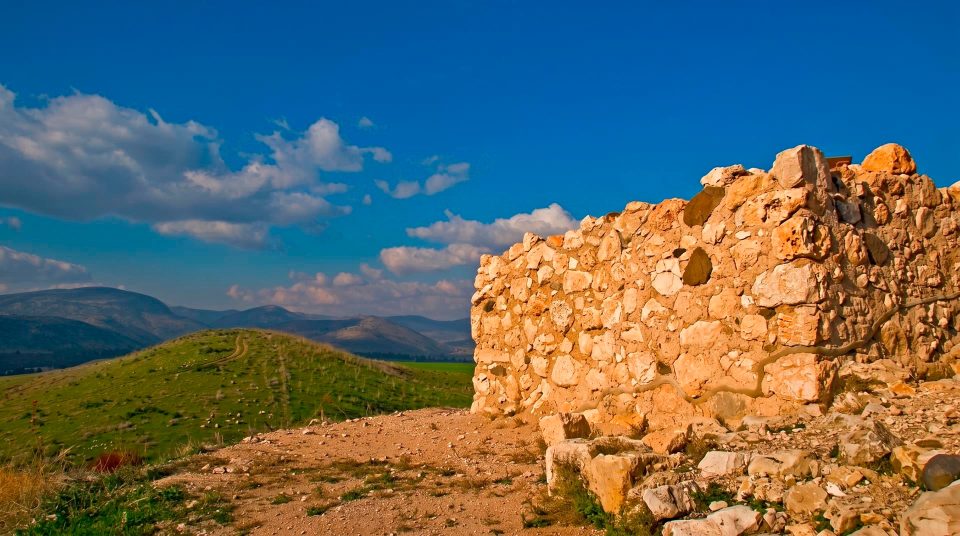
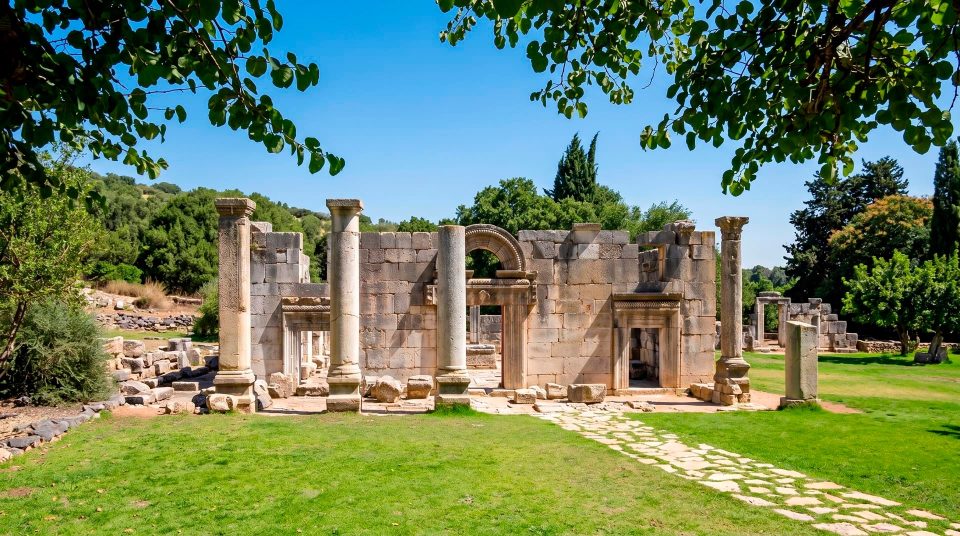
The remains of a flour mill stand beside Tahana Waterfall. The building makes the practical value of the terrain immediately understandable: moving water supplied the energy to grind grain. According to iNature, the mill was included in the purchase of Metula's lands for Baron Rothschild, was repaired and continued operating until the events at Tel Hai in 1920. At the ruins, look at the building's position in relation to the stream and consider why the mill was placed here. Even where only fragments of its machinery survive, the connection between the waterfall and the working structure remains legible. This stop brings a different history into the nature reserve. Beyond the water and cliffs were everyday tasks carried out by people whose livelihoods depended on a reliable flow and the grain harvest.
Ein Sukra and Metula’s water supply
Below the Mill Waterfall lies Ein Sukra spring, whose water served the residents of Metula until 1957. It broadens the human story of the gorge beyond a single ruined mill: the stream and its springs supplied several needs. As you walk, consider water flowing through the natural channel, powering an old mill and supplying a settlement as separate uses of the same resource. Each depended on season and water volume in a different way. Ein Sukra is a historical water-supply site, not a promised drinking-water stop for visitors. Carry your own supply. Evidence that people once drew water here says nothing about whether untreated spring water is safe to drink today.
Bringing summer water back to the Iyon
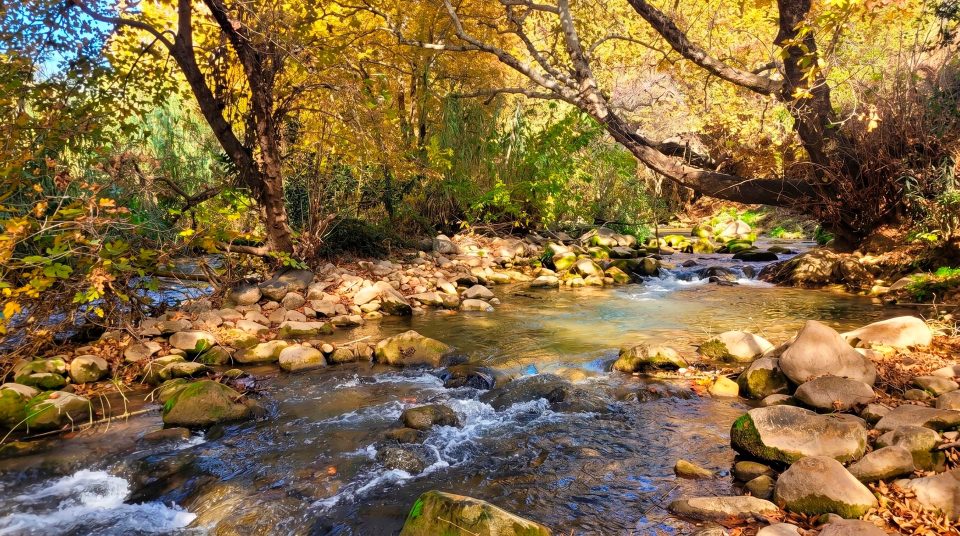
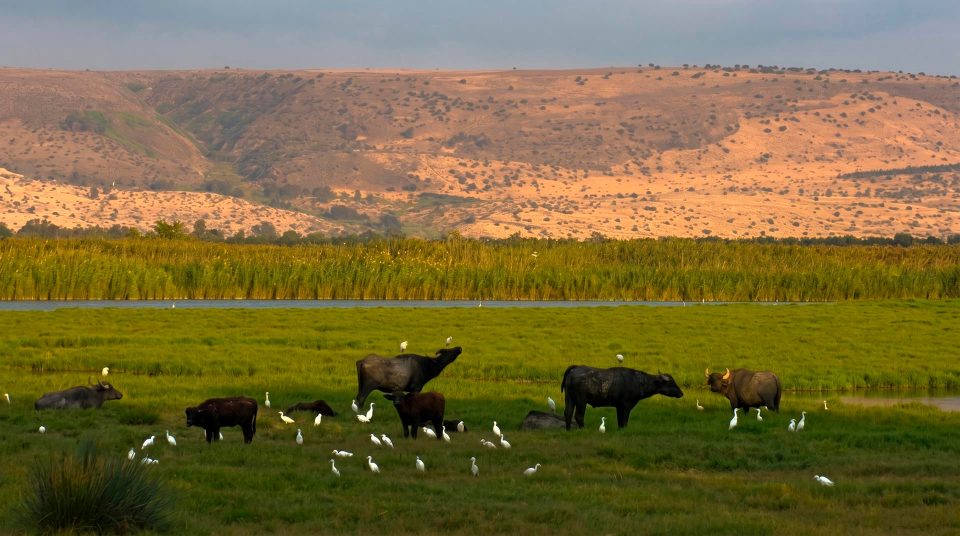
The stream is naturally spring-fed, but water from its upper course is used for agricultural irrigation. For a long period, the lower reaches largely dried out in summer. In 2009, the Israel Nature and Parks Authority arranged an additional dry-season supply from the Dan area to help sustain the ecosystem. This is an important part of the Iyon story: the flow visible in summer reflects deliberate environmental management as well as natural processes. Restoring water does not create a decorative stream with a fixed setting. Winter flow depends on rainfall, while summer supplementation serves a conservation purpose. Plants, fish and small aquatic habitats need the flowing water themselves. The wishes of visitors are therefore only one consideration in how this scarce resource is managed.
Different plants on the slope and beside the stream
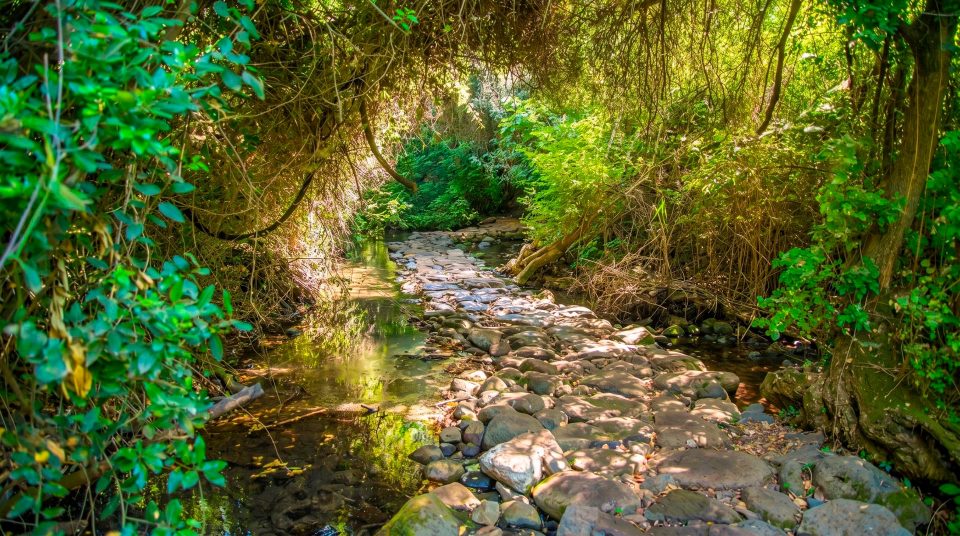
Look across the canyon from the exposed slopes to its damp floor. Mediterranean scrub includes terebinths, buckthorns and maples; closer to the water, willows, fig trees, oleander and brambles follow the channel. Spring anemones and cyclamens belong to one seasonal scene. Sea squills on the slope below Metula's cemetery belong to another, towards the end of summer. They should not be expected to flower together. Even without identifying every species, you can see the contrast between habitats. Where moisture is more dependable, denser vegetation accompanies the water. Observe it from the path. Climbing a slope to inspect a flower can damage the habitat and exposes you to loose or wet ground that adds nothing useful to the walk.
A short waterfall visit or a walk through the canyon
- Tanur from the lower entrance
- One main waterfall
- A way to see the best-known waterfall without committing to the whole sequence. The out-and-back route has a clear destination, but the condition of the approach and access to its final sections still need separate checking.
- A walk between the entrances
- Different cascades and the mill’s history
- Walking downhill gives the sequence Iyon, Tahana, Eshed and Tanur. Arrange your return to the starting point beforehand, and confirm that both entrances are operating for the route you intend to take.
- The viewpoint above Tanur
- The shape of the gorge from above
- This reveals the waterfall's rock recess from another level. Reaching the upper viewpoint involves different demands from the lower approach: assess the gradient and steps against your own walking ability.
- A less demanding day
- A specific section rather than the entire reserve
- Choose the usable part of the lower approach without automatically adding upper viewpoints or the full canyon. A visitor's individual needs matter more than a broad description of the route as family-friendly.
Why the two entrances change the plan
The lower access road branches off Route 90 north of Kfar Giladi. The upper entrance is reached from Metula. They are different starting points, so the destination in your navigation app needs to match your chosen walk. A descent through the canyon and a walk back up it involve very different levels of effort: returning on foot turns the route into an uphill hike. Do not rely on old reports of a regular visitor shuttle. For a point-to-point walk, work out transport between the two ends before setting off, rather than after reaching the lower car park. Without that arrangement, a straightforward out-and-back walk from one entrance is the clearer choice. Before travelling, confirm access to the specific entrance and trail you need, particularly in the upper section near Metula.
Waterfall season does not mean swimming season
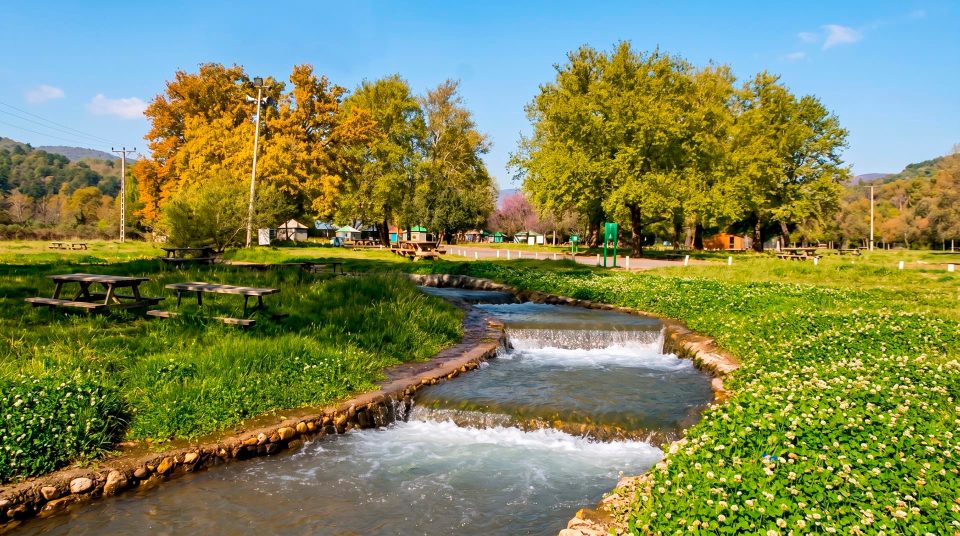
After rain, the force of the stream becomes the main spectacle. The cascades grow louder, and water has a more visible influence on progress through the gorge. Good grip on wet ground matters especially then. A summer visit reveals the effects of supporting the water system and gives time to examine the rock, although exposed sections remain hot. The Iyon is a place to watch waterfalls from a trail. Entering the natural stream channel along the visitor route is prohibited. Shallow recreational pools in the lower visitor area have a separate purpose and their own conditions of use. Even if cooling off is part of your day, Tanur itself should not be treated as a swimming spot. Keep the canyon walk separate from any time in water explicitly designated for recreation.
Details to notice between the waterfalls
- The different rock ledges Eshed descends in steps, while Tanur has a high, vertical drop. Comparing them directs attention to the shape of the channel, rather than producing a series of almost identical photographs of white water.
- The mill’s position Look at how the working building relates to the change in level. Avoid climbing its ruined walls: an overall view explains the arrangement better than inspecting the masonry from above.
- The transition from slope to stream bank Dry-loving shrubs grow very close to the damp strip beside the water. The change in vegetation shows how strongly water influences small patches of a single gorge.
- Views from below and above The lower view emphasises the waterfall's height; the upper view reveals the eroded recess and direction of the valley. Use only authorised viewpoints and choose approaches suited to your abilities.
Follow the gorge downstream
Questions about the Iyon waterfalls
- How many waterfalls are there? There are usually four named sections: Iyon, Tahana, Eshed and Tanur. Eshed has two drops, so descriptions also refer to five individual falls. Both counts describe the same sequence, using different ways of dividing it.
- Which is the highest waterfall? Tanur is the highest of the reserve's main waterfalls, at about 30 metres. Tahana reaches 21 metres. A waterfall's height does not mean that visitors may leave the designated path to approach its base.
- Do I have to walk through the whole gorge? No. You can make Tanur a separate visit from the lower entrance. The complete route adds the other cascades and the mill, but requires its own plan for transport back to your starting point.
- Is there water in summer? An additional summer supply from the Dan area has supported the ecosystem since 2009. Flow still varies. Base your walking plan on the access conditions that apply to your visit, rather than on an old photograph.
- Can I swim beneath Tanur? Entering the natural stream channel along the walking route is prohibited. The pools in the lower recreation area are separate facilities and may only be used when the relevant permission is in force.
- What survives beside Tahana? The remains of the flour mill that gave the waterfall its name. They show how the drop was used in Metula's working life. Below it is Ein Sukra spring, which was connected with the settlement's earlier water supply.
- Is the lower approach suitable for a pushchair or wheelchair? Much of the lower approach is described as an adapted path. That does not guarantee access to every viewpoint or the whole cascade. Before travelling, confirm both the exact point you want to reach and the condition of the route leading to it.