Apollonia National Park: A Majestic Stronghold on the Sea Cliff
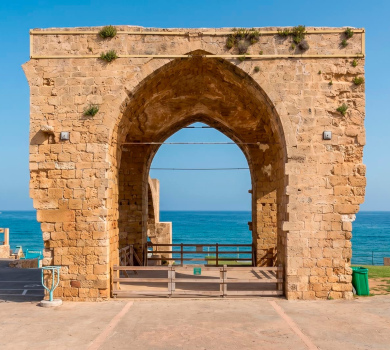
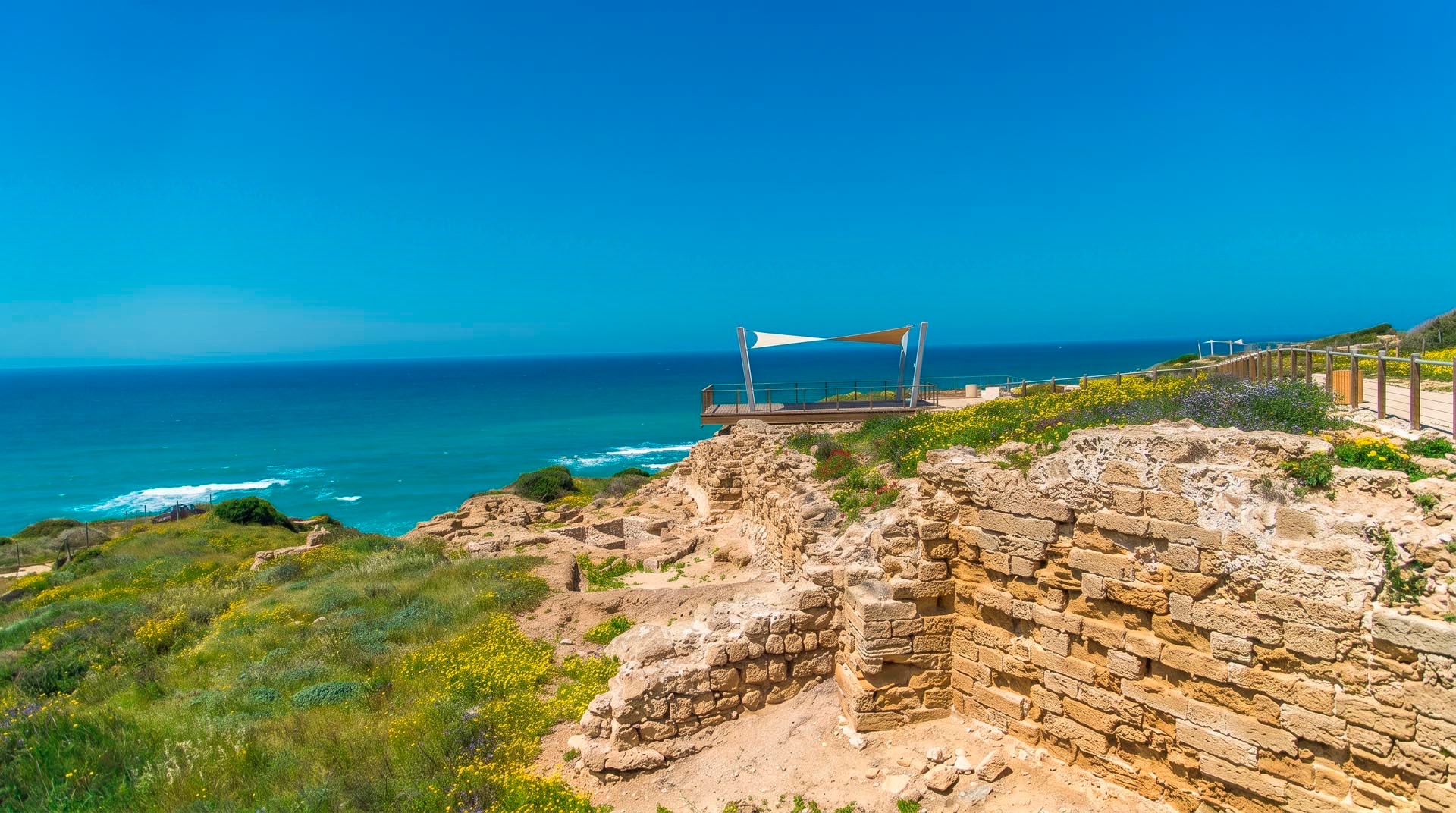
Apollonia National Park: also known by its ancient name Tel Arsuf: stands as one of the most remarkable archaeological and natural landmarks along the Mediterranean coast of Israel. Perched atop a steep sandstone cliff overlooking the waves near Herzliya: this site offers a breathtaking combination of historical grandeur and scenic beauty. The area occupied by Apollonia National Park has been inhabited for over two thousand five hundred years: serving as a vital port and cultural hub for numerous civilizations. Its story began in the 6th century BCE when the Phoenicians: famous sea traders of antiquity: established a settlement here and named it after their god Reshef. During the Hellenistic period: the city was renamed Apollonia due to the identification of Reshef with the Greek god Apollo. Today: Apollonia National Park serves as an open air museum where visitors can witness the architectural achievements of the Romans: Byzantines: and Crusaders. The Nativa travel portal invites you to explore the rugged ruins of Apollonia National Park: where the salty sea breeze carries the echoes of ancient maritime glory.
Must See Landmarks and Archaeological Highlights:
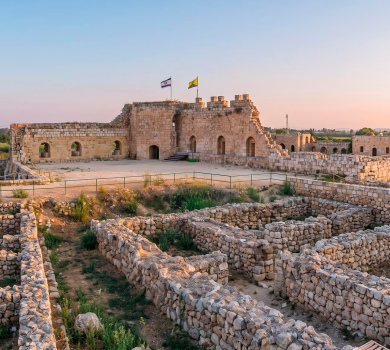
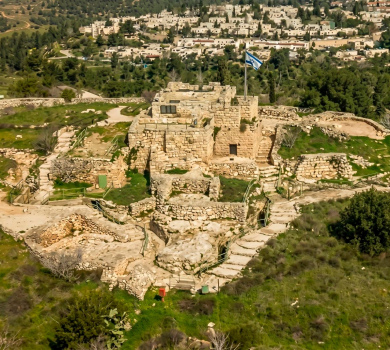
- The Magnificent Crusader Castle: The crown jewel of Apollonia National Park. This formidable fortress was constructed in the mid 13th century CE by the knights of the Hospitaller Order. It represents the pinnacle of medieval military engineering: featuring a complex system of defensive walls: a deep dry moat: and a massive central keep. While exploring the grounds of Apollonia National Park: you can walk through the knight halls: massive vaulted storage rooms: and the kitchens that once provided food for hundreds of defenders. The stones of this fortress still bear the marks of the heavy siege engines used by the Mamluk army.
- The Luxurious Roman Villa: Located at the southern tip of Apollonia National Park: these ruins showcase a sprawling estate from the 1st century CE. Archaeologists discovered thirty five rooms arranged around a central courtyard: highlighting the extreme wealth of the city’s elite. Every room in this villa within Apollonia National Park was designed to offer panoramic views of the Mediterranean Sea. The site remains a testament to the sophisticated lifestyle that existed here before it was destroyed by a powerful earthquake in the early 2nd century CE.
- Byzantine Glass Industry Center: Apollonia National Park preserves the remains of massive industrial furnaces from the 6th century CE. During this time: the city was a leading producer of raw glass blocks which were exported to major cities across the Byzantine Empire. Scientific analysis of the findings at Apollonia National Park has shown that local craftsmen utilized advanced chemical techniques to produce high quality transparent glass. This discovery solidifies the city's reputation as a critical economic center in ancient times.
- The Cliffside Accessible Trail: A beautifully maintained walking path provided by Apollonia National Park. The trail runs along the very edge of the cliff: offering unique perspectives of the ancient port submerged in the sea below and the collapsed sections of the fortification walls. Apollonia National Park prioritizes visitor safety and heritage preservation: implementing ongoing engineering projects to stabilize the cliff and protect these priceless artifacts.
Military History and Global Legacy:
The site where Apollonia National Park now stands was the stage for one of the most significant military engagements of the Third Crusade. In September eleven ninety one: the armies of Richard the Lionheart and Saladin met here in the famous Battle of Arsuf. The Crusader victory ensured their control over the coastal plain for another century. Apollonia National Park honors this history by offering tours that explain the battle tactics used on these fields. However: the Crusader era came to a violent end in twelve sixty five when Sultan Baibars captured the fortress after a grueling forty day siege. To prevent future Crusader landings: Baibars ordered the total destruction of the city walls. For centuries after: the area of Apollonia National Park remained a silent witness to its glorious past: hidden under layers of dust until modern excavations brought it back to light.
Visitor Information and Opening Hours:
Please be advised: entry to Apollonia National Park is strictly prohibited without prior registration via the official visit coordination system. Entry to the site closes exactly one hour before the official closing time. Given its location on an eroding cliff: we strongly suggest checking the Nativa portal for any weather related closures before your trip to Apollonia National Park.
- Summer Working Hours: From Sunday to Thursday and Saturday: the park is open from eight in the morning until five in the evening. On Fridays and holiday eves: the site closes at four in the afternoon.
- Winter Working Hours: Apollonia National Park closes its gates one hour earlier: at four PM: with final entry allowed until three PM.
- Holiday Schedule: On the eves of Rosh Hashanah: Passover: and Yom Kippur: Apollonia National Park closes early at one PM.
- Cliff Safety Notice: For your protection: do not cross any safety barriers or attempt to descend to the water in unauthorized zones. Always refer to the official website of the Israel Nature and Parks Authority for real time safety updates regarding Apollonia National Park.
- Accessibility Features: The park provides paved paths suitable for wheelchairs and strollers: ensuring that the history of Apollonia National Park can be enjoyed by everyone.
Nativa Insider Recommendations:
- Ideal Visit Timing: We highly recommend visiting Apollonia National Park during the late afternoon. As the sun dips toward the horizon: the ancient limestone walls glow with a golden hue that is perfect for photography.
- Essentials to Bring: Ensure you have sturdy walking shoes: a hat: and plenty of water: as most of Apollonia National Park is exposed to direct sunlight.
- For Photo Enthusiasts: Apollonia National Park provides some of the best sunset angles in central Israel: where ancient history meets the infinite horizon of the sea.
The Nativa portal guarantees that your visit to Apollonia National Park will be a memorable experience. It is not just a walk through ruins: it is a deep encounter with the heritage of humanity: flavored by the sea wind and stories of chivalry. Discover the enduring magic of the cliffside at the magnificent Apollonia National Park.





_840x0_bdc.webp "Apollonia National Park Interesting Places in the Center")
_840x0_bdc.webp "Apollonia National Park Interesting Places in the Center")
_840x0_bdc.webp "Apollonia National Park Interesting Places in the Center")
_840x0_bdc.webp "Apollonia National Park Interesting Places in the Center")
_840x0_bdc.webp "Apollonia National Park Interesting Places in the Center")
_840x0_bdc.webp "Apollonia National Park Interesting Places in the Center")
_840x0_bdc.webp "Apollonia National Park Interesting Places in the Center")
_840x0_bdc.webp "Apollonia National Park Interesting Places in the Center")
_840x0_bdc.webp "Apollonia National Park Interesting Places in the Center")
_840x0_bdc.webp "Apollonia National Park Interesting Places in the Center")
_840x0_bdc.webp "Apollonia National Park Interesting Places in the Center")
_840x0_bdc.webp "Apollonia National Park Interesting Places in the Center")