

Where to Go in Israel: Beautiful Routes, Nature and Ideas for a Getaway
Share this article with:
A route begins with the mood of the trip
Where to go in Israel depends not only on the map, but also on how you want this day to feel. Israel can be discovered through ancient cities, the desert, the sea, northern hills, national parks, oases, archaeological sites and quiet roads between small communities. In this country, distances often make it possible to combine several different impressions, but a good route begins not with the number of stops, but with choosing the right direction.
One traveler may want to see Jerusalem and feel the depth of history. Another may feel closer to the Dead Sea, salt, desert light and silence. Families with children may enjoy Caesarea, Rosh HaNikra, Yarkon Park or Soreq Cave. Those looking for nature should look toward Galilee, the Sea of Galilee, Ein Gedi, Ramon Crater and Timna. That is why the answer to where to go in Israel is best found through the season, the mood and the style of the trip.
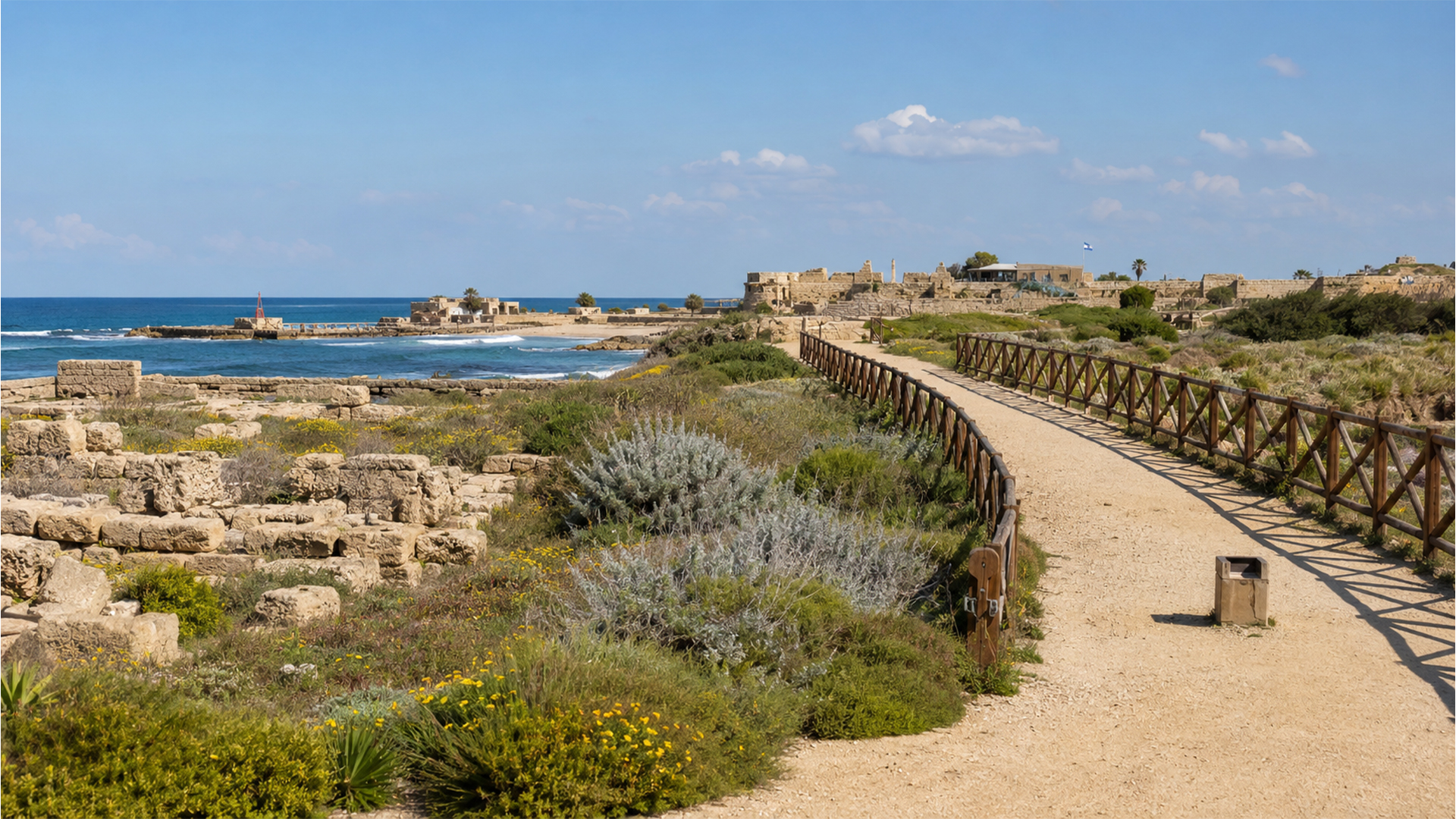
Where to go in Israel for the first time
When choosing where to go in Israel for the first time, most travelers want to see places that quickly help them feel the country. Jerusalem, Jaffa, the Dead Sea and Masada work well for such a route. These are not just famous points on the map, but different images of Israel: an ancient city, a port by the sea, a salty lake in the desert and a fortress on a high plateau.
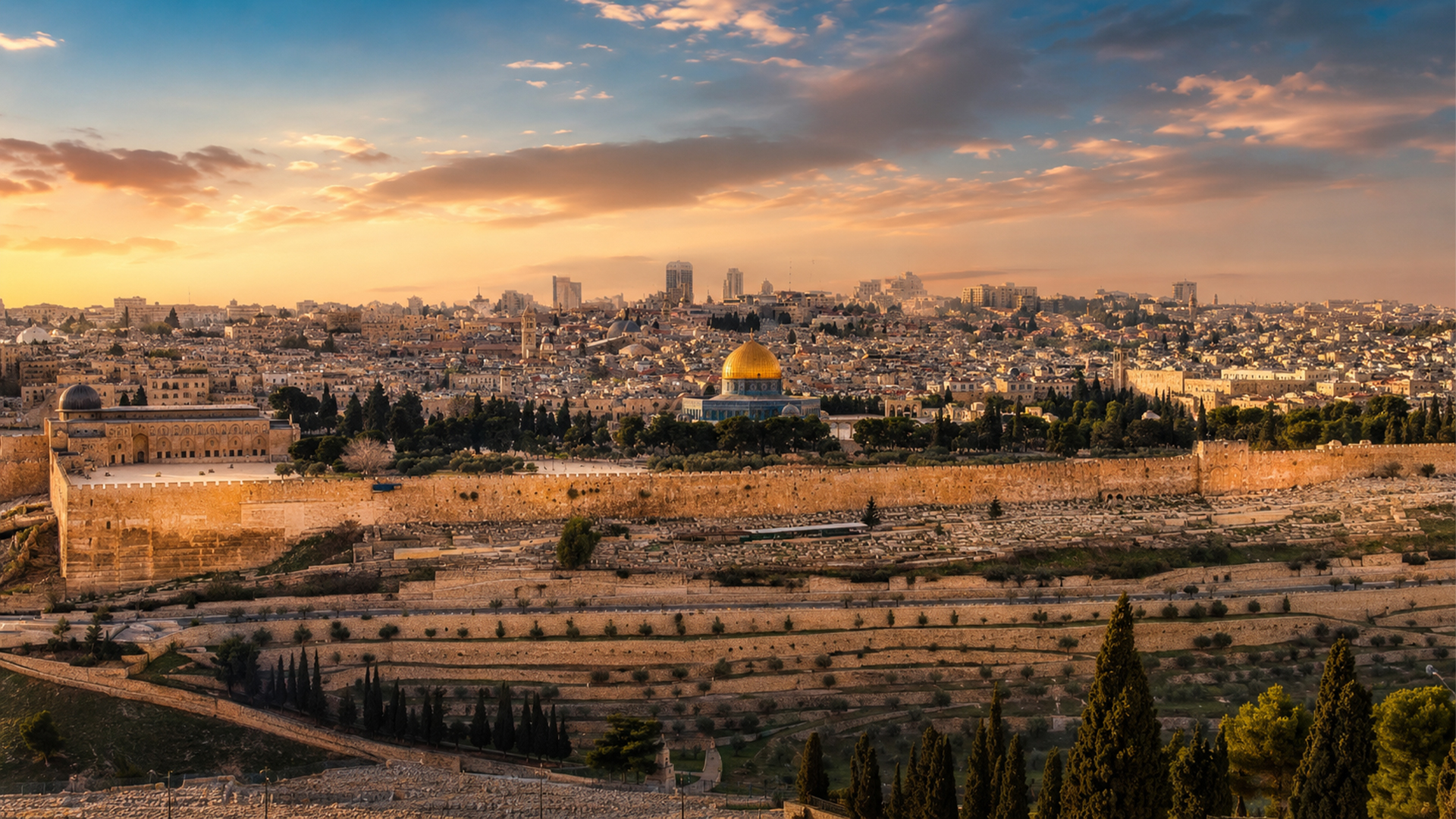
Jerusalem should not be seen in a hurry. The Old City, its quarters, walls, markets and holy sites ask for time and attention. Here, history does not feel like a museum display. It lives in stone, sounds, smells, narrow streets and evening light. Jaffa has a different rhythm: the sea, an old port, stone lanes, galleries, cafés and a view of modern Tel Aviv.
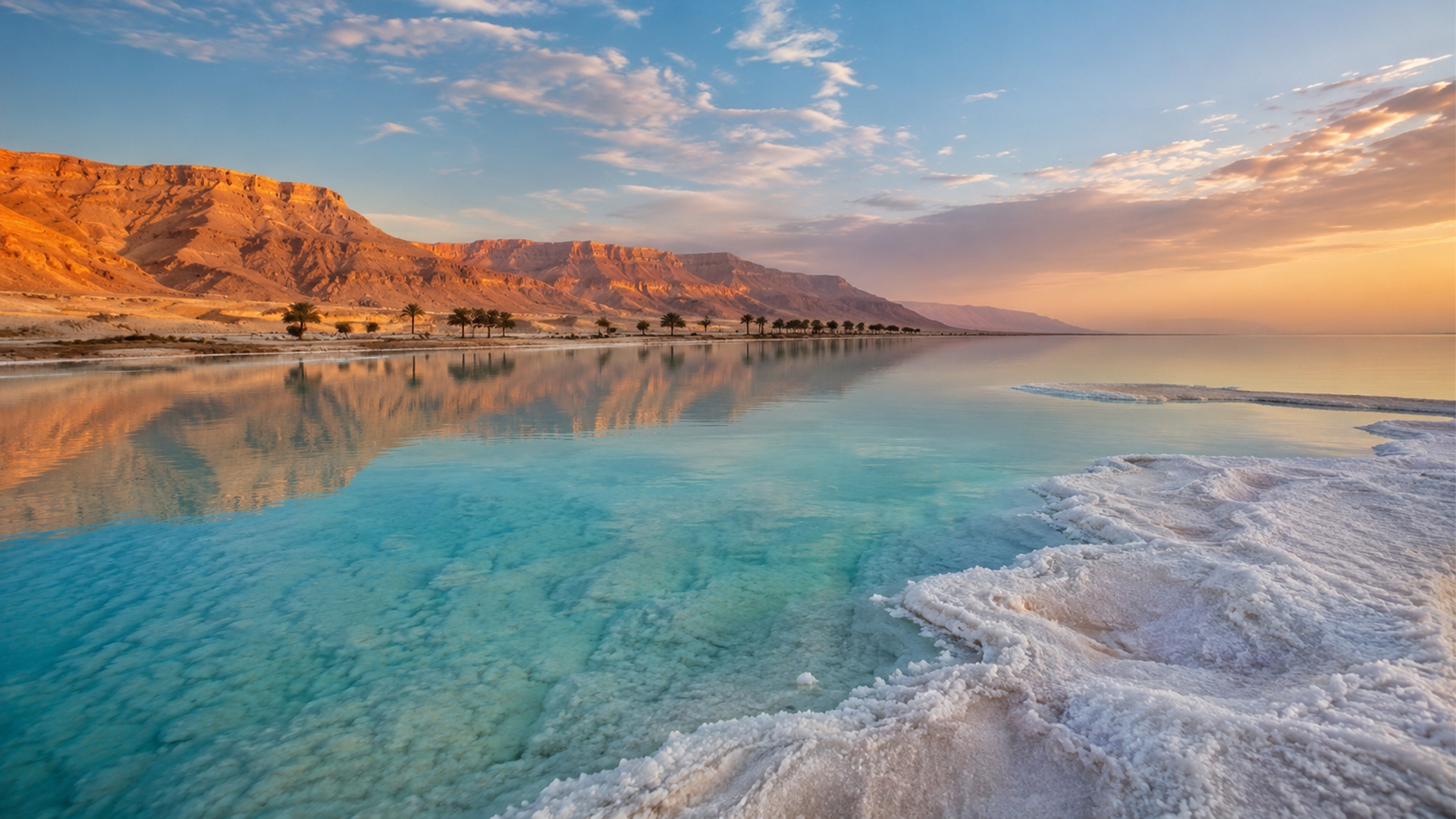
The Dead Sea and Masada are often combined into one rich route. Masada, included on the UNESCO list, is known as a natural fortress in the Judean Desert, where King Herod built a palace complex. After the historical part, you can descend to the Dead Sea, see the salty shore, the desert slopes and feel the rare density of the water.
Where to go in Israel for nature
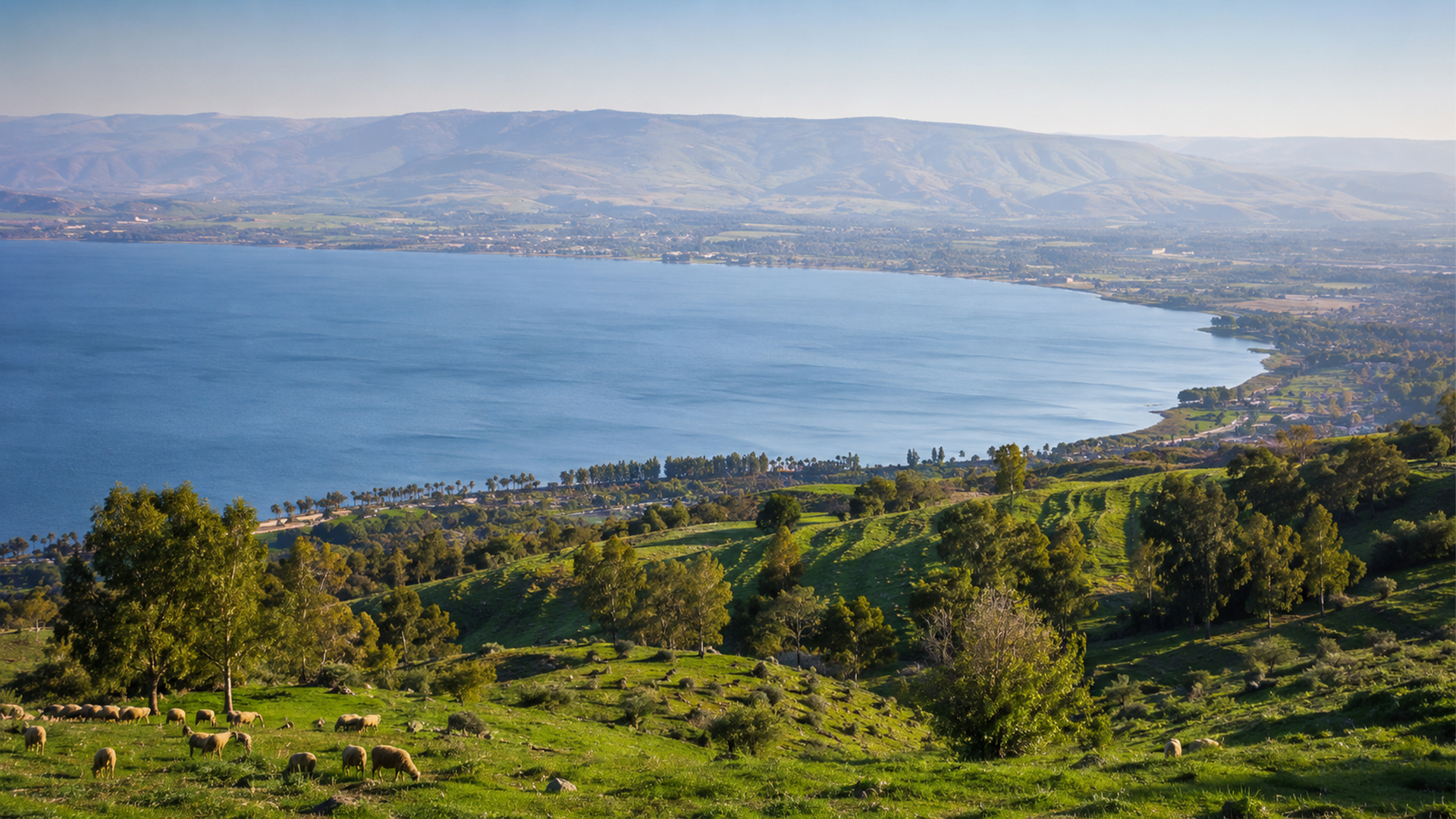
If you want to understand where to go in Israel for nature, it is better to think not only in terms of north or south, but in terms of landscape. Galilee and the area around the Sea of Galilee offer soft hills, water, green areas, lookout points and a calm holiday rhythm. It is convenient to stay in a guesthouse or cabin here, build a route without rushing and combine short walks with time by the water.
Ein Gedi by the Dead Sea shows a different natural contrast. Among the dry slopes of the Judean Desert, streams, waterfalls, greenery and animals appear. It is one of those places where you can clearly see how water changes a landscape. Ramon Crater in the Negev, more accurately Makhtesh Ramon, reveals Israel through geology: a huge natural form created by erosion, stone layers, dry streambeds and the feeling of a vast desert space.
In the north, Rosh HaNikra leaves a strong impression. White cliffs, sea grottoes and the sound of the waves create an almost theatrical landscape. This place is easy to include in a route along the northern coast together with Acre or Galilee.
| Trip style | Where to go | Why choose it |
|---|---|---|
| First introduction | Jerusalem, Jaffa, the Dead Sea, Masada | History, sea, desert and the country’s most recognizable images |
| Nature and beautiful views | Ein Gedi, Galilee, the Sea of Galilee, Ramon Crater, Rosh HaNikra | Water, greenery, desert, grottoes and lookout points |
| Trip with children | Caesarea, Yarkon Park, Soreq Cave, Rosh HaNikra | Clear routes, vivid impressions and convenient stops |
| History and archaeology | Jerusalem, Acre, Caesarea, Masada, Beit Guvrin | Ancient cities, fortresses, ports and underground spaces |
| Unusual landscapes | Timna Park, Ramon Crater, the Dead Sea, the Eilat Mountains | Desert light, red rocks, salt, stone and open space |
Where to go in Israel for a weekend
For those deciding where to go in Israel for a weekend, it is worth choosing a region where you can not only visit a place, but also stay overnight close to nature. Galilee, the Sea of Galilee area, the northern coast, the Negev and the surroundings of Mitzpe Ramon are all good directions for this kind of getaway. Staying in a guesthouse or cabin changes the feeling of the trip: the route becomes calmer, with time for an evening view, morning coffee, a short walk and unhurried stops.
The north offers a soft and green style of rest. You can choose Galilee, a walk by the Sea of Galilee, a trip to Acre or Rosh HaNikra. The south suits those looking for quiet, a starry sky, desert views and a sense of space. The Ramon Crater area is especially beautiful in the morning and closer to sunset, when the light softens the stone layers and makes them feel deeper.
Where to go with children and what to consider
A family route is best built around places with clear visiting logic, convenient infrastructure and a strong impression without too much physical effort. Caesarea is good for a walk by the sea with history, Rosh HaNikra for grottoes and the cable car, Yarkon Park for easy urban rest, Soreq Cave for meeting the underground side of nature, and Ein Gedi for a route with water and greenery in the right season.
- Before the trip, check the opening hours of national parks and whether reservation is required.
- For summer routes, choose early morning or evening hours.
- In desert areas, check the forecast and flash flood warnings after rain.
- For a family trip, check shade, toilets, parking and route length in advance.
- If you plan to stay overnight, choose a place that does not make you start the morning with a long drive.
When to plan the trip
The season strongly affects the choice of route. In spring, Galilee, Carmel, the Sea of Galilee and flowering routes are especially beautiful. In summer, it is better to choose the sea, water, shaded parks and walks in the early morning or evening. In autumn, cities, the coast, archaeological parks and northern routes are comfortable to explore. In winter, the Dead Sea, Masada, the Negev and Ramon Crater open up beautifully, but before traveling into the desert it is important to check the weather.
| Season | Where to go | What to consider |
|---|---|---|
| Winter | The Dead Sea, Masada, the Negev, Ramon Crater | Desert routes are more comfortable, but after rain you need to check warnings |
| Spring | Galilee, Carmel, the Sea of Galilee, Ein Gedi | Greenery, flowering and pleasant weather make walks especially beautiful |
| Summer | Eilat, the Sea of Galilee, the coast, shaded parks | It is better to choose water, shade and short routes in the morning or evening |
| Autumn | Jerusalem, Acre, Caesarea, Rosh HaNikra | The weather becomes softer, making it easier to walk in cities and by the sea |
How to build a route without rushing too much
The answer to where to go in Israel becomes simpler when you first choose the main focus. History leads to Jerusalem, Masada, Acre and Caesarea. Nature leads to Galilee, Ein Gedi, the Sea of Galilee and Ramon Crater. The sea leads to Jaffa, Caesarea, Rosh HaNikra and Eilat. The desert leads to the Dead Sea, Timna and the Negev.
A good route does not have to include every famous place. Sometimes one well-chosen region stays in memory more strongly: a day by the water in the north, an evening in an old city, a walk through sea grottoes or a night beside the desert. Israel is beautiful precisely because each time you can choose a different pace and see the country from a new side.
When planning your route, think not only about the road, but also about the time of day. The sea feels especially pleasant in the morning and at sunset, the desert is more beautiful in soft light, and old cities are easier to enjoy toward evening, when the heat fades and the stone streets take on a warmer color. This way, the trip feels calmer, more beautiful and memorable not only for the places themselves, but also for the atmosphere.
95 views