

What to See in Israel: Main Places, Seasonal Highlights and Beautiful Routes
Share this article with:
Israel revealed through places and seasons
What to see in Israel depends not only on the route, but also on the season, the mood of the trip and the way you want to experience the country. Here, you can begin the day in an ancient city, continue by the sea, and by evening see a desert landscape or stop in a quiet northern village. Israel is small in size, but rich in impressions: history, nature, archaeology, sea, mountains, desert and seasonal phenomena are closer to one another than they may seem on the map.
This article will help you choose not just famous points, but living directions for a trip. Israel has places worth seeing for the first time, nature routes that are especially beautiful in a particular season, and phenomena that people plan dates around: anemone blooming in the south, bird migration in the Hula Valley, the starry sky in the Negev and the soft winter desert.
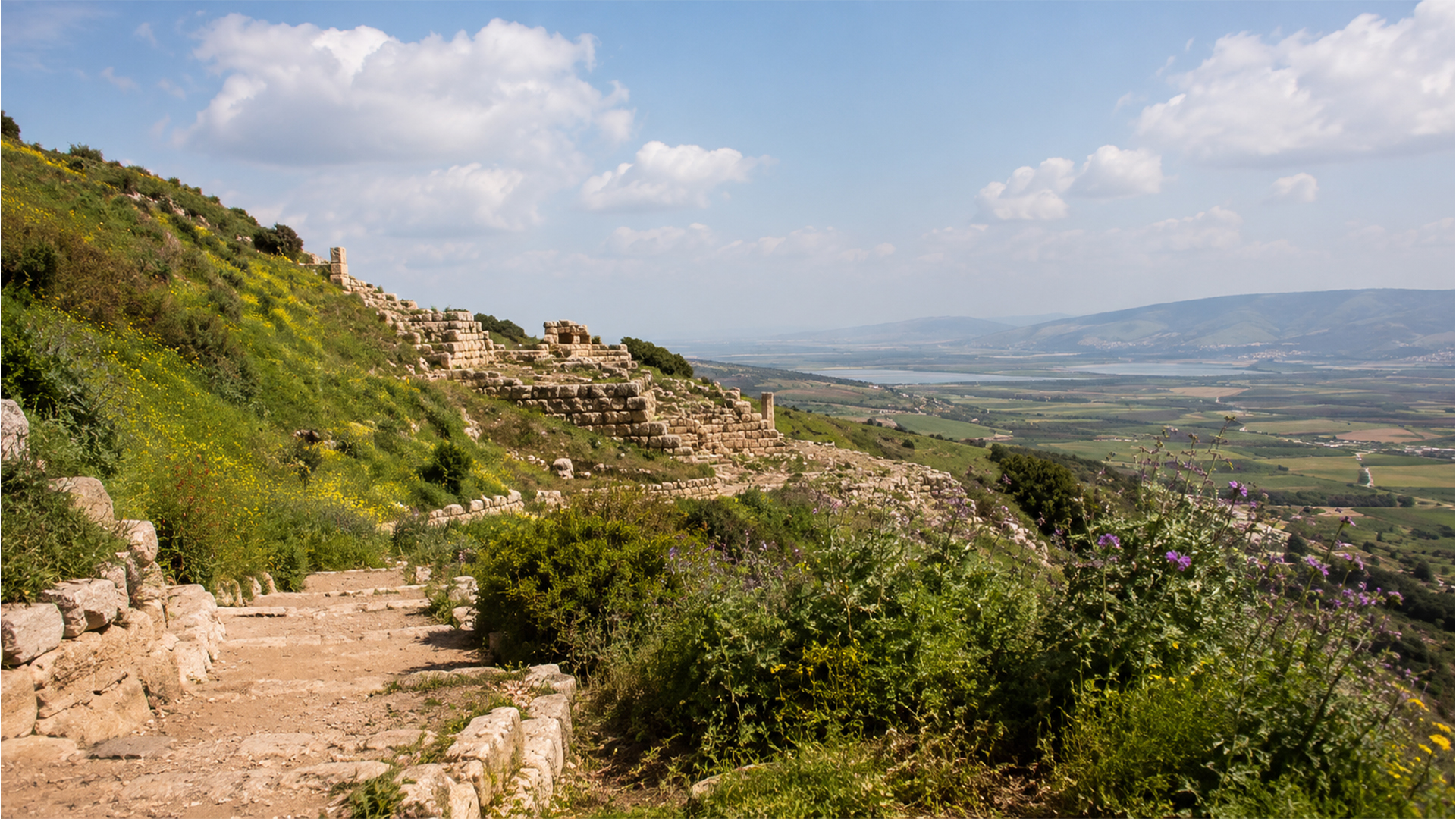
What to see in Israel for the first time
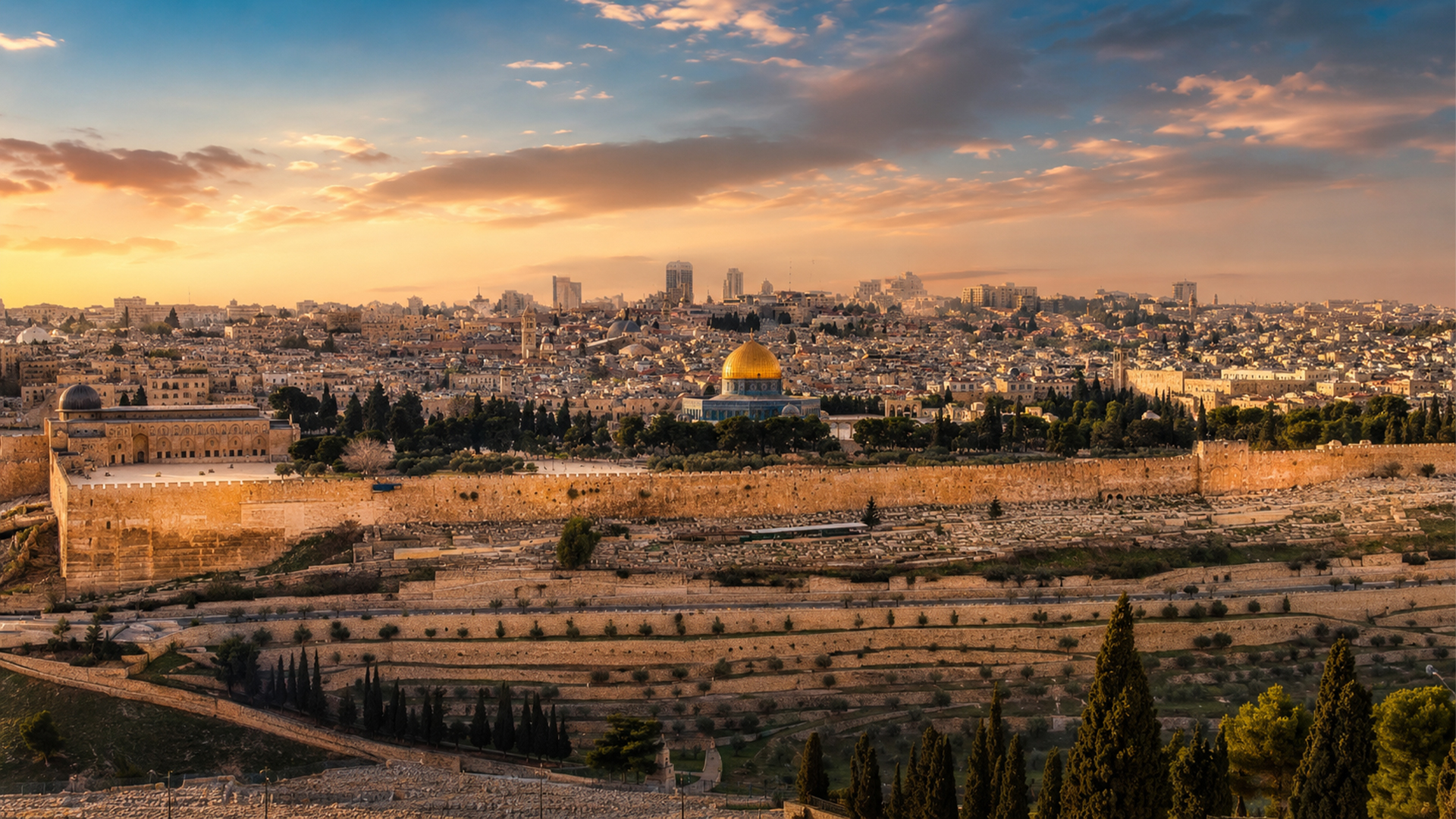
If you are deciding what to see in Israel on your first trip, start with places that show different sides of the country. Jerusalem gives depth of history and culture. The Old City, stone streets, quarters, markets and holy sites are best explored without rushing, leaving time not only for the main landmarks, but also for the atmosphere of the city itself.
Jaffa reveals a softer coastal image of Israel: an old port, stone lanes, galleries, cafés and a view of Tel Aviv. Caesarea connects archaeology with the Mediterranean Sea: an ancient port city, Roman and Crusader remains, an open shoreline and a walk by the water. Acre is a good choice for those who love living historical cities, where walls, a market, a port, underground halls and everyday urban life exist side by side.
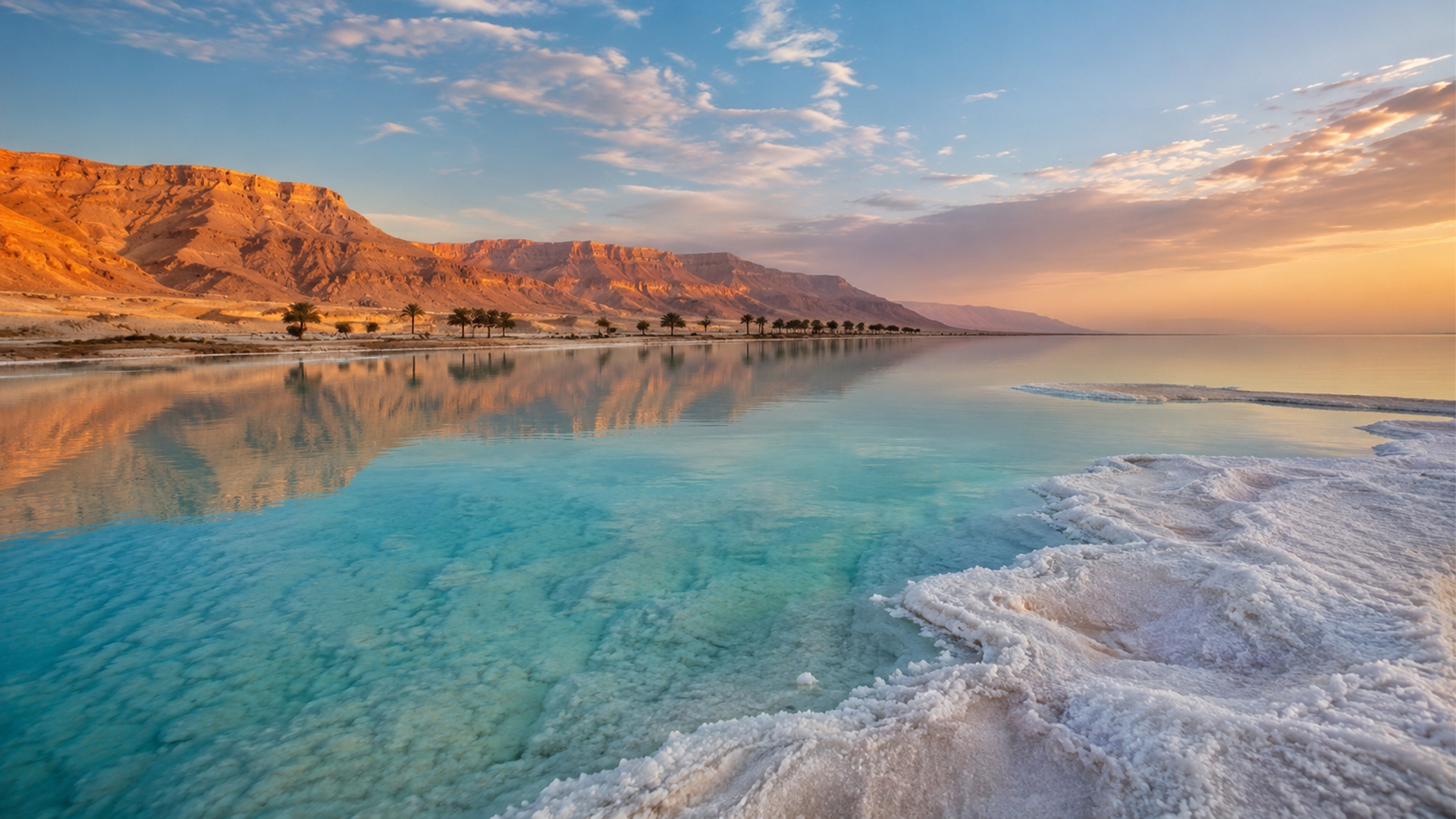
The Dead Sea and Masada add desert drama to the route. Masada, a natural fortress above the Judean Desert, is connected with Herod’s palace complex and is included on the UNESCO list. After Masada, you can descend to the Dead Sea, see the salty shore and feel the unusual density of the water.
History, sea and ancient cities
Israel’s historical places are especially powerful because they do not feel detached from life. In Jerusalem, antiquity is felt in stone and in the sound of the streets. In Acre, history opens out toward the sea and the market. In Caesarea, ruins appear against the background of the waves. In Jaffa, the old port stands beside the modern city.
For a traveler looking for what to see in Israel not only for photos, these places offer more than a list of attractions. They help you understand how the country changed, which cultures passed through its cities and why one route can connect biblical history, Roman architecture, Ottoman streets and contemporary Israeli life.
Nature, sea and desert: routes for a beautiful trip
Israel’s nature reveals the country no less than its ancient cities. Ein Gedi by the Dead Sea shows a rare contrast: among the dry slopes of the Judean Desert, streams, waterfalls, greenery and animals appear. This is a good place for those who want to see water inside a desert landscape.
Ramon Crater, more accurately Makhtesh Ramon, is one of the most expressive natural places in the Negev. It was not formed by a meteor impact, but by long geological processes and erosion. The Israel Nature and Parks Authority describes it as the largest and most impressive makhtesh. The views from the rim are especially beautiful in the morning and closer to sunset, when the desert light becomes softer.
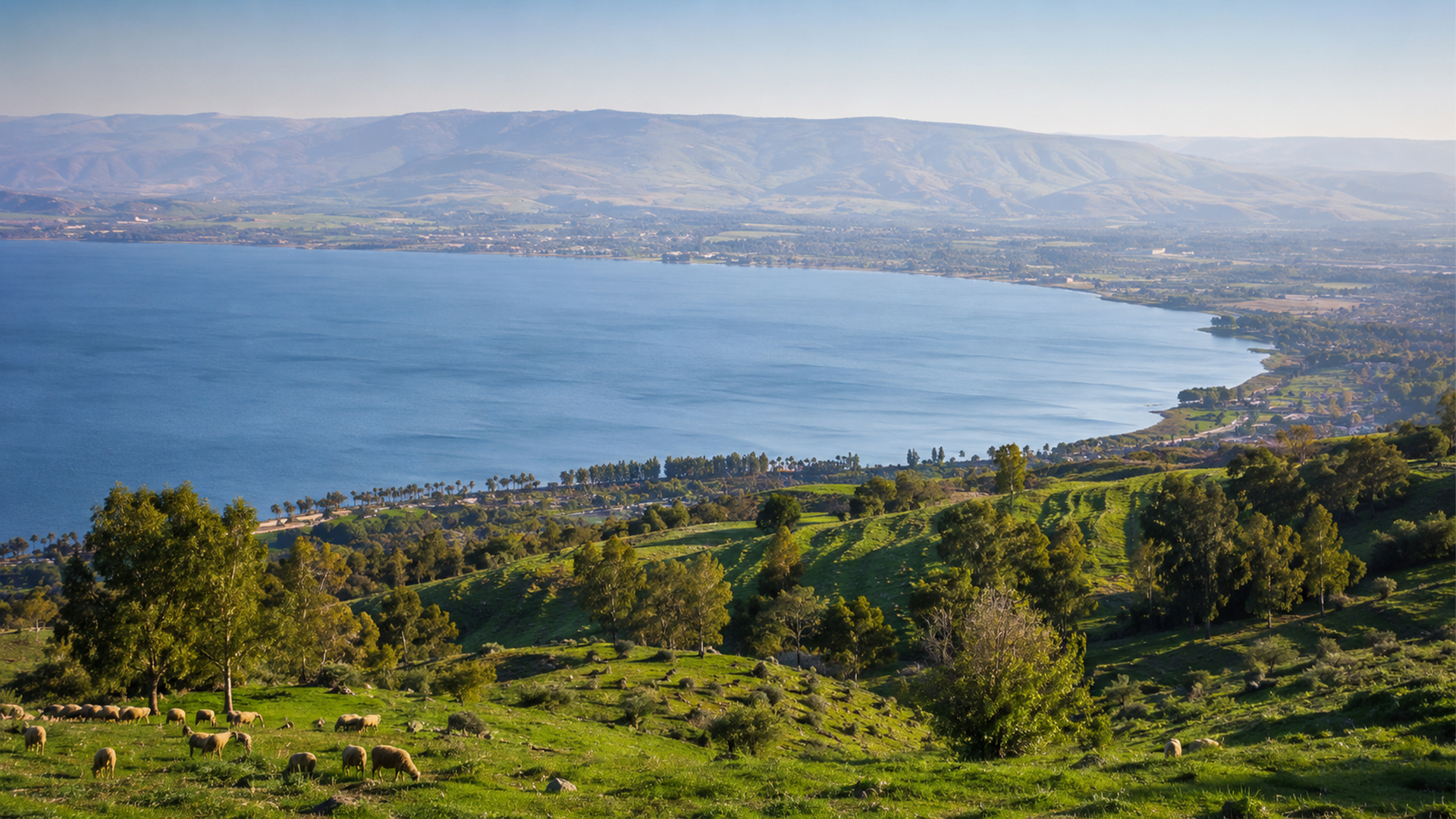
In the north, it is worth paying attention to Galilee, the Sea of Galilee and Rosh HaNikra. Galilee offers green hills, water, lookout points and calm stays in zimmers. The Sea of Galilee is good for routes by the water. Rosh HaNikra is remembered for its white cliffs and sea grottoes, where the sound of the waves turns a short walk into a strong natural impression.
| Trip format | What to see | Why choose it |
|---|---|---|
| First trip | Jerusalem, Jaffa, the Dead Sea, Masada | History, sea, desert and the country’s most recognizable images |
| Nature | Ein Gedi, Galilee, the Sea of Galilee, Rosh HaNikra | Water, greenery, cliffs, grottoes and soft northern views |
| Unusual places | Beit Guvrin, Soreq Cave, Timna Park, Ramon Crater | Caves, geology, red rocks and underground spaces |
| History and archaeology | Caesarea, Acre, Masada, Jerusalem | Ancient cities, fortresses, ports and layered history |
What to see in Israel by season
Seasonality matters a lot in Israel. The same route can feel very different in winter, spring, summer and autumn. In winter, the desert regions are especially rewarding: the Dead Sea, Masada, Ein Gedi, the Negev and Ramon Crater. It is easier to walk, the light is softer and the desert feels deeper and calmer. After rain, it is essential to check the forecast and flash flood warnings in streambeds.
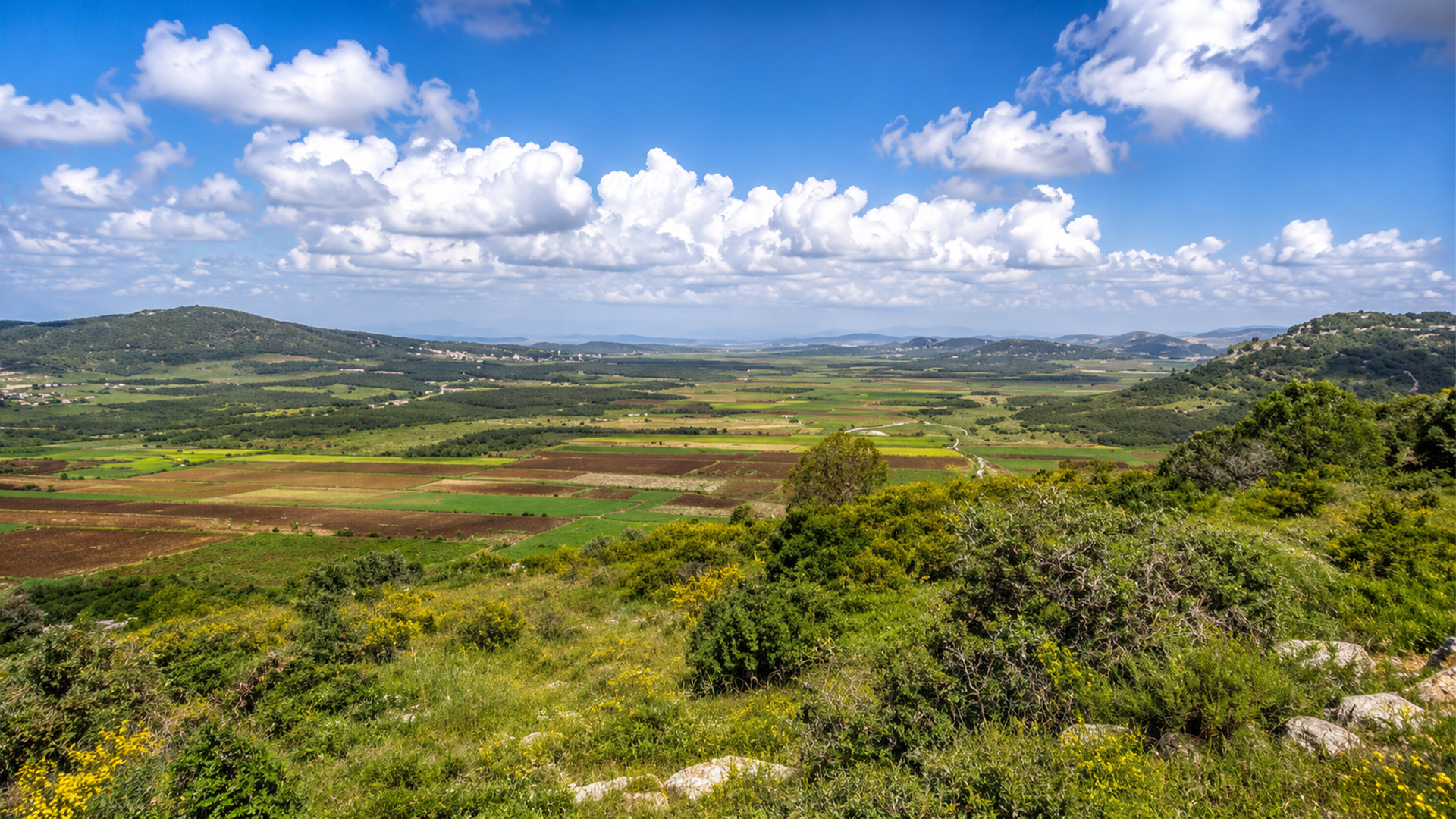
In spring, it is worth looking toward the north, Carmel, Galilee, the Sea of Galilee and nature routes with greenery and flowering. In the south, after the winter rains, the season of red anemones usually begins. The Darom Adom festival is connected with the blooming of kalaniyot in the northern Negev, but specific dates and access should be checked before the trip, because nature depends on rainfall and seasonal conditions.
In summer, the question of what to see in Israel is better answered through water, shade and evening routes. The coast, the Sea of Galilee, Eilat, parks and short walks in the morning or closer to sunset can work well. Another summer idea is the night sky in the Negev. In August, many people follow the Perseids, one of the best-known meteor showers of the year. For viewing, it is better to choose dark places far from city light pollution, such as the Mitzpe Ramon area, and check the sky forecast.
In autumn, the Hula Valley is a beautiful direction. This area is known for birdwatching, and the Hula Reserve is considered an important place for waterbirds. The autumn months are also convenient for city walks in Acre, Caesarea, Jaffa and Jerusalem, as the heat gradually becomes softer.
| Season | What to see | Why it is interesting |
|---|---|---|
| Winter | The Dead Sea, Masada, Ein Gedi, the Negev | Desert routes are more comfortable, the views are softer and there is less summer heat |
| Spring | Galilee, Carmel, the Sea of Galilee, anemone blooming | Greenery, flowers, pleasant weather and beautiful nature routes |
| Summer | Eilat, the Sea of Galilee, the coast, the starry sky in the Negev | It is better to choose water, sea, evening walks and stargazing |
| Autumn | Hula Valley, Acre, Caesarea, Jerusalem | Bird migration, mild weather and comfortable city walks |
Seasonal highlights: anemones, birds and the night sky
If you want to see Israel at its most alive, follow the natural calendar. Anemone blooming in the south turns a dry landscape into a red field. In the Hula Valley, birdwatching shows the country as part of a huge migration route between continents. In the Negev, the night sky reminds you that the desert is beautiful not only by day, but also after sunset.
These phenomena make the answer to what to see in Israel more interesting. Sometimes the strongest impression does not come from a famous monument, but from the right moment: the first flowers after the rains, flocks of birds over water, the silence of the desert at night or golden light on the stones of an old city.
How to choose a route for your style of travel
If you want to understand what to see in Israel in one day, choose a compact route: Jerusalem, Caesarea, Acre, Rosh HaNikra or the Dead Sea with one additional stop. For a weekend, it is better to choose a region: Galilee, the Sea of Galilee, the Negev, the Dead Sea area or the northern coast. This gives you time not only for the road, but also for rest.
- For a first trip, Jerusalem, Jaffa, the Dead Sea and Masada are good choices.
- For nature, choose Ein Gedi, Galilee, the Sea of Galilee, Rosh HaNikra or Ramon Crater.
- For unusual impressions, consider Soreq Cave, Beit Guvrin and Timna Park.
- For a seasonal trip, follow anemone blooming, bird migration and stargazing conditions.
- Before visiting national parks, check opening hours, reservation rules and weather warnings.
The main thing is not to build a route only by how famous a place is. It is better to choose the theme of the trip: history, nature, sea, desert, a seasonal phenomenon or a family day out. Then what to see in Israel becomes not a general question, but a clear plan, and the trip itself becomes more beautiful and calmer.
When planning a trip, look at the natural calendar as well. Sometimes it is better to choose not the most famous place, but the right season: anemone blooming in February, spring in Galilee, the August night sky in the Negev or autumn in the Hula Valley with migrating birds. A route like this feels more alive, because you see Israel not only as a country of landmarks, but as a place where nature changes the mood of travel with every season.
80 views