

Landmarks in Israel: Main Places, Routes and Ideas for a Trip
Share this article with:
A country where history and nature go side by side
Landmarks in Israel are striking because very different worlds sit so close to one another here. In one trip, you can see the ancient walls of Jerusalem, the salty surface of the Dead Sea, the Roman port of Caesarea, the white grottoes of Rosh HaNikra, the green routes of Galilee and the desert views of Ramon Crater. Israel does not require long journeys between eras and landscapes: history, sea, desert, archaeology and nature are often only a few hours apart.
That is why getting to know the country is better approached not as a dry list of points, but as a living route. Some places help you feel ancient history, others reveal natural contrasts, and others offer calm rest by the water or a beautiful walk at sunset. This article brings together landmarks in Israel that can suit a first trip, a family day out, a photo route or a deeper introduction to the country.
Landmarks in Israel to start with
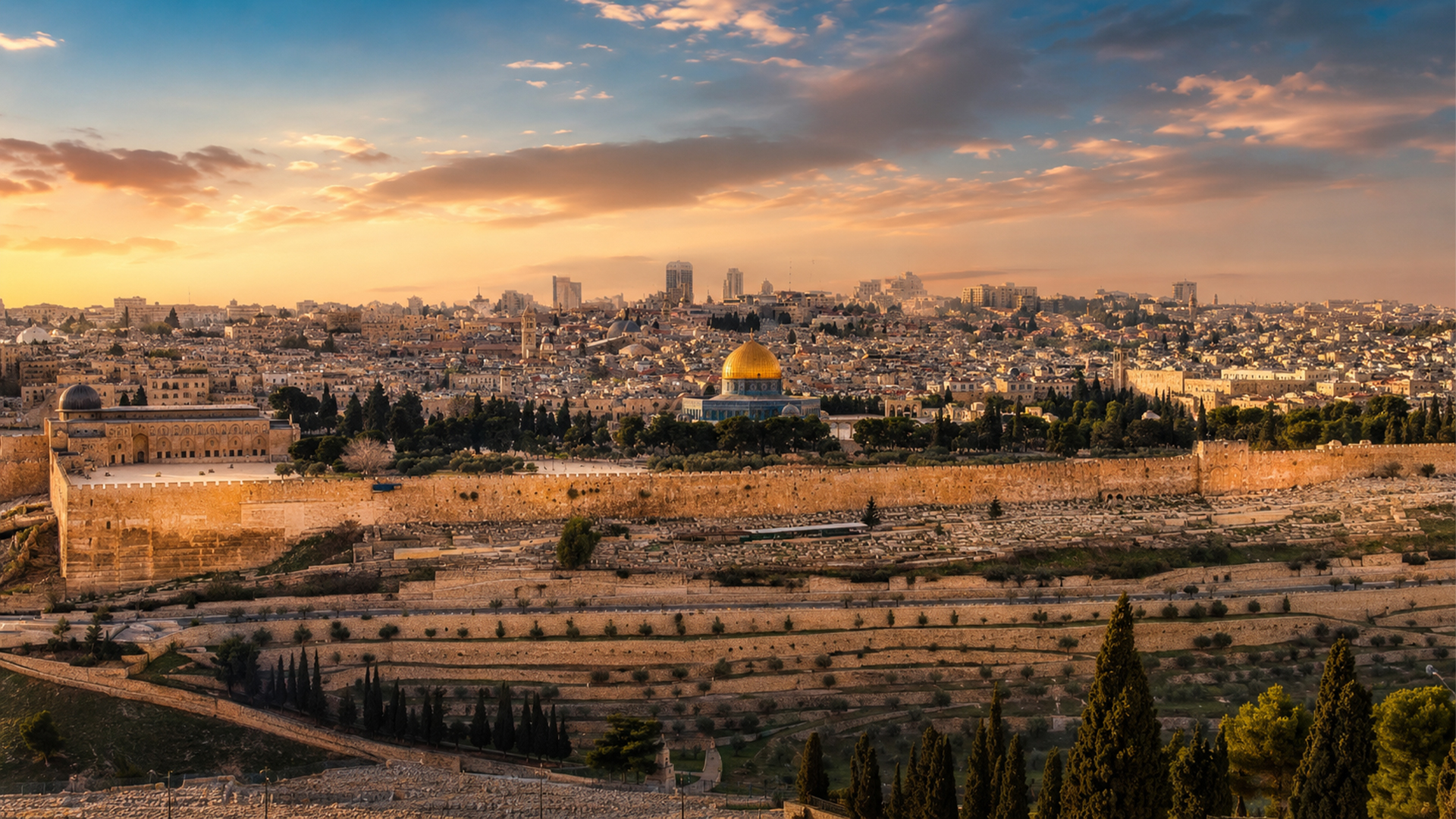
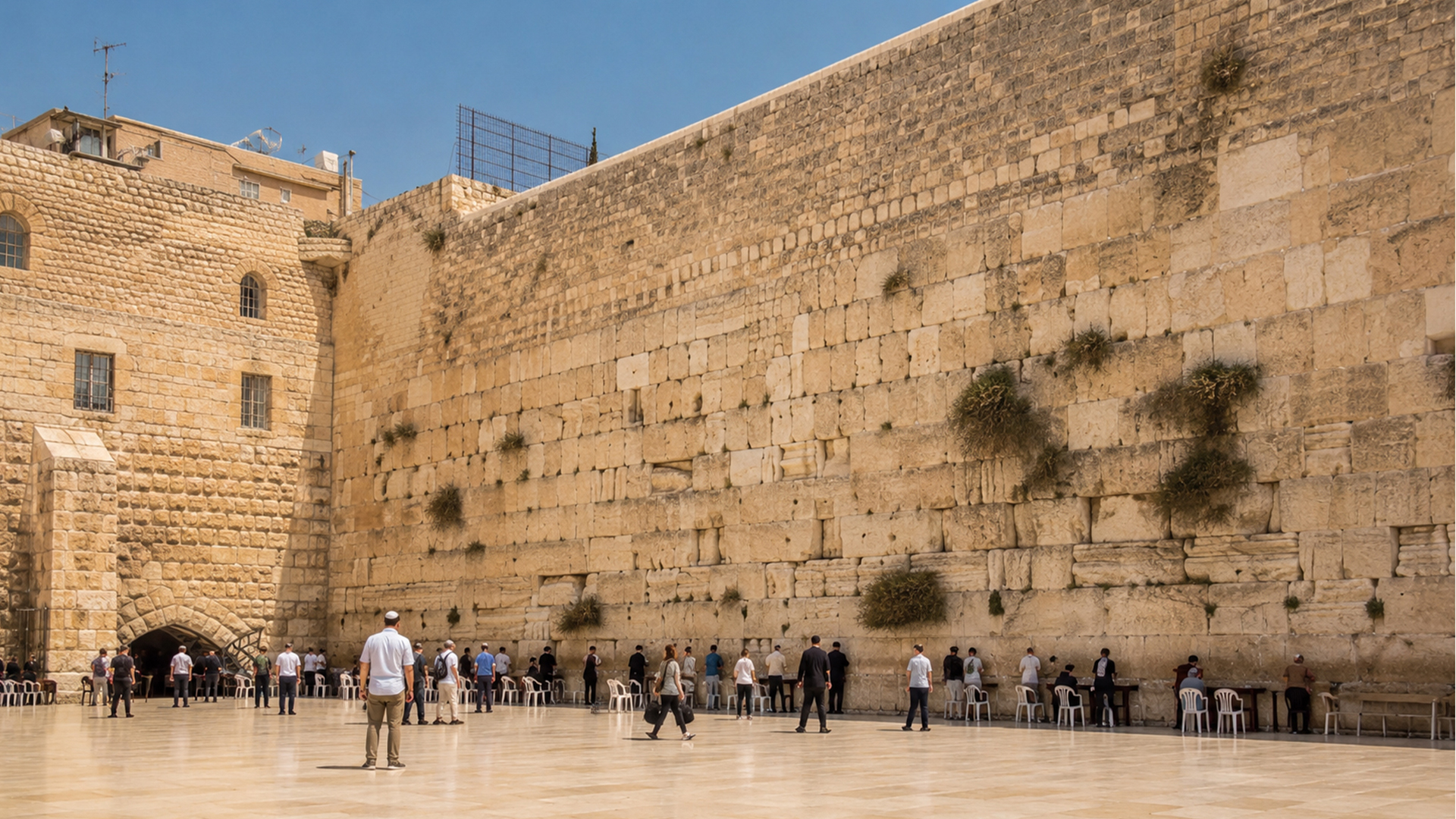
Jerusalem almost always becomes one of the main points on the route. The Old City, its walls, holy sites, narrow streets and different quarters make a walk here rich and emotional. UNESCO notes Jerusalem’s special significance for Judaism, Christianity and Islam, as well as the large number of historic monuments inside the Old City. Here, it is important not to rush: it is better to choose a few key places and leave time simply to walk through the streets, hear the voices of the market, see the stone in the evening light and feel the rhythm of the city.
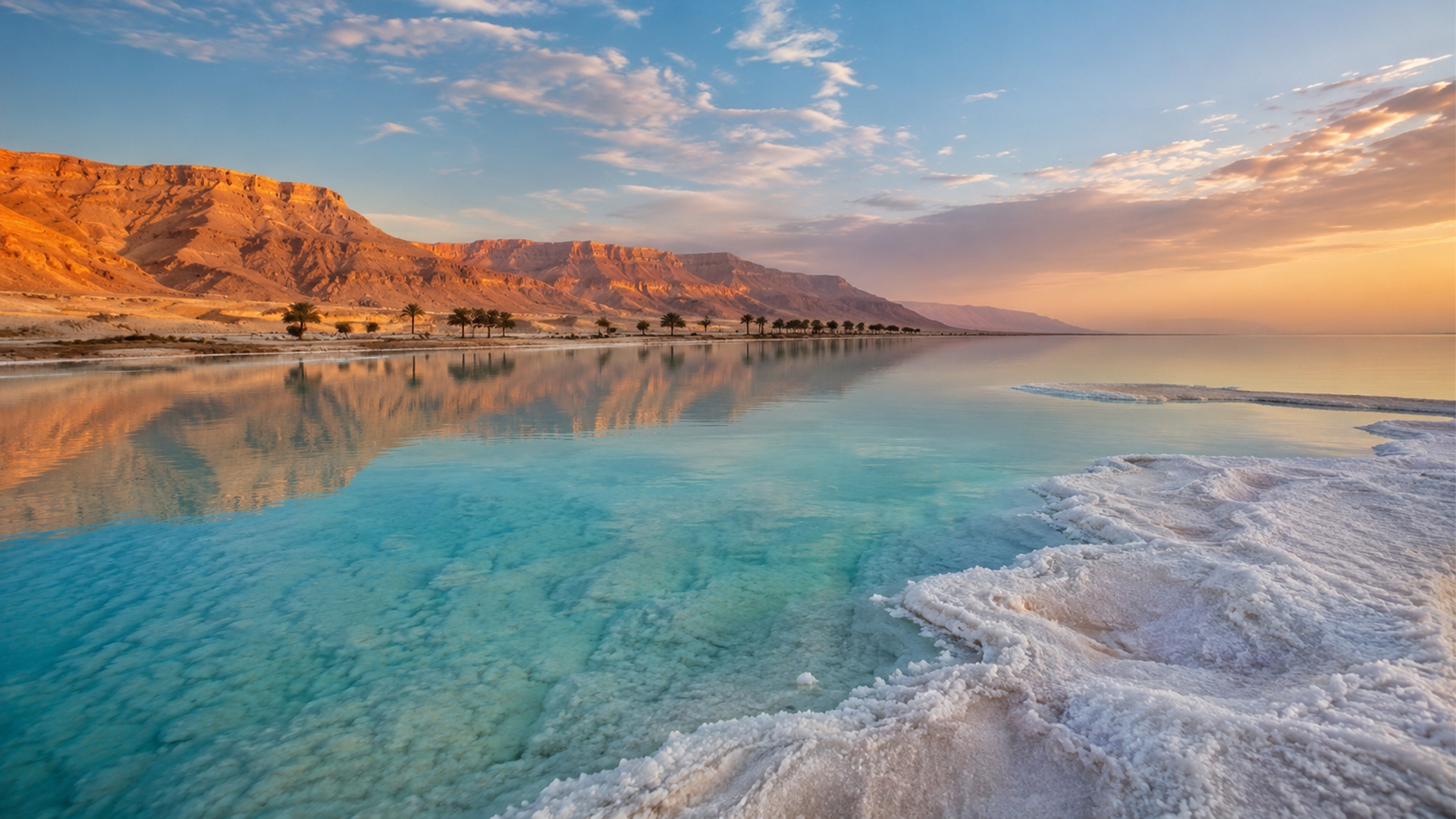
The Dead Sea reveals a completely different image of the country. It is a salty lake surrounded by the Judean Desert, where water, salt, dry air and light create an almost unreal landscape. A trip to the Dead Sea is easy to combine with Masada and Ein Gedi. Such a route gives three impressions at once: floating in dense salty water, visiting an ancient fortress above the desert and walking through an oasis with streams and greenery.
Masada holds a special place among historical sites. It is a natural fortress above the Dead Sea, where King Herod built a palace complex. Today, Masada is seen not only as an archaeological site, but also as a powerful lookout point: the desert, cliffs and salty lake below create a rare sense of open space.
Historical places in Israel where the past is visible in stone
Caesarea is a good choice for those who love history by the sea. The national park preserves traces of an ancient port city from the Roman and Crusader periods. Here, archaeology and the Mediterranean landscape come together especially beautifully: the theater, stone remains, sea air and walk along the shore create the feeling of a city that continues to live through its ruins.
Acre reveals northern Israel through its port, walls, markets and underground halls. The Old City of Acre is included on the UNESCO list, and its Crusader and Ottoman layers are visible not only in museums, but also in the urban fabric itself. Here, it is pleasant not only to see monuments, but also simply to walk through narrow streets, come out to the sea, enter the market and feel how history remains part of everyday life.
Beit Guvrin and Maresha show another side of historical Israel. This is not a fortress and not a port, but an entire underground world. Thousands of chambers were carved here into soft chalk rock and used in different periods. Bell caves, underground spaces and archaeological routes make Beit Guvrin one of the most unusual places for those who want to see history not behind glass, but inside the landscape itself.
| Place | Main impression | Who it may suit |
|---|---|---|
| Jerusalem | Holy sites, ancient walls, historic quarters | For a first introduction to the country’s culture and history |
| The Dead Sea | Salty water, desert views, rest and unusual nature | For a calm trip, bathing and beautiful photos |
| Masada | A fortress above the desert and panoramas of the Dead Sea | For lovers of history, archaeology and powerful views |
| Caesarea | An ancient port, Roman ruins and the Mediterranean Sea | For a seaside walk with a historical mood |
| Acre | Old city, port, market and underground halls | For those who love living historical cities |
Natural landmarks in Israel: sea, desert, grottoes and oases
Nature routes make travel in Israel especially expressive. Ein Gedi by the Dead Sea shows how water appears among the dry slopes of the Judean Desert. Streams, waterfalls, greenery and animals create a strong contrast with the stony landscape around them. This place is a good choice for those who want to combine desert and living nature in one route.
Ramon Crater in the Negev, more accurately Makhtesh Ramon, is a rare geological form created by long processes of erosion. The Israel Nature and Parks Authority describes it as the largest and most impressive makhtesh. The view from the rim in Mitzpe Ramon is especially beautiful in the morning or closer to sunset, when the stone layers become softer in color and the desert feels almost endless.
Rosh HaNikra in the north of the country gives a completely different impression. Here, white cliffs meet the Mediterranean Sea, and inside the rock are grottoes created by water, waves and cracks in the stone. It is one of those places where a natural form looks almost theatrical: the sound of the sea, reflected light, white walls and blue water create a strong visual effect.
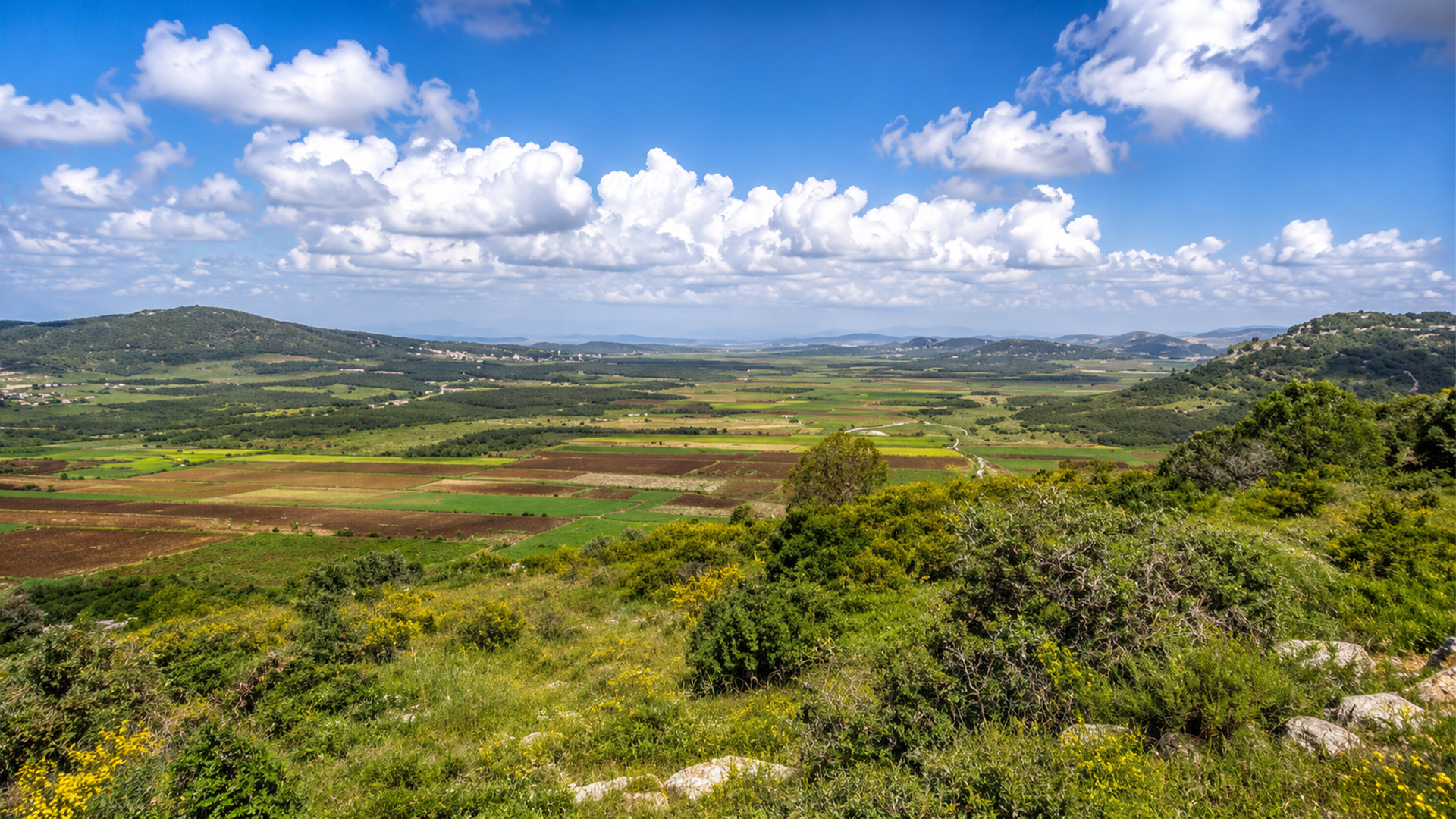
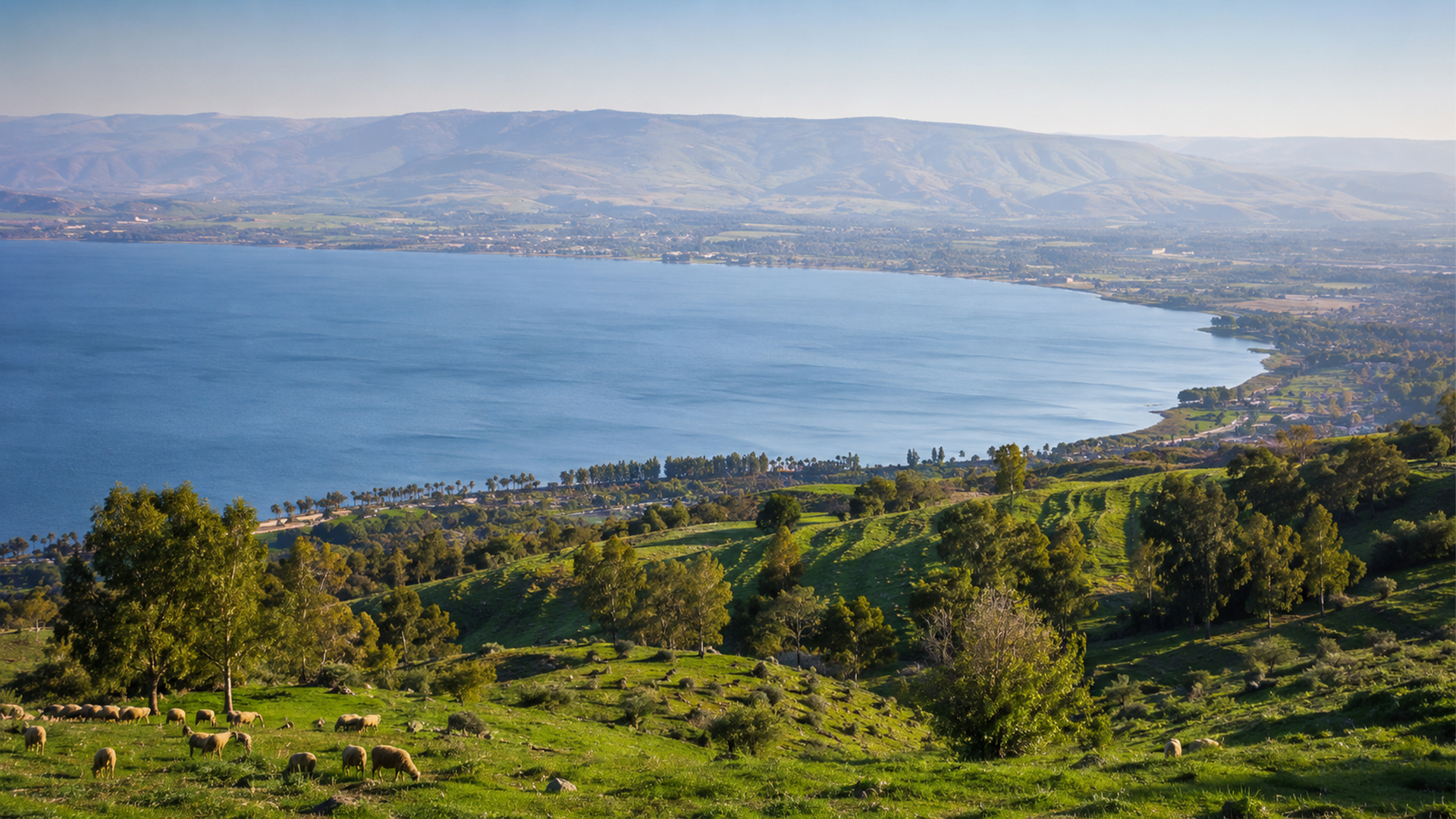
Galilee and the Sea of Galilee are suitable for a softer route. Hills, the lake, green areas, lookout points and small communities create a calm northern rhythm. This is a good area to stay overnight, choose a cabin or guesthouse near nature, build a route without rushing and connect walks with rest by the water.
How to choose a route through landmarks in Israel
To avoid overloading the trip, it is better to choose places by mood. For a first introduction, Jerusalem, the Dead Sea, Masada, Tel Aviv and Jaffa can work well. Such a route connects history, sea, desert and urban atmosphere. For a nature trip, look toward Ein Gedi, Ramon Crater, Rosh HaNikra, Galilee and the Sea of Galilee. For archaeology and ancient cities, choose Caesarea, Acre, Masada and Beit Guvrin.
Landmarks in Israel are easy to explore through small themed routes. One day can be devoted to Jerusalem. Another to the Dead Sea, Masada and Ein Gedi. A separate route can be built in the north: Acre, Rosh HaNikra, Galilee and the Sea of Galilee. For the south, Ramon Crater, Timna Park and the Eilat Mountains can work well.
| Trip format | Places to choose | Why |
|---|---|---|
| First introduction | Jerusalem, the Dead Sea, Masada, Tel Aviv and Jaffa | History, sea, desert and city life in one route |
| Nature and beautiful views | Ein Gedi, Ramon Crater, Rosh HaNikra, Galilee | Oases, desert landscapes, grottoes, hills and water |
| History and archaeology | Masada, Caesarea, Acre, Beit Guvrin | Fortresses, ancient cities, underground chambers and ports |
| Family trip | Caesarea, Rosh HaNikra, Ein Gedi, Yarkon Park | Clear routes, beautiful views and convenient stops |
| Southern route | Ramon Crater, Timna Park, the Eilat Mountains | Desert, rocks, unusual geology and a sense of space |
When to see Israel’s main places
Spring and autumn are often comfortable for most routes: the weather is softer, walking is more pleasant and natural places look especially beautiful. In winter, it is good to travel to desert areas, the Dead Sea, Masada and Ramon Crater, but before the trip it is important to check the forecast and flash flood warnings in streambeds. In summer, it is better to choose the sea, morning walks, shaded places and routes with good infrastructure.
If you are planning national parks, check opening hours, reservation requirements, route availability and difficulty level in advance. Some landmarks in Israel are best experienced not in the middle of the day, but in the morning or closer to sunset, when the light is softer, the temperature is more comfortable and the views gain depth.
- For history and city walks, choose Jerusalem, Acre, Caesarea and Jaffa.
- For desert views, consider Masada, the Dead Sea, Ramon Crater and Timna.
- For water and greenery, Ein Gedi, Galilee, the Sea of Galilee and northern routes can work well.
- For sea landscapes, include Caesarea, Rosh HaNikra, Tel Aviv and Jaffa.
- For a trip with children, check shade, toilets, parking and route length in advance.
Why landmarks in Israel are remembered for more than views
The main strength of traveling in Israel is that every place here is connected to several layers at once. Caesarea is not only ruins, but also the sea. Masada is not only a fortress, but also a desert landscape. Ein Gedi is not only an oasis, but also a feeling of the value of water. Acre is not only old walls, but a living city with a market, a port and an everyday atmosphere.
That is why landmarks in Israel are best seen attentively, without trying to cover everything in one day. The strongest impressions often appear in the details: the color of stone, the silence of the desert, the sound of the sea inside the grottoes, the coolness of a cave, the smell of spices in a market and the evening light over ancient walls.
If you are planning a route through the country’s main places for the first time, do not start with the number of stops. Start with the mood of the trip. For a strong historical route, Jerusalem, Masada, Caesarea and Acre are good choices. For nature and beautiful views, it is better to choose the Dead Sea, Ein Gedi, Rosh HaNikra, Galilee or Ramon Crater. This approach helps you not only see famous places, but build a journey in which every stop adds to the previous one and leaves a complete impression of Israel.
60 views