

Unusual Places in Israel: Natural Wonders, Caves and Ancient Landscapes
Share this article with:
Israel that surprises from the first route
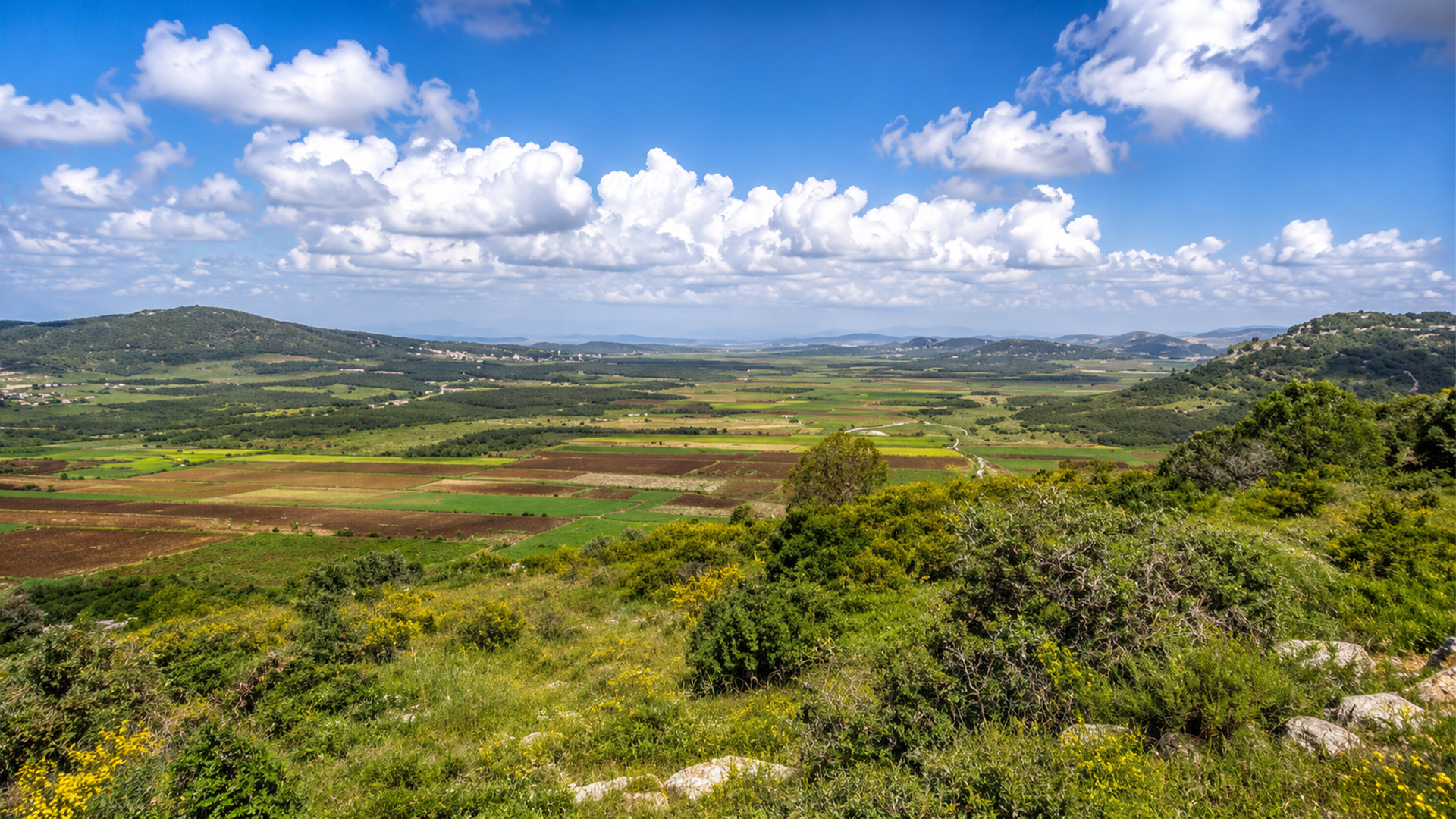
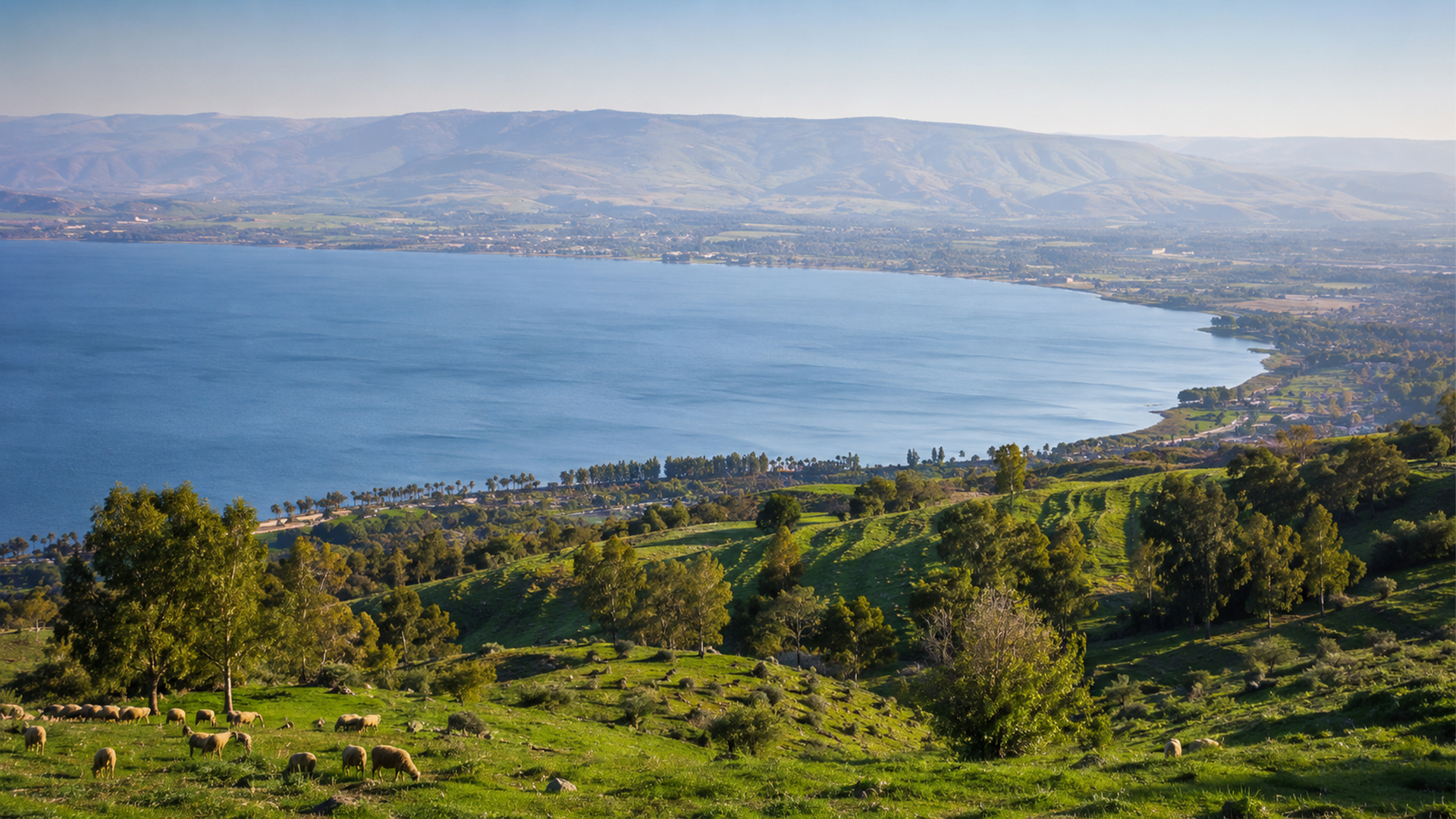
Unusual places in Israel reveal the country from an unexpected side. In one holiday, you can see white sea grottoes, ancient underground cities, desert craters, stalactite caves, oases near the Dead Sea and the coral reef of the Red Sea. Israel is small in size, but extremely rich in landscapes. That is why travel here often feels like a change of scenery: in the morning, sea and cliffs; by day, desert; in the evening, cool mountain air or a green valley.
This article is not about the most obvious attractions, but about places where nature, geology and history create a special impression. Many of them can work well for a family trip, a beautiful walk, a photo route or a calm introduction to the country. The main thing is to check opening hours, seasonality and visiting conditions in advance, especially when national parks and nature reserves are involved.
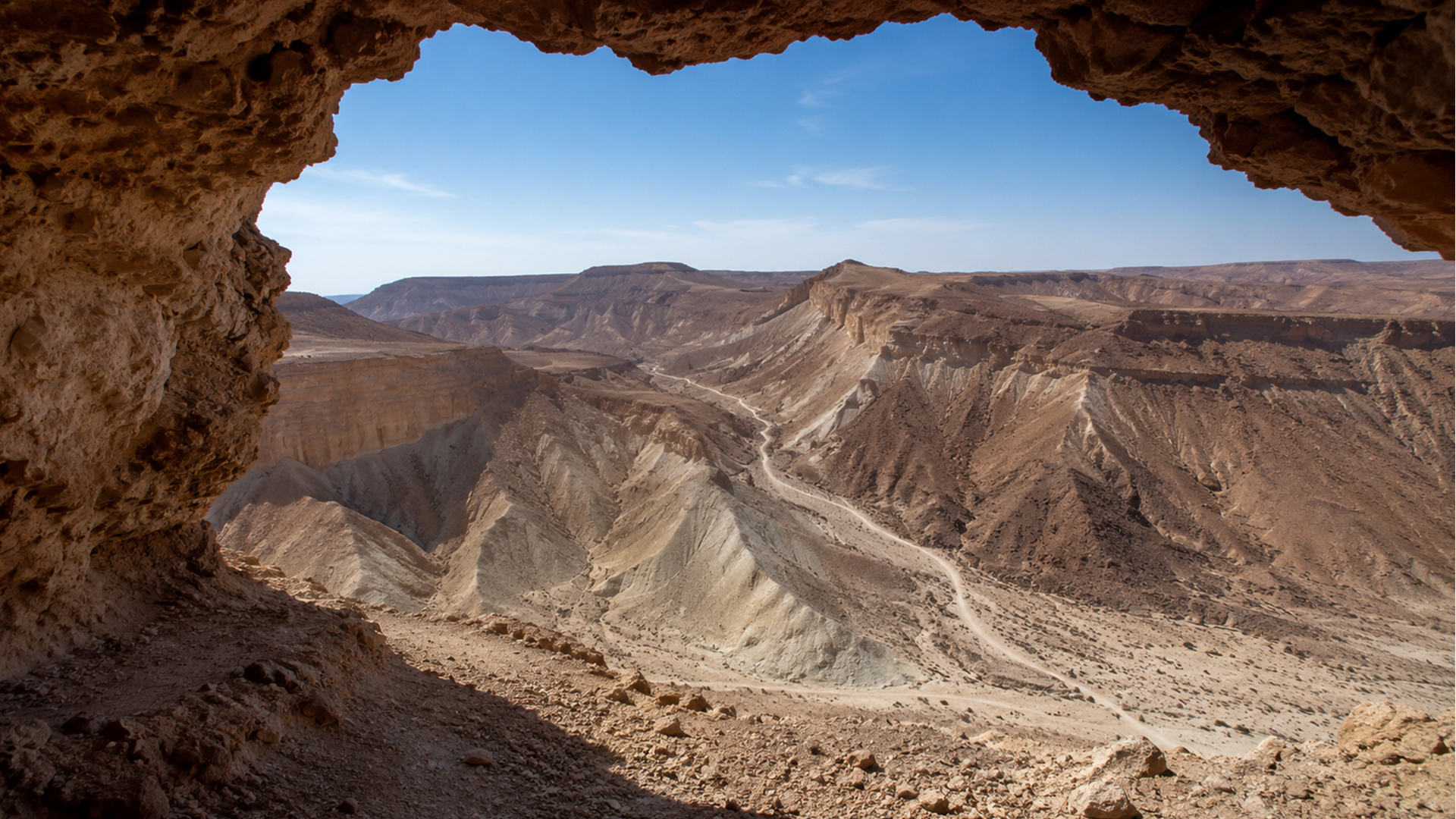
Unusual places in Israel created by nature
The first place worth including in a route like this is Ramon Crater in the Negev. In Russian it is often called a crater, but it is not the result of a meteor impact and not a volcanic opening. More accurately, it is a makhtesh, a rare geological form created by erosion. Makhtesh Ramon is considered the largest and most impressive in Israel. It is about 40 kilometers long, and the view from the edge of the plateau in Mitzpe Ramon leaves a strong impression even on those who have already seen deserts in other countries.
Here, the age of the landscape is especially easy to feel. Layers of rock, dry streambeds, stone walls and the wide desert space remind you that nature works slowly, but with remarkable precision. Ramon Crater is not only for hiking routes. You can see it from lookout points, combine it with a trip through the Negev, stop in Mitzpe Ramon and stay overnight near the desert.
Another surprising place in the north of the country is Rosh HaNikra. These are white cliffs by the Mediterranean Sea, where waves and water have formed sea grottoes. Inside, you hear the sound of the sea, light reflects from the water, and the white walls create an almost unreal landscape. Rosh HaNikra looks especially beautiful in clear weather, when the sea becomes bright blue and the cliffs seem even lighter.
Underground cities, caves and hidden history
When speaking about unusual places in Israel with a historical character, Beit Guvrin and Maresha hold a special place. This area is known for its large system of underground spaces carved into soft chalk rock. UNESCO describes thousands of underground chambers here, connected with the ancient cities of Maresha and Beit Guvrin. In different periods, these caves were used for practical needs, storage, crafts, burials and quarrying stone.
The main beauty of Beit Guvrin is that history here does not feel distant or abstract. The visitor literally goes down into the earth and sees how people adapted the landscape for life. The bell caves impress with their height and shape, while the soft light inside makes them feel almost like natural cathedrals. This place is a good choice for those who want to show children archaeology not through a museum display, but through a living space.
Avshalom Cave, also known as Soreq Stalactite Cave, opens a completely different type of beauty. This is not an ancient city, but a natural cave with a rich world of stalactites and stalagmites. These formations appear very slowly, as water leaves mineral deposits drop by drop. Inside the cave, you can clearly see how time turns into form: thin stone curtains, columns, arches and delicate lines create an almost fantastic atmosphere.
Top places for an unusual trip in Israel
| Place | Where it is located | Why it is unusual | Who it may suit |
|---|---|---|---|
| Ramon Crater | Negev, Mitzpe Ramon area | A huge makhtesh created by erosion, with desert views and layers of ancient rock | For lovers of desert, geology, lookout points and silence |
| Rosh HaNikra | Northern coast of Israel | White cliffs and sea grottoes formed by water and waves | For a beautiful walk by the sea and a photo route |
| Beit Guvrin and Maresha | Judean Lowlands | Underground chambers, ancient caves and a UNESCO site | For those interested in history, archaeology and unusual spaces |
| Avshalom Cave | Beit Shemesh area | Stalactites and stalagmites created by natural processes | For a calm family trip and an introduction to underground nature |
| Timna Park | Southern Israel, Eilat area | Red rocks, Solomon’s Pillars and ancient copper mines | For desert landscapes, history and vivid natural forms |
Unusual places in Israel among desert, water and stone
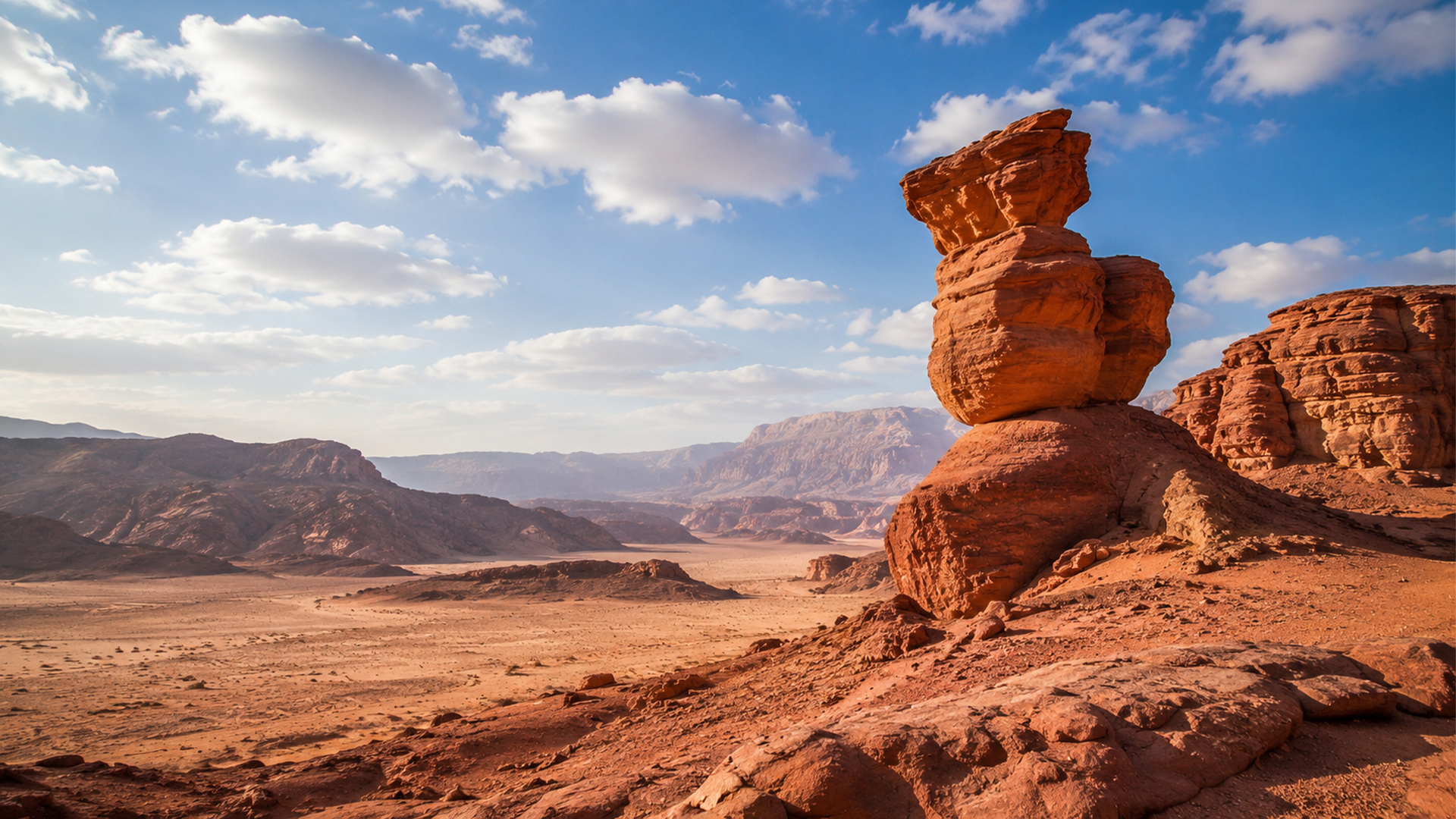
Timna Park near Eilat shows especially well how beautiful desert stone can be. Here you can find Solomon’s Pillars, natural arches, red rocks and ancient copper mining sites. The Timna area is connected with one of the important stories of ancient metal production in the region. Copper was a valuable material for tools, weapons, jewelry and ritual objects, so the desert landscape here is connected not only with nature, but also with the history of technology.
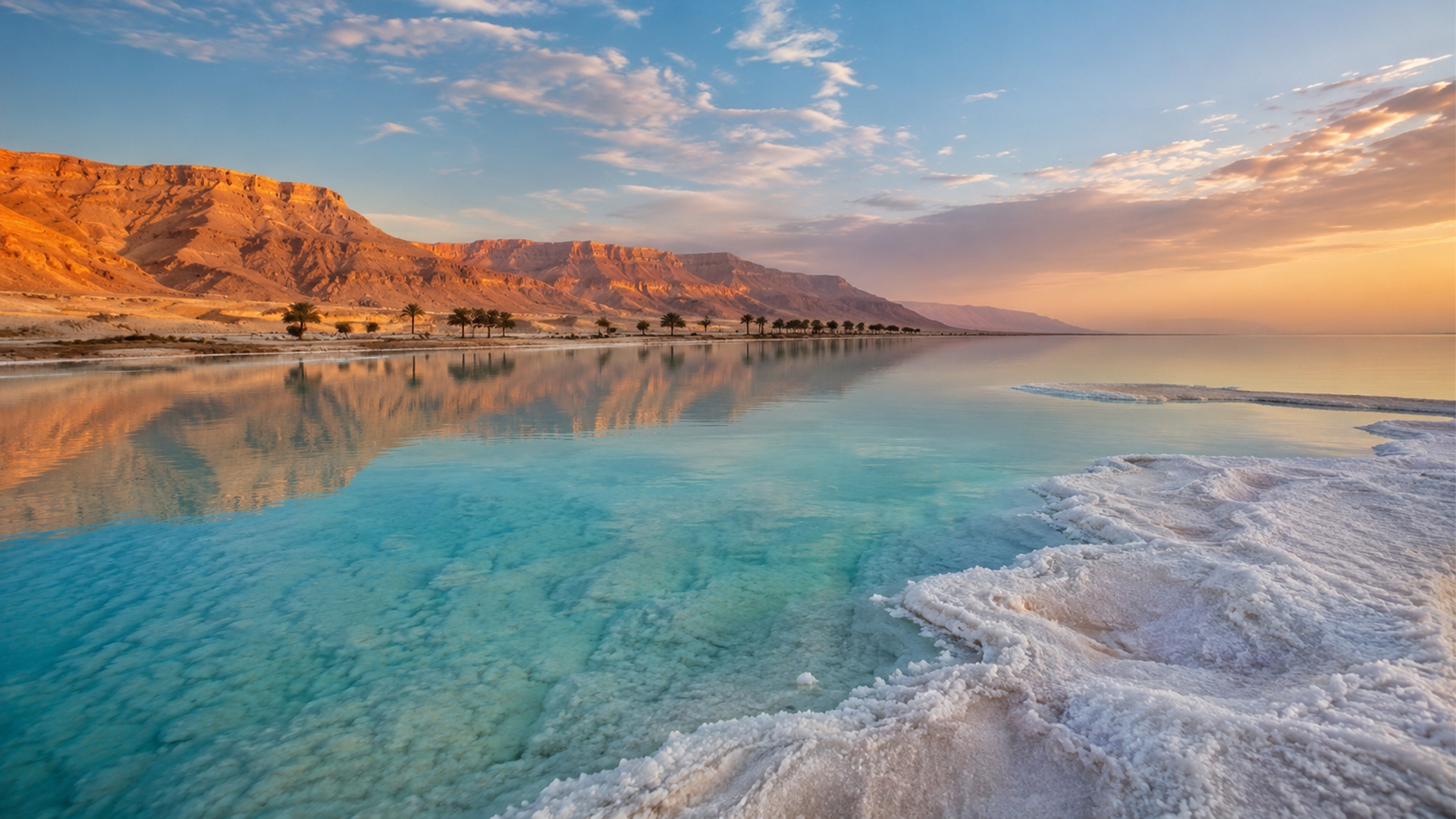
Ein Gedi by the Dead Sea gives a completely different feeling. Among the dry slopes of the Judean Desert, streams, waterfalls, greenery and animals appear. This is an oasis where the value of water is felt especially strongly. In one route, you can see the stone walls of the desert, vegetation, the coolness of springs and a view toward the Dead Sea. Such contrasts make unusual places in Israel not just beautiful, but emotional: they surprise not through scale, but through a sharp change in feeling.
At the very south of the country, there is another place worth adding to the list: Eilat’s Coral Beach. It is Israel’s only coral reef. For travelers, it is interesting because it opens the underwater side of the country: corals, fish, clear Red Sea water and the sense that the desert ends right beside a living marine world. Here, it is important to follow the reserve rules, not touch the corals and treat the marine environment with care.
How to choose an unusual place for your travel style
| Trip format | Best choice | Why |
|---|---|---|
| For beautiful photos | Rosh HaNikra, Ramon Crater, Timna | Strong colors, expressive forms and open views |
| For a trip with children | Avshalom Cave, Beit Guvrin, Rosh HaNikra | Clear routes, a vivid impression and educational interest |
| For natural contrast | Ein Gedi, Eilat Coral Beach | An oasis in the desert and the underwater world of the Red Sea |
| For history and archaeology | Beit Guvrin, Timna Park | Ancient caves, underground spaces and traces of copper mining |
| For a desert atmosphere | Ramon Crater, Timna, the Eilat Mountains | Silence, stone, light and a sense of great space |
When to plan the route
Many unusual places in Israel are best visited in spring, autumn or winter. Desert routes in the Negev, Timna and the Dead Sea area are especially pleasant in the cooler months, when it is easier to walk and spend more time in open sun. In summer, such trips require caution: it is better to choose early morning, short routes, shaded sections and always bring water.
Caves and grottoes can be visited in different seasons, but it is always worth checking opening hours in advance. National parks may have restrictions related to weather, holidays, route load and the need for advance reservation. For Rosh HaNikra, the weather by the sea is especially important, because the light, the color of the water and the condition of the waves strongly shape the impression of the place.
Why unusual places in Israel stay in memory for a long time
The most interesting routes often stay in memory not because of the number of stops, but because of the feeling of discovery. In Israel, these discoveries can be very different: entering the white cave of Beit Guvrin, hearing the sea inside the grottoes of Rosh HaNikra, seeing the desert bowl of Ramon Crater, walking among the red rocks of Timna or standing by water in Ein Gedi while the dry slopes of the Judean Desert rise around you.
This is exactly why unusual places in Israel work so well for Nativa routes. They help you see the country more deeply, more calmly and with more attention. This is not just a list of attractions, but a chance to feel how sea and desert, ancient history and living nature, underground cities and open mountain horizons exist side by side.
Do not try to fit all unusual places in Israel into one day. It is better to choose one main direction and add one calm stop nearby. In the north, this could be Rosh HaNikra with a walk along the coast. In the south, Ramon Crater or Timna with an overnight stay near the desert. In the center and the Judean Lowlands, Beit Guvrin and Avshalom Cave. This way, the route will not feel overloaded, and the impressions will stay bright, complete and truly beautiful.
164 views