

Stalactite Caves in Israel: Soreq Cave and the Underground Beauty of the Judean Hills
Share this article with:
The underground beauty of the Judean Hills
Stalactite caves reveal Israel from an unexpected side. The country is usually imagined through the sea, the desert, ancient cities, markets and national parks. But near Beit Shemesh, on the western slopes of the Judean Hills, there is a place where the main presence is not the sun or the open landscape, but the quiet beneath the ground.
Soreq Cave, also known as Avshalom Cave or מערת הנטיפים, shows a rare natural beauty created by water, stone and time. It is the main place in Israel where visitors come to see stalactites and stalagmites inside an organized nature reserve.
Here, there is no need to search for dozens of similar locations. The value of the route lies precisely in the fact that Soreq Cave allows you to see Israel’s underground world up close, calmly and safely. In this article, we look at the cave itself, its story, its natural features, visiting rules and places that can be added to a trip nearby.
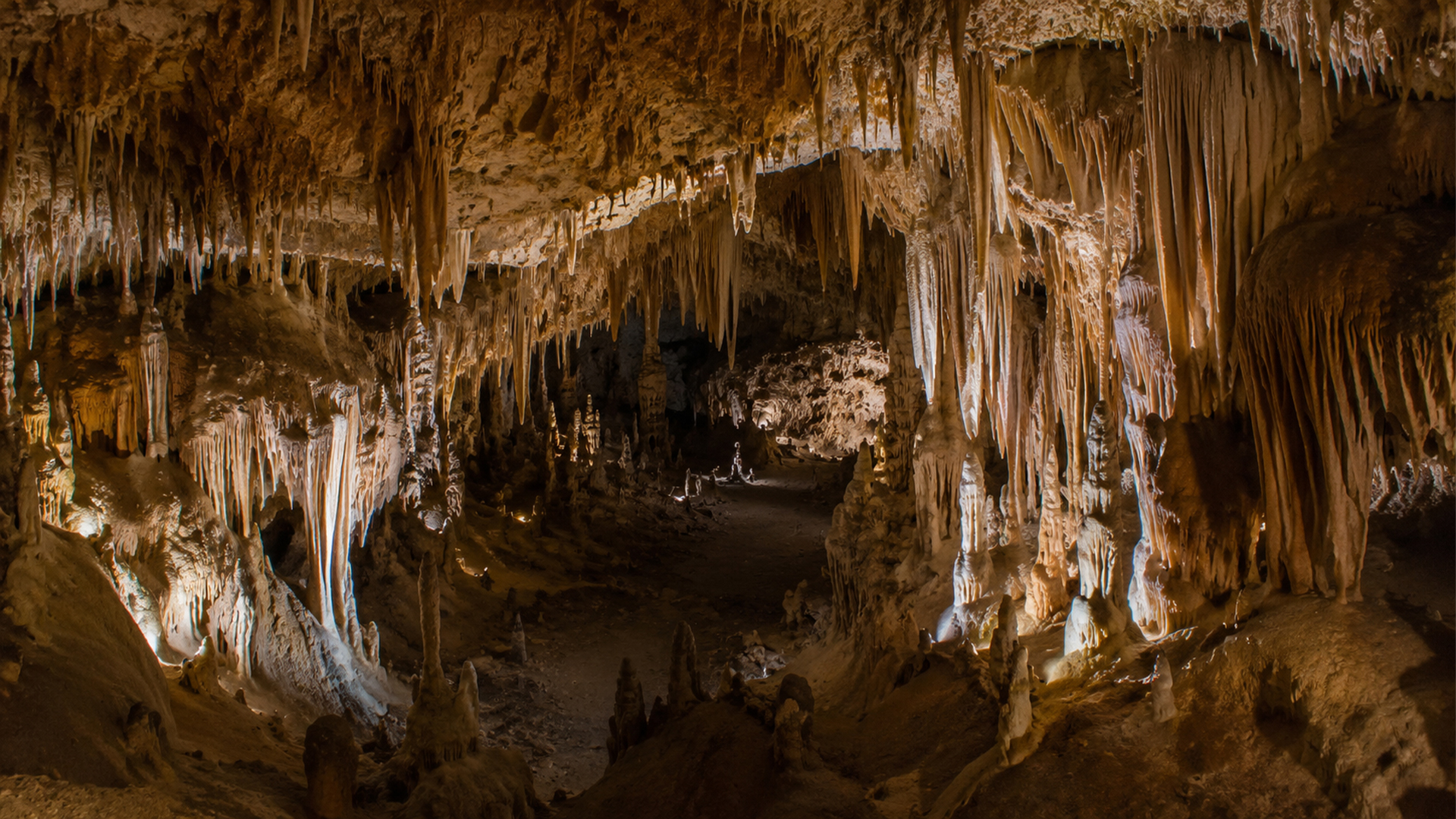
Stalactite caves: why the main one is Soreq Cave
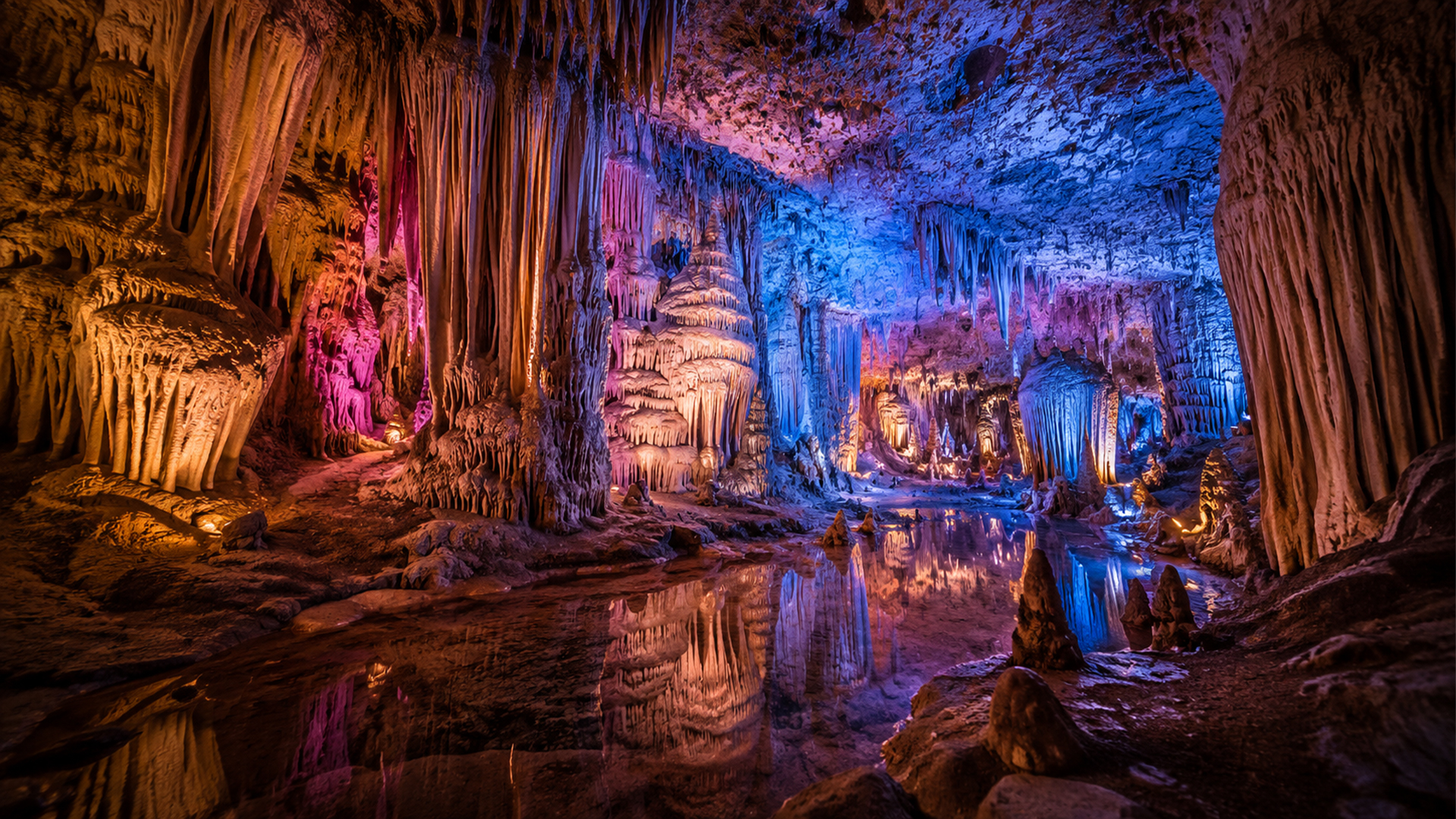
Soreq Cave is considered one of Israel’s most beautiful natural attractions. It is located south of the Soreq streambed, near the Judean Hills and not far from Beit Shemesh. Its other name, Avshalom Cave, is connected with the memory of Avshalom Shoham. For visitors, it is an organized nature reserve where you can follow a special route and see stalactites, stalagmites, columns and mineral formations under soft artificial lighting.
The story of the cave’s discovery sounds almost like the opening of an adventure story. In May 1968, during blasting work at the Hartuv quarry, a small cavity was discovered, revealing the entrance to a hidden underground world. Later, the area was protected, and in 1975 the cave was declared a nature reserve. Thanks to this, visitors can see the cave today while it remains a protected environment.
For anyone looking for caves in Israel, this place is especially important. It is not only beautiful, but also scientifically interesting: inside, you can see how Israel’s geology appears in tiny details, in drops of water, layers of calcite and forms that developed very slowly.
How water creates stalactites and stalagmites
The beauty of Soreq Cave is based on a simple but remarkable natural process. Rainwater passes through soil and rock, combines with carbon dioxide and becomes slightly acidic. This water gradually dissolves limestone or dolomite, enters cracks and widens them. Over time, this is how a cave space forms.
Then the process seems to change direction. When a drop enters the cave, part of the dissolved material is deposited as minerals. Stalactites grow downward from the ceiling. Stalagmites rise upward from the floor. Sometimes they meet and become a column. All of this happens very slowly, so each form inside the cave feels like a record of time, written not in letters, but in stone.
This is exactly why stalactite caves make such a strong impression. They do not overwhelm through scale like mountains or deserts, but they make you look more closely at details. Thin stone tubes, curtains, columns and flowing surfaces show how patiently nature works.
| What you can see | How it forms | Why it is interesting |
|---|---|---|
| Stalactites | Grow downward from mineral deposits on the ceiling | Show the slow work of drops of water |
| Stalagmites | Rise upward from the floor where drops fall | May eventually connect with stalactites |
| Columns | Form when a stalactite and a stalagmite meet | Create the feeling of an underground hall or natural cathedral |
| Stone curtains | Form when water flows along a sloping surface | Give the cave a soft, almost sculptural shape |
Avshalom Cave as a nature reserve
A visit to Avshalom Cave is different from an ordinary walk in a park. It is important to understand that you are entering a very sensitive natural environment. Inside the cave, special conditions are preserved: stable temperature, high humidity and fragile mineral formations. Even a touch by hand can damage a surface that formed over thousands of years.
That is why visitors should walk only along the marked route, avoid touching the formations, not eat inside, keep noise low and follow the rules of the reserve. This care does not make the visit less interesting. On the contrary, it helps you feel the value of the place. Stalactite caves ask for quiet and respect: the calmer you look, the more you notice.
How a visit to Soreq Cave works
Before the trip, it is worth checking opening hours, availability and visiting rules in advance. Usually, you need to arrive early enough to make your entry time. The descent and ascent include a significant number of steps, so comfortable shoes are recommended. This is also worth considering when traveling with small children, older visitors or anyone who finds stairs difficult.
The visit includes a film and an independent walk through the cave. This works well for those who want to move through the route calmly and look closely at the formations inside. Photography should be done carefully, without breaking the rules and without tripods. Inside, it is better not to rush: the artificial lighting helps reveal the relief, but the main beauty appears gradually, as the eye adjusts to the soft light and begins to notice details.
- Check opening hours and booking options before the trip.
- Choose comfortable closed shoes, as there are stairs.
- Do not touch stalactites and stalagmites with your hands.
- Do not plan the visit in a hurry. The cave suits a calm pace.
- After the visit, you can add a short route through the Judean Hills.
What to see near Soreq Cave
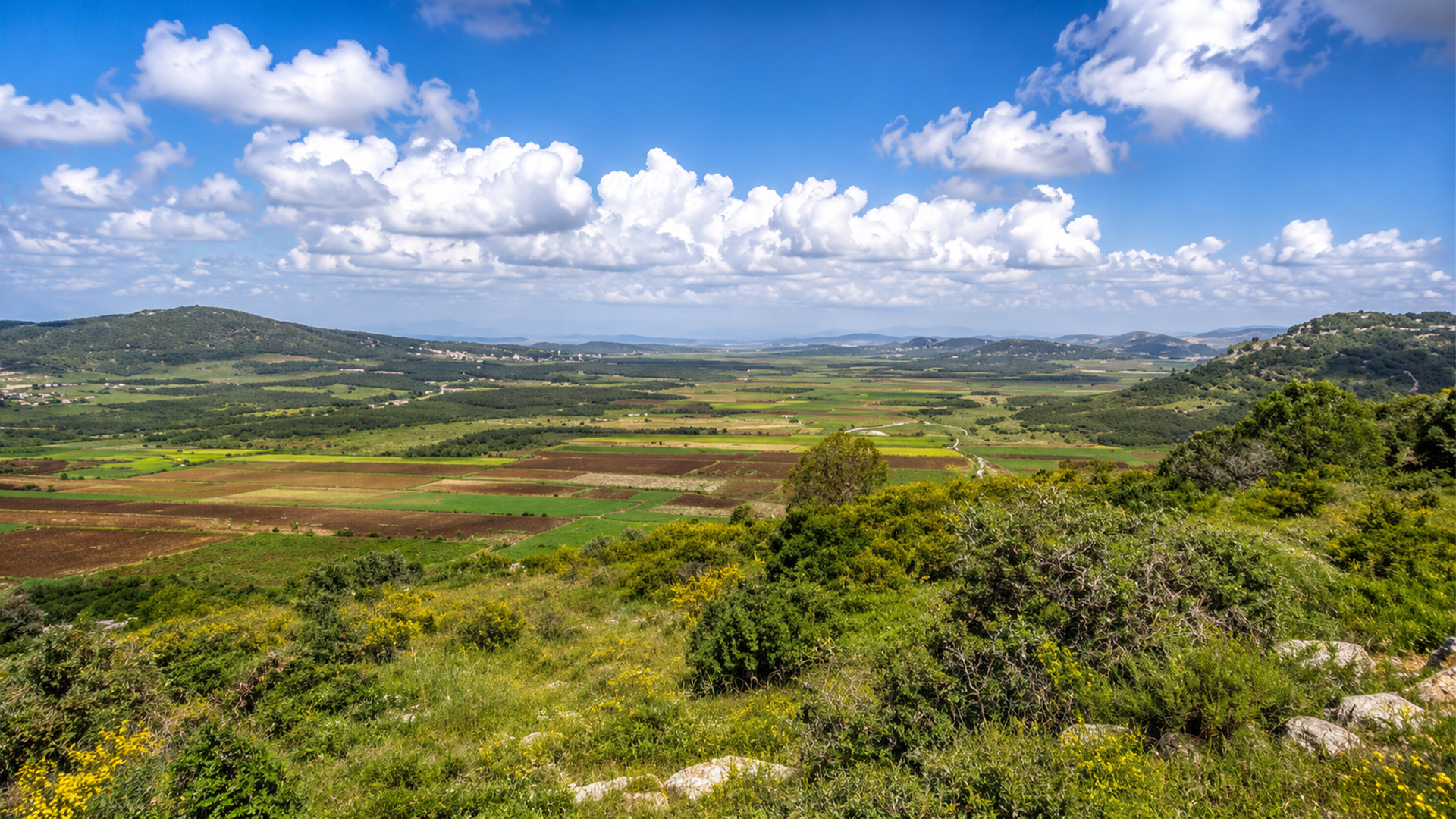
A trip to the cave is easy to combine with natural and historical places in the Jerusalem Hills area. If you want a calm walk, Ein Hemed can be considered, with greenery, water and remains of a Crusader structure. If you want to continue the theme of underground spaces, Beit Guvrin is an interesting option, with ancient caves and underground chambers. For a softer route, lookout points, forest roads and rest areas in the Judean Hills can work well.
This kind of route is especially pleasant because stalactite caves become not a single isolated point, but part of a beautiful day: underground nature, mountain air, greenery, archaeology and a calm road between the hills.
| Nearby place | Why add it | Trip format |
|---|---|---|
| Ein Hemed | Green park, water, trees and historical remains | Walk, picnic, calm stop |
| Beit Guvrin | Underground chambers, bell caves and ancient Maresha | History, archaeology, cave theme |
| Judean Hills | Forest roads, lookout points and a soft mountain landscape | Half-day nature route |
| Jerusalem | Can be combined with a wider cultural trip | City, history, evening walk |
When to include stalactite caves in your route
Soreq Cave can be visited in different seasons. In summer, it offers a pleasant chance to escape the heat into a cool underground space, although the road and walks around it are better planned with the sun in mind. In winter, the visit is also interesting: inside, the temperature remains stable, and after rain the nature around the Judean Hills can look especially fresh.
In spring, the area around the cave feels more alive thanks to flowering and mild weather. In autumn, it is pleasant to combine the visit with walks around Beit Shemesh or the Jerusalem Hills. At any time of year, it is best to check official information in advance, because visiting rules, availability and opening hours may change.
Why this place stays in memory
Stalactite caves remind us that natural beauty is not always found on the surface. Sometimes the strongest impression comes not from open views, but from an intimate space where silence, humid air and mineral forms make you slow down. Soreq Cave is not like the Negev Desert, the sea in Caesarea or the old streets of Jerusalem. It shows another rhythm of Israel, deep, quiet and almost hidden.
For Nativa, a place like this is especially valuable because it helps build an unusual but clear route. It brings together science, nature, the story of discovery, reserve protection and a convenient location near Jerusalem and the center of the country. That is why stalactite caves can fit both a family trip and a route for those who have already seen Israel’s main landmarks and want to discover something more delicate and unexpected.
When planning a trip to Soreq Cave, leave time not only for the entry itself, but also for the road through the Judean Hills. This is one of those routes where the mood is created by details: the view on the way to the reserve, the changing light before the entrance, the cool air inside and a calm walk after the visit. If you are traveling with children, tell them in advance how stalactites differ from stalagmites. Then the visit becomes not just a beautiful stop, but a small journey into the geology of Israel.
244 views